
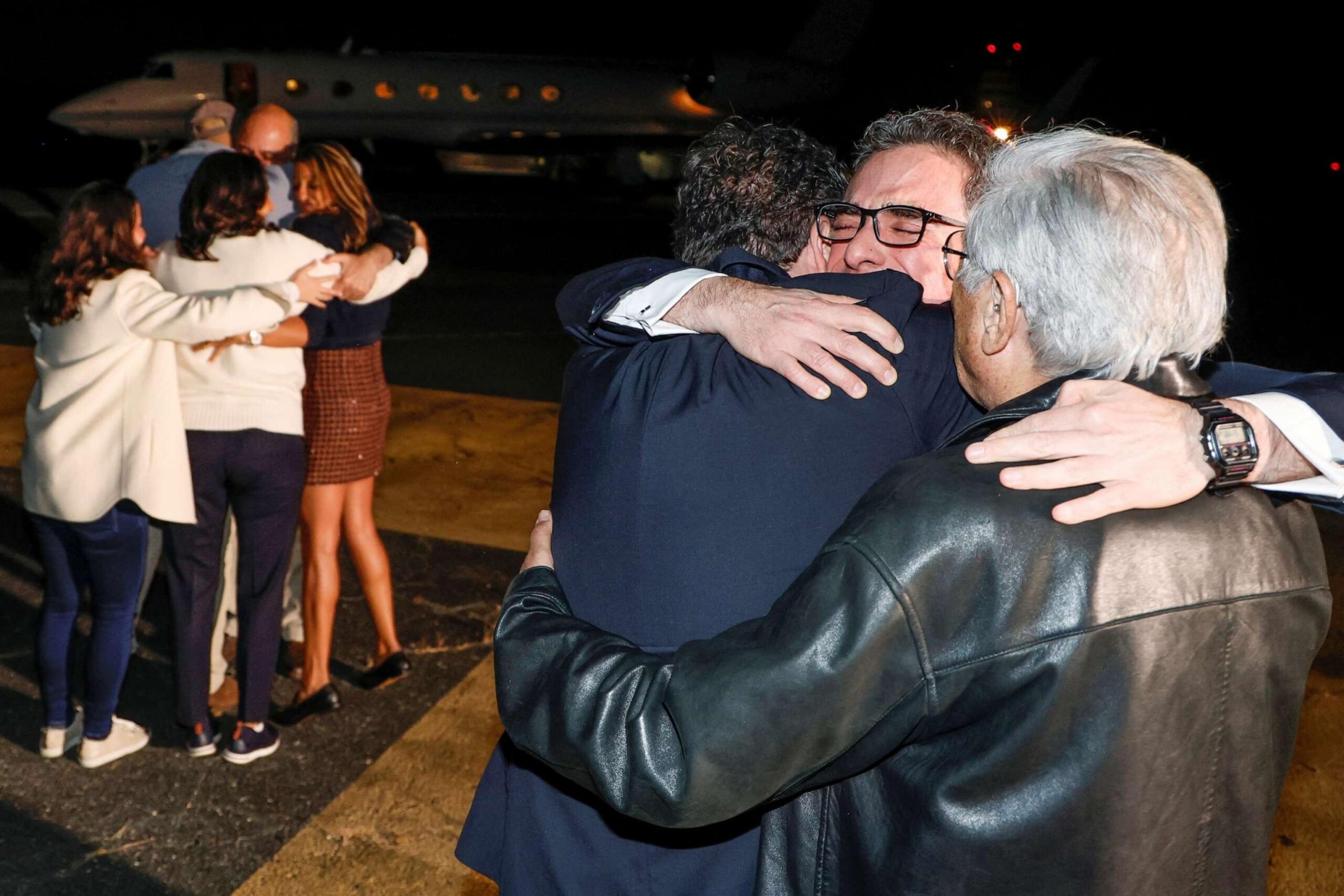
In a significant diplomatic development, ten Americans have been freed in a complex prisoner swap involving the United States, El Salvador, and Venezuela. This exchange marks a noteworthy moment in international relations and highlights the ongoing efforts by U.S. officials to negotiate the release of American citizens detained abroad. The release not only brings relief to families awaiting the return of their loved ones but also reflects the intricate web of geopolitical dynamics at play in the region. As tensions persist between the U.S. and Venezuela, and amidst a backdrop of strained relations in Central America, this successful negotiation underscores the critical importance of diplomacy in resolving humanitarian crises. This article delves into the details of the prisoner swap, the individuals involved, and the broader implications for U.S. foreign policy.
Prisoner Swap Reflects Evolving Diplomatic Relations Between the U.S., El Salvador, and Venezuela
The recent exchange that saw ten Americans returned home marks a significant pivot in the often tumultuous diplomatic landscape of the Western Hemisphere. In this instance, the willingness of the three nations to engage in dialogue underscores a potential thawing of relations, particularly between the U.S. and Venezuela. Historically characterized by mistrust and hostility, this prisoner swap may indicate a growing recognition of mutual interests and the importance of cooperation in the face of broader geopolitical challenges. Key points of interest include:
- Enhanced Communication: High-level discussions have led to an unprecedented level of engagement.
- Regional Stability: Aiding in the reduction of tensions may contribute to overall stability in Central America.
- Focus on Humanitarian Efforts: This swap could pave the way for future humanitarian exchanges and collaborations.
Moreover, this development highlights El Salvador’s strategic role as a mediator in a region fraught with political unrest. By facilitating the exchange, El Salvador positions itself as a crucial player in fostering dialogues that could lead to a more collaborative regional approach. As both the U.S. and Venezuela navigate the complexities of their bilateral relationships, El Salvador may find new opportunities for partnership, taking advantage of its unique position. Consideration should be given to:
| Country | Current Diplomatic Stance | Potential Benefits |
|---|---|---|
| United States | Seeking cooperative diplomacy | Enhanced regional security |
| El Salvador | Mediator and facilitator | Increased international presence |
| Venezuela | Willing to engage | Improved economic ties |
Analyzing the Impact of the Release on American-Venezuelan Relations and Regional Stability
The recent agreement that facilitated the release of ten Americans in a prisoner swap with El Salvador and Venezuela marks a significant development in the intricate web of American-Venezuelan relations. This transaction not only highlights the complexities of diplomatic negotiations involving multiple nations but also underscores the shifting power dynamics in the region. Analysts suggest that this exchange could serve as a potential thawing of relations, offering a glimpse into the possibility of constructive engagement between the U.S. and Venezuela, a nation often at odds with American interests in Latin America. Factors that may contribute to this evolving relationship include:
- Increased diplomatic channels: The swap may pave the way for more formal discussions regarding mutual interests.
- Regional alliances: The involvement of El Salvador indicates shifting allegiances and a more collaborative approach to regional security.
- Humanitarian considerations: The release emphasizes a growing trend where humanitarian efforts intersect with political will, potentially softening hardline stances.
On a broader level, the exchange could have ripple effects beyond bilateral relations. With ongoing political turmoil in Venezuela and economic crises affecting various Latin American nations, any improvement in U.S.-Venezuelan interaction might influence regional stability. The international community is observing to see how this development will impact the behavior of other countries in the region. Several key aspects warrant attention, including:
| Aspect | Potential Impact |
|---|---|
| Diplomatic Engagement | Could foster more peaceful resolutions to long-standing conflicts. |
| Economic Cooperation | Possible stimulus to trade and investment opportunities. |
| Regional Response | May prompt neighboring countries to reconsider their relations with both the U.S. and Venezuela. |
Recommendations for Enhancing Future Negotiations in Hostage Situations and Diplomatic Exchanges
In light of the recent prisoner exchange involving the United States, El Salvador, and Venezuela, there is a pressing need to reconsider the strategies employed in similar situations. Successful future negotiations could benefit from adopting a more collaborative approach that emphasizes open dialogue. Key recommendations include:
- Establishing Clear Communication Channels: Consistent and transparent communication between negotiating parties can reduce misunderstandings and build trust.
- Engaging Third-Party Mediators: Utilizing neutral mediators with experience in high-stakes negotiations can provide fresh perspectives and facilitate constructive discussions.
- Incorporating Diverse Cultural Understandings: Recognizing and respecting cultural differences can enhance the effectiveness of negotiations, making it easier to identify common ground.
Additionally, leveraging technology for real-time information sharing during negotiations could streamline processes and enhance decision-making efficiency. This approach might include:
| Technology Use | Benefits |
|---|---|
| Secure Communication Platforms | Ensures confidentiality and reduces risks of leaks. |
| Data Analytics Tools | Helps in assessing negotiation outcomes and strategizing next moves. |
| Virtual Reality Simulations | Allows negotiators to practice and prepare for various scenarios. |
Concluding Remarks
In conclusion, the successful negotiation and subsequent release of 10 Americans in a prisoner swap involving the United States, El Salvador, and Venezuela marks a significant development in diplomatic relations and human rights advocacy. This event not only underscores the complexities surrounding international negotiations but also highlights the ongoing challenges faced by those wrongfully detained abroad. As families across the nation reunite with their loved ones, this incident serves as a reminder of the importance of continued engagement and dialogue among nations to ensure the safety and well-being of their citizens. With calls for reforms and improved treatment of detainees, the hope remains that further diplomatic efforts will lead to more positive outcomes in the future. For ongoing updates and in-depth analysis, stay tuned to CBS News.











