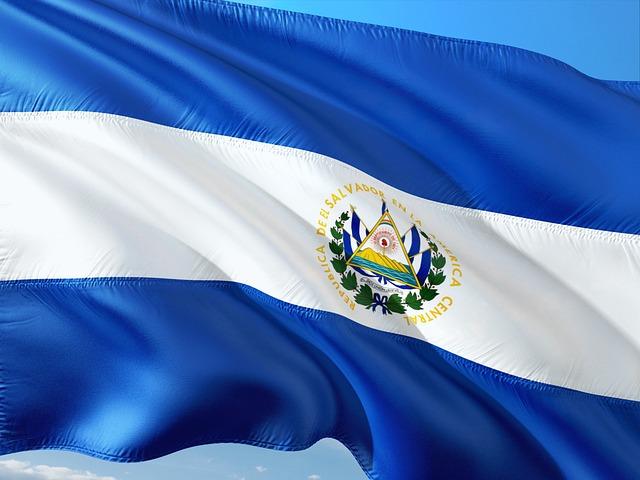
In recent developments highlighting the ongoing struggle against organized crime in Central America, a prison in El Salvador has come under intense scrutiny following allegations of severe human rights abuses against detainees identified as members of a Venezuelan gang. As the Salvadoran government intensifies its crackdown on gang activity, reports from human rights organizations and former inmates have raised alarming concerns over conditions within the facility, sparking a fierce debate on the balance between public safety and the protection of individual rights. This troubling situation sheds light on the broader implications of the region’s battle against violent crime, inviting scrutiny of the methods employed by authorities and the international community’s response to such allegations.
Concerns Over Human Rights Abuses in El Salvador’s Prisons Housing Venezuelan Gang Members
Concerns have surged regarding the conditions within El Salvador’s prison system, specifically in facilities housing individuals linked to Venezuelan gangs. Reports have emerged detailing harsh treatment, including overcrowding, insufficient medical care, and limited access to legal representation. Human rights organizations have voiced their alarm over the potential systematic abuse faced by these inmates. Allegations suggest that prisoners endure physical violence from guards and inadequate sanitation, raising serious questions about the overall efficacy and morality of the country’s incarceration policies.
The Salvadoran government’s approach to crime, particularly gang-related activities, has led to an unprecedented wave of mass incarcerations, with many detainees reportedly held without trial. This has led to a significant number of Venezuelan nationals being swept up in the crackdown, with human rights observers emphasizing that the state must ensure due process and fair treatment regardless of nationality. Critics argue that imprisoning individuals under such dire conditions not only perpetuates a cycle of violence but also tarnishes El Salvador’s international reputation.
Investigating Allegations of Torture and Inhumane Treatment in Custody
Recent investigations have surfaced alarming accounts of alleged torture and inhumane treatment within the confines of a notorious prison in El Salvador, where numerous Venezuelan nationals have been detained on accusations of gang affiliation. Human rights organizations, alongside local advocates, have raised serious concerns regarding the treatment of inmates, claiming that they have been subjected to physical and psychological abuse that contravenes international human rights standards. Reports indicate a pattern of practices that include:
- Excessive use of force during arrests and interrogations.
- Denial of medical care for injuries sustained in custody.
- Isolation in overcrowded cells without proper sanitation.
- Psychological torture, including threats and humiliation.
The government has defended its measures as necessary for combating rising gang violence, asserting that such allegations are exaggerated or unfounded. However, amid growing scrutiny, they face increasing pressure to investigate these claims transparently. A recent report outlined disturbing incidents of violence within the prison and highlighted the need for international oversight. In light of these serious allegations, a proposed framework for addressing human rights abuses could include:
| Action | Description |
|---|---|
| Independent Investigation | Allow international bodies to assess conditions and treatment within the facility. |
| Policy Reform | Implement new guidelines that align with international human rights frameworks. |
| Monitoring Mechanism | Establish ongoing oversight by NGOs and human rights organizations. |
Calls for International Oversight and Reforms in El Salvador’s Criminal Justice System
The recent unrest regarding the treatment of alleged Venezuelan gang members in El Salvador’s prison system has sparked urgent calls for international oversight and extensive reforms. Human rights advocates have raised alarms over reports of systemic abuses, including allegations of torture, overcrowding, and inadequate medical care for inmates. Human rights organizations argue that the current conditions violate international standards and have urged foreign governments and international bodies to take action. They recommend the establishment of independent monitoring mechanisms to ensure accountability and transparency within the justice system.
In response to these concerns, proposals for reform are gaining traction. Experts suggest the need for comprehensive strategies that not only address immediate violations but also aim to revamp the criminal justice framework in El Salvador. Key recommendations include:
- Strengthening legal protections for the accused
- Implementing training programs for law enforcement on human rights
- Enhancing rehabilitation programs for inmates
- Fostering community engagement in police reform initiatives
To facilitate these reforms, a collaborative approach involving local governments, human rights organizations, and international agencies is essential. Following a successful model of reforms from other nations facing similar challenges could provide El Salvador with a roadmap towards a more just and equitable criminal justice system.
Key Takeaways
In conclusion, the situation surrounding the El Salvador prison housing alleged Venezuelan gang members highlights ongoing concerns about human rights abuses and the treatment of detainees in the region. As international scrutiny intensifies, human rights organizations are calling for transparency and accountability from the Salvadoran government. The implications of these alleged abuses extend beyond the prison walls, raising questions about broader criminal justice practices and the treatment of vulnerable populations within the country. With the eyes of the world now focused on El Salvador, it remains to be seen how the government will respond to these serious allegations and what steps, if any, will be taken to ensure the protection of human rights for all individuals in custody. As this story develops, it underscores the critical need for vigilance and advocacy in the fight against injustice.