
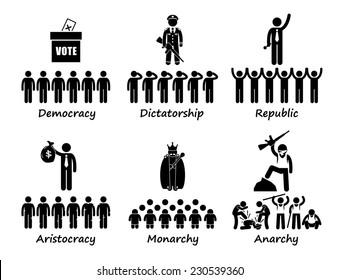
In the heart of Central America, El Salvador has witnessed a profound shift under President Nayib Bukele, who embarked on an ambitious journey of reform six years ago. Initially celebrated for his innovative approach and populist charisma, Bukele’s tenure has increasingly raised concerns among critics and human rights advocates. As authoritarian tendencies emerge and dissent is stifled, many Salvadorans find themselves questioning the democratic principles that once underpinned their nation. In this in-depth analysis, we uncover the implications of Bukele’s tightening grip on power, exploring the erosion of civil liberties and the growing sentiment among citizens that they are living under a dictatorship.
Rise of Authoritarianism in El Salvador Under Nayib Bukele
Six years into his presidency, Nayib Bukele’s administration has faced increasing accusations of authoritarianism, as critics argue that the democratic fabric of El Salvador is unraveling. The government’s actions have seemingly prioritized power consolidation over civil liberties, leading to an environment where dissent is discouraged. Notable instances include:
- Judicial Overhaul: Bukele has effectively reshaped the judiciary, appointing loyalists to key positions and undermining the independence of legal institutions.
- Censorship of Media: Reports indicate increasing pressure on journalists and media outlets, with instances of threatening rhetoric against those who criticize the government.
- Emergency Powers: Following a surge in gang violence, Bukele declared a state of emergency, granting authorities sweeping powers that critics fear could be exploited to stifle opposition.
International scrutiny has heightened, with various human rights organizations expressing concern over the erosion of freedoms in El Salvador. The recent push for a law that limits protest rights and the perceived politicization of public institutions have fueled the debate over Bukele’s governing style. As the line between governance and authoritarianism blurs, many citizens grapple with the implications of living under a regime where the rule of law is increasingly sidelined in favor of a centralized executive authority.
Impact on Civil Liberties and Democratic Institutions
The democratic landscape in El Salvador has undergone a significant transformation under Nayib Bukele’s administration, profoundly affecting civil liberties. Critics argue that the government’s increasing authoritarian tendencies have resulted in a crackdown on dissent. Journalists facing harassment, opposition leaders being sidelined, and a growing culture of fear inhibit meaningful discourse and public dissent. Additionally, the government’s use of emergency powers, ostensibly aimed at combating crime, has led to widespread detentions that circumvent due process, raising alarms among human rights organizations.
Furthermore, the erosion of democratic institutions has become evident with the manipulation of judicial processes. The government has taken decisive actions such as:
- Reforming the Constitutional Court: This has led to a more pliable judiciary that aligns with presidential directives.
- Controlling Electoral Bodies: Bukele’s administration has made moves to appoint loyalists within electoral commissions, threatening the integrity of future elections.
- Limiting Civil Society’s Role: New regulations target NGOs and advocacy groups, constraining their ability to function independently.
To illustrate this ongoing situation, the following table summarizes key events that highlight the shift in El Salvador’s governance:
| Date | Event | Impact |
|---|---|---|
| May 2021 | Removal of Constitutional Court judges | Strengthened presidential influence over judiciary |
| March 2022 | Emergency powers extended | Increased reports of human rights violations |
| July 2022 | Restrictions on NGOs enacted | Chilling effect on civil society engagement |
Recommendations for International Response and Support for Democracy
In light of the escalating authoritarianism in El Salvador under President Nayib Bukele, it is crucial for the international community to take proactive measures to uphold democratic values. Multilateral organizations and foreign governments should consider the following actions:
- Reinforcement of Diplomatic Pressure: Engage in dialogue with the Salvadoran government, emphasizing the importance of democratic norms and human rights.
- Targeted Sanctions: Implement targeted sanctions against officials complicit in undermining democratic institutions and rights abuses, thereby holding them accountable.
- Support Civil Society: Increase funding and resources for civil society organizations that promote democracy, freedom of expression, and human rights within El Salvador.
- Monitoring Mechanisms: Establish independent monitoring bodies to oversee elections and governmental actions, ensuring transparency and fair play.
Additionally, establishing a global coalition focused on defending democracy can amplify these efforts. This coalition would consist of nations committed to democratic governance and could aim to:
| Action | Objective |
|---|---|
| Information Campaigns | Raise awareness about the erosion of democracy in Salvador through international media outlets. |
| Partnerships with NGOs | Collaborate with local and international NGOs to promote democratic engagement and voter education. |
| Educational Exchanges | Encourage exchanges that build capacity in democratic governance and civic participation. |
Future Outlook
As El Salvador marks six years under Nayib Bukele’s presidency, the debate over the state of democracy in the country intensifies. Critics argue that his growing authoritarianism poses significant threats to civil liberties and democratic institutions, while supporters praise his bold reforms and efforts to combat crime. The consolidation of power evidenced in recent months raises critical questions not only about the future of governance in El Salvador but also about the broader implications for democracy in the region. As the country navigates this complex political landscape, the international community watches closely, aware that the actions taken today will shape the trajectory of El Salvador’s governance and its citizens’ rights for years to come. The unfolding situation underscores the vital importance of upholding democratic values in a world where such principles are increasingly under threat.











