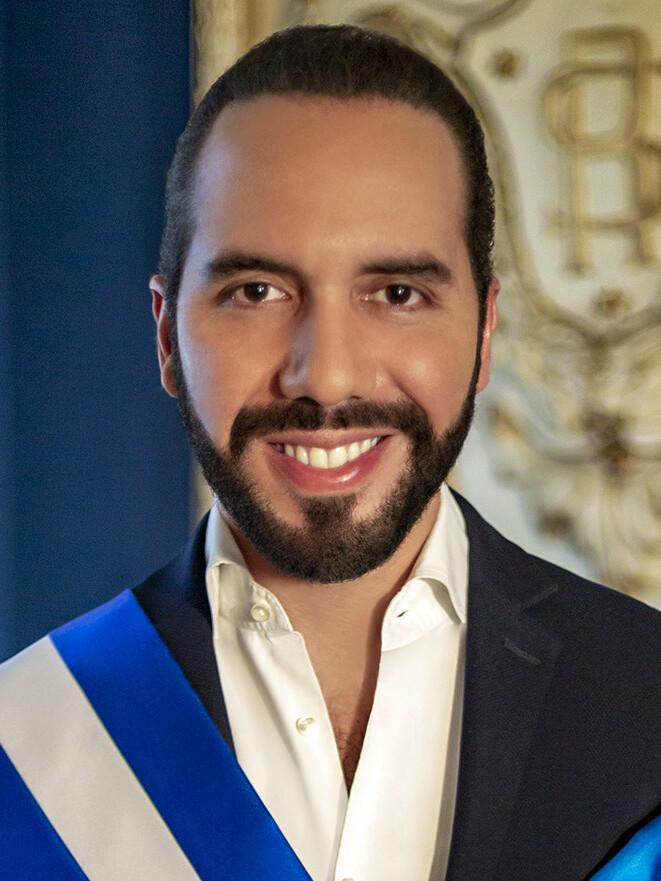
In a significant turn of events in Central American politics, Nayib Bukele, the dynamic president of El Salvador, appears poised to extend his stay in power indefinitely, raising alarms among critics who fear the erosion of democratic norms. Following a contentious Supreme Court ruling that allows him to run for re-election, Bukele’s aspirations for a potential life presidency reflect a growing trend of authoritarianism in the region. As he consolidates his grip on power, the implications of his leadership style resonate far beyond El Salvador’s borders, prompting a deeper examination of the challenges facing democracy in the Americas. This article delves into the political maneuvers that have paved the way for Bukele’s unprecedented bid for perpetual governance and the potential consequences for the nation and its citizens.
Nayib Bukele’s Legal Maneuvers and the Future of Democratic Governance in El Salvador
Nayib Bukele’s recent legal maneuvers have significantly reshaped the political landscape of El Salvador, raising critical questions about the viability of democratic governance in the country. His administration has cleverly leveraged judicial reforms and constitutional interpretations to consolidate power, enabling a pathway that could allow him to remain in office indefinitely. This strategic approach has included:
- Judicial Appointments: Bukele has appointed judges known for their loyalty, undermining the independence of the judiciary.
- Constitutional Reinterpretation: His supporters argue that various constitutional amendments allow for extended presidential terms.
- Control Over Legislative Processes: The ruling party’s overwhelming majority has facilitated the swift passage of laws beneficial to Bukele.
As Bukele exerts more control over state mechanisms, the implications for civil liberties and political pluralism become increasingly alarming. His strategy appears designed to stifle dissent and ensure that opposition voices are marginalized. Observers have noted that the regions experiencing the most significant pushback against his policies include:
- Anti-Corruption Campaigns: Efforts aimed at combating corruption are being undermined, raising concerns over accountability.
- Media Suppression: Journalists reporting on government shortcomings face intimidation and harassment.
- Human Rights Issues: Policies perceived as oppressive towards dissenters threaten to destabilize societal harmony.
Analyzing the Implications of Authoritarianism in Central America
The recent developments surrounding President Nayib Bukele’s potential for indefinite rule have raised critical questions about the future of democratic governance in El Salvador and the broader implications for Central America. Bukele, who first assumed office in 2019, has demonstrated a penchant for consolidating power and sidelining institutions traditionally seen as checks on presidential authority. His administration has employed tactics such as suppressing dissent, reforming the judiciary, and manipulating electoral processes, effectively paving the way for what many critics label as a slide into authoritarianism. This trend poses significant risks not just for El Salvador, but also for neighboring countries where similar power dynamics are in play.
The ramifications of Bukele’s maneuvers extend beyond national borders, as Central America grapples with issues of corruption, violence, and political instability. As authoritarian leaders gain prominence, the region faces the threat of increased repression and diminished civil liberties. The following factors contribute to the precarious situation:
- Erosion of Judicial Independence: Attempts to undermine the rule of law challenge democratic norms.
- Media Suppression: Attacks on press freedom inhibit the public’s right to information.
- Voter Disenfranchisement: Corrupt electoral practices threaten the integrity of democratic processes.
As Bukele navigates the complexities of his presidency, the international community watches closely. Should he successfully alter constitutional provisions to extend his term, it could spark a regional narrative that emboldens other leaders with authoritarian inclinations. In this context, the significance of El Salvador’s trajectory becomes a critical touchstone for understanding the stability and democratic prospects of Central America as a whole.
Strategies for Strengthening Democratic Institutions Amidst Rising Autocracy
In an era where democratic norms are increasingly under threat, particularly from leaders like Nayib Bukele in El Salvador, it becomes imperative to reinforce the institutions that uphold democratic governance. Strengthening the rule of law is critical; this includes enhancing judicial independence, ensuring accountability, and guarding against the politicization of courts. Furthermore, empowering civil society organizations plays a vital role in monitoring government actions and mobilizing public opinion against attempts to undermine democratic structures. Civil engagement brings transparency to governance, making it more difficult for autocratic tendencies to flourish.
Another essential strategy is to promote electoral integrity and competitive political processes. This can be achieved by adopting reforms that facilitate fair and open elections, such as implementing independent electoral commissions, ensuring access to voting for all citizens, and leveraging technology to safeguard electoral processes. Additionally, fostering media plurality and protecting journalists are crucial steps in safeguarding freedom of expression, which serves as a bulwark against propaganda and misinformation. By cultivating these democratic practices, countries facing the risk of autocracy can create a resilient political landscape capable of withstanding authoritarian pressures.
To Conclude
In conclusion, Nayib Bukele’s recent political maneuvers cast a long shadow over the future of democracy in El Salvador. As he positions himself for a potential indefinite rule, the implications of his administration’s actions extend far beyond the borders of the nation. While his supporters hail him as a transformative leader, critics warn of authoritarianism creeping into the heart of Salvadoran governance. The unfolding situation raises crucial questions about the balance of power, the will of the electorate, and the resilience of democratic institutions in Central America. As Bukele’s presidency continues to evolve, both domestic and international observers will be closely monitoring developments in El Salvador, a nation at a critical juncture in its political history.