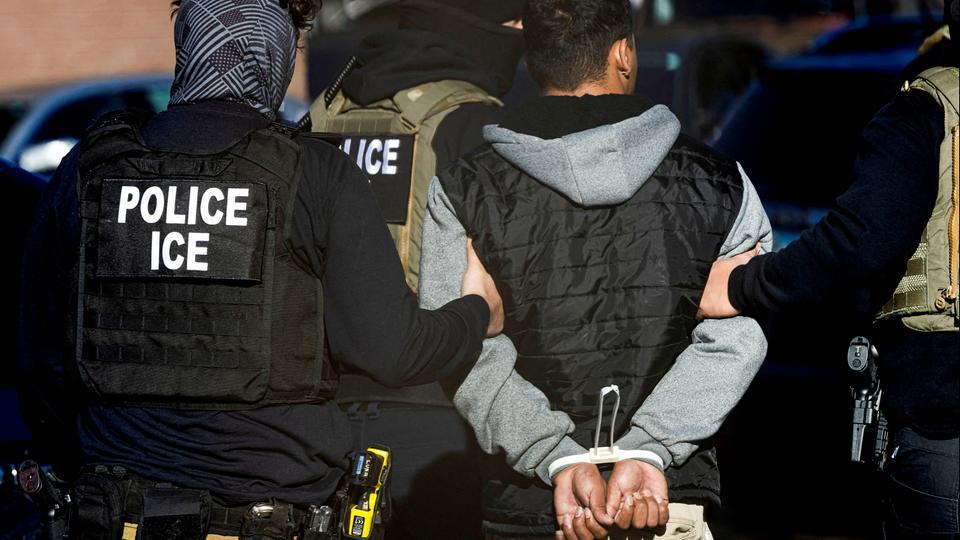
Controversial Deportations: A Deep Dive into U.S. Actions and Their Consequences
In a contentious decision that raises significant legal and ethical concerns, the United States has deported 250 individuals accused of gang affiliation back to El Salvador, disregarding a recent judicial ruling that temporarily halted such actions. This move has sparked widespread concern regarding the safety of those being sent back and the potential fallout for El Salvador, which is already struggling with severe gang-related violence and instability. The situation underscores the ongoing conflict between immigration enforcement policies and judicial oversight, prompting advocates to express their worries about how these deportations will affect communities in both nations. This article explores the ramifications of these U.S. actions within the broader context of immigration policy and justice in Central America.
Legal and Ethical Dilemmas in U.S. Deportation Practices
The recent expulsion of 250 alleged gang members has ignited intense debate surrounding the legality and morality behind such government actions by the United States. Despite a court ruling aimed at suspending these flights, authorities chose to continue with their controversial practices, prioritizing public safety over judicial directives. Critics argue that this approach disproportionately impacts vulnerable populations while neglecting complex socio-economic factors contributing to gang violence in Central America.
This situation raises critical questions about executive authority versus judicial power concerning immigration enforcement—especially when individuals may be fleeing from violence or persecution themselves.
Key concerns raised by opponents include:
- Lack of Due Process: Many deportees may not have received adequate legal representation or had opportunities to contest their deportation orders.
- Human Rights Concerns: Critics highlight potential dangers awaiting returnees in El Salvador—a nation plagued by high murder rates and pervasive gang-related violence.
- Family Disruption: The abrupt separation from families poses ethical challenges regarding its impact on children left behind.
Proponents argue that such deportations are essential for combating escalating gang activity within U.S borders, asserting that removing individuals linked with violent groups enhances community security while sending a strong message against gang involvement. However, this rationale often overlooks broader implications for international relations as well as migration trends—suggesting an ongoing need for dialog around these issues across various sectors.
Consequences for Community Stability and Crime Rates in El Salvador
The mass repatriation of alleged gang members back to El Salvador introduces complex social dynamics exacerbating existing levels of violence throughout the country.The return of 250 individuals associated with gangs like MS-13 or Barrio 18 could substantially elevate crime rates.
The nation is already grappling with one of the highest homicide rates globally; thus, reintegrating these former members into communities can destabilize local environments further—frequently enough leading to territorial disputes or retaliatory acts among rival factions due to weakened local infrastructures unable effectively manage this influx.
This wave also threatens community stability overall.Sudden family separations coupled with neighborhood intimidation contribute towards societal fragility;
. Local organizations dedicated towards supporting at-risk youth may find their initiatives undermined by returning deportees who might re-engage in criminal activities instead seeking rehabilitation options available through community programs designed specifically for them.In turn,this cycle diminishes trust between residents & law enforcement agencies making it increasingly challenging reclaim any semblance safety.The repercussions extend beyond immediate crime statistics—they influence mental health outcomes,economic opportunities,and social cohesion within affected neighborhoods too!
Strategies for Addressing Gang Challenges Through Comprehensive Policy Reform
The recent expulsion highlights an urgent necessity for developing more nuanced strategies aimed at tackling both domestic & regional issues related directly tied up alongside combating persistent threats posed by organized crime networks operating across borders.A comprehensive framework should prioritize<strong collaboration among governmental entities,nongovernmental organizations,and grassroots leaders alike—to address root causes driving young people toward gangs while ensuring public safety remains intact!
- Pursuing Education & Job Training Initiatives:Create programs offering educational resources/job training opportunities targeting vulnerable youth can definitely help diminish allure surrounding joining gangs altogether!
- Cultivating Community Policing Efforts:Aiming build trust between police forces/community members fosters cooperation necessary gathering intelligence crucial fighting crime effectively!
- Mental Health Support Services Access:Providing counseling services assists those attempting break free from negative influences associated criminal lifestyles!
Moreover,it’s imperative reformulating immigration policies aligns seamlessly alongside aforementioned public safety measures so they adequately address migration patterns linked closely intertwined w/gang activity! Key components might encompass:
- Simplifying Asylum Processes:Ensuring timely assessments asylum claims provides immediate relief victims escaping violent circumstances home countries facing dire situations daily!
/* Add some WordPress related CSS styling */
ul {
margin-left: 20px;
list-style-type: disc;
}