
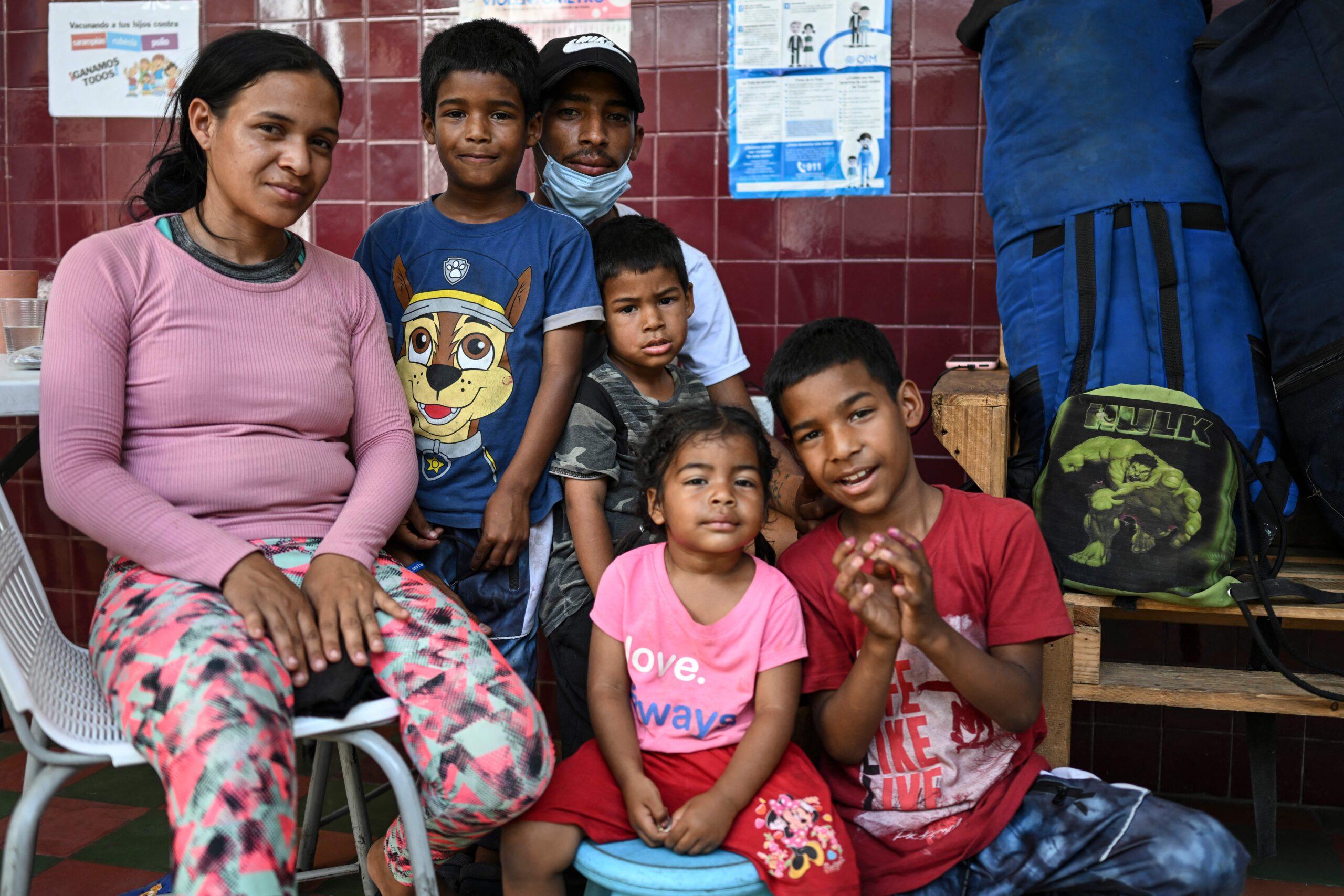
In the wake of controversial decisions surrounding immigration policies, a group of Venezuelan nationals is now seeking justice through legal avenues after being sent to an El Salvador prison under the Trump administration. This situation has ignited a legal firestorm, with these individuals asserting their rights were violated as they endured conditions in a facility marked by overcrowding and alleged mistreatment. Their claims bring to light the broader implications of U.S. immigration policies and raise urgent questions about the treatment of asylum seekers. As they navigate the legal complexities of their cases, advocates argue that such experiences must never be repeated, emphasizing the need for fundamental reforms in how the government manages refugee and asylum processes. This article examines the unfolding legal battles and the implications for both Venezuelan immigrants and the future of American immigration policy.
Legal Ramifications of the Trump Administration’s Immigration Policies on Venezuelan Asylum Seekers
As Venezuelan asylum seekers have navigated the complexities of U.S. immigration policy, the repercussions of the Trump administration’s approach have led to a series of legal challenges that emphasize human rights violations. One particularly contentious policy involved the transfer of Venezuelans to El Salvador, where reports surfaced of inhumane treatment in overcrowded prison facilities. Many of these asylum seekers were not only left vulnerable to criminal violence and poor living conditions but also stripped of their right to seek asylum, raising serious concerns about the legality of these actions under international law.
In light of these developments, various legal claims have emerged, highlighting the following key issues:
- Violation of Asylum Rights: The forced transfer of asylum seekers contravenes protections established in both U.S. and international law.
- Due Process Concerns: Detaining asylum seekers without fair legal representation infringes upon their basic rights.
- Human Rights Abuses: Inhumane conditions and violence endured in El Salvador’s prisons have drawn widespread condemnation.
Legal experts argue that these claims may not only lead to potential reparations for affected individuals but also seek to hold the U.S. government accountable for its role in fostering an environment of fear and uncertainty among vulnerable populations. Furthermore, the implications of these policies can extend beyond individual cases, potentially reshaping future discourse on immigration reform and international human rights obligations.
Examining Human Rights Violations in the El Salvador Detention System
The recent legal challenges emerging from the detainment of Venezuelans in El Salvador’s notorious prison system have shed light on a series of alarming human rights violations. Reports indicate that many detainees have faced inhumane conditions, including overcrowding, inadequate medical care, and insufficient access to legal representation. Families of the detainees have voiced their anguish, describing their loved ones as victims of a punitive system that prioritizes deterrence over human rights. Advocates are calling for international attention and intervention, emphasizing that these practices cannot be overlooked amidst the ongoing crisis in the region.
Furthermore, the legal claims brought forth highlight critical issues such as procedural irregularities and potential violations of international law. Detainees have accused authorities of arbitrary arrests, extended periods of detention without trial, and mistreatment that extends beyond mere neglect. As the international community begins to scrutinize El Salvador’s detention practices, it is essential to recognize the broader implications of these actions. The following table summarizes key allegations reported by detainees:
| Allegation | Details |
|---|---|
| Overcrowding | Cells designed for 20 people housing over 50 inmates |
| Lack of Medical Care | Inmates denied access to essential medications |
| Legal Representation | Many detained without proper legal counsel |
| Arbitrary Detention | Detainment without charges for extended periods |
Recommendations for Reforming Asylum Procedures and Ensuring Due Process
As the legal claims from Venezuelan asylum seekers illustrate the dire consequences of mismanaged border policies, it is paramount to advocate for reforms that uphold human rights and ensure fair treatment for all individuals seeking refuge. Key recommendations include establishing streamlined asylum application processes that prioritize efficiency without sacrificing thoroughness, ensuring that all personnel involved in processing applications receive thorough training on international human rights standards, and implementing mechanisms for the timely representation of asylum seekers by legal counsel. Moreover, increasing transparency in decision-making processes will foster trust and accountability within the asylum system.
To effectively monitor the application of these reforms, the establishment of independent oversight bodies is crucial. This would allow for regular evaluations of asylum procedures to identify areas needing improvement. Additional measures might include:
- Regular training programs for immigration officials on cultural sensitivity and refugee rights
- Creation of a comprehensive database to track the status and outcome of asylum claims
- Collaboration with non-governmental organizations to provide support services for asylum seekers
By implementing these strategies, we can move towards a more humane and just asylum system that respects the dignity of every individual.
Key Takeaways
In conclusion, the legal ramifications stemming from former President Trump’s controversial decision to deport Venezuelan migrants to an overcrowded prison in El Salvador are now unfolding in the courts. As these individuals seek justice and accountability, their stories underline the broader implications of immigration policies and human rights in the region. Advocates stress that the plight of the Venezuelans is not merely a legal issue, but a humanitarian crisis that demands urgent attention and reform. This moment serves as a critical reminder of the need for compassionate and just treatment of all migrants, ensuring that incidents like this do not recur. Moving forward, the legal battles ahead will not only shape the futures of those involved but may also influence the wider conversation surrounding immigration policies in the United States and beyond.











