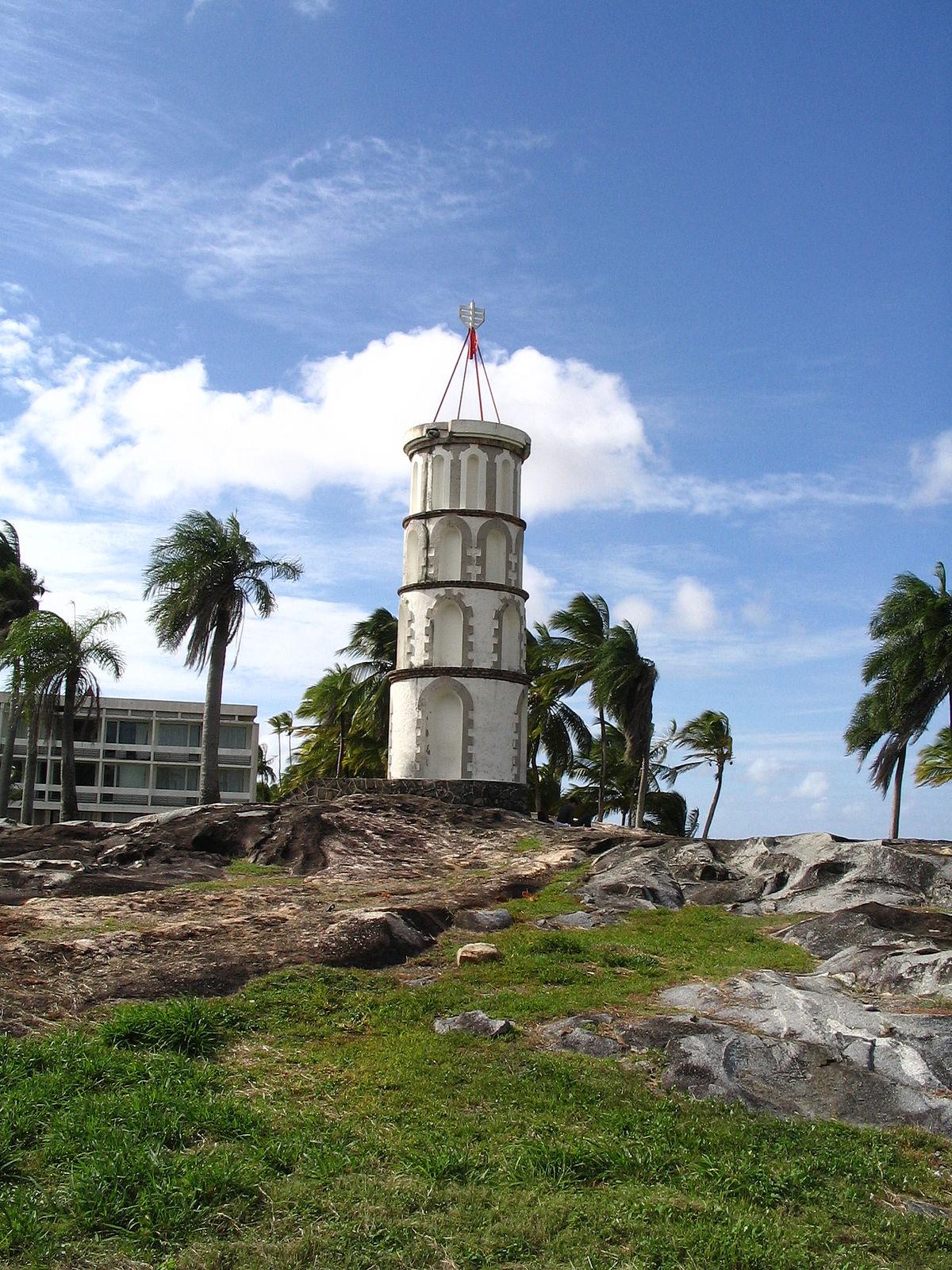
The Devilish History of Devil’s Island: A Dark Chapter in French Penal History
Nestled off the coast of French Guiana, the infamous Devil’s Island conjures images of isolation, suffering, and despair. Once a notorious penal colony, this small island became synonymous with the brutal treatment of prisoners, particularly during the latter half of the 19th century. With its storied past shrouded in hardship and fear, Devil’s Island served as the final destination for some of France’s most reviled criminals, as well as political prisoners, many of whom were wrongly accused. In this article, we delve into the compelling history of this dark enclave, examining the stories of its inmates, the brutal conditions they faced, and the broader societal implications of its legacy. Through the lens of JSTOR Daily’s in-depth research, we explore how Devil’s Island not only shaped the lives of those who were incarcerated there but also transformed the course of French penal reform and human rights discourse. Join us as we uncover the devilish truths hidden within this island’s haunting history.
Unveiling the Dark Legacy of Devil’s Island Through Historical Evidence
Devil’s Island, notorious for its grim history as a penal colony, stands as a stark symbol of human suffering and state-sanctioned cruelty. Historical records reveal that from 1852 to 1953, this isolated location housed some of France’s most infamous convicts. Eyewitness accounts, government documents, and the personal testimonies of those who endured its horrors paint a chilling picture of the conditions prisoners faced. Former inmates described the island’s harsh environment, which was marked by brutal labor, disease, and psychological torment, as well as the pervasive atmosphere of hopelessness that enveloped them. Among its most notorious inmates was Alfred Dreyfus, whose wrongful conviction echoed through the annals of French history, igniting a political scandal that would shape the nation for decades to come.
The implications of the practices implemented in this penal colony extend beyond the walls of its confinement. Resources drawn from investigations detail how inhumane treatment not only affected the prisoners but also reflected the biases and class struggles of the society that created this hellish landscape. As we delve further into this harrowing chapter, we must also confront the systematic injustices that allowed such places to thrive under the guise of rehabilitation. Historical surveys bring to light the community responses, both in support of and against the penal system. The evidence collected underscores a societal reckoning that continues to reverberate today:
| Key Themes | Historical Evidence |
|---|---|
| Inhuman Treatment | Reports of torture and labor conditions. |
| Political Scandal | The Dreyfus Affair as a case study. |
| Social Bias | Class divisions and justice administration. |
Exploring the Human Impact and Cultural Repercussions of Incarceration on Devil’s Island
The legacy of Devil’s Island extends far beyond its infamous past as a penal colony. As one of the French penal settlements in the 19th and 20th centuries, it became a repository of human suffering that shaped many lives and stories. The stark conditions faced by the inmates, such as overcrowding, malnutrition, and harsh labor, forged a collective memory steeped in trauma. Survivors often bore the psychological scars of their experiences, influencing their reintegration into society upon release and impacting family dynamics. The societal response to these individuals often reflected deeper cultural stigmas about crime and punishment, leading to a pervasive cycle of marginalization that lasted long after the island ceased to operate as a prison.
Moreover, the cultural repercussions of incarceration on Devil’s Island extend into literature and art, reflecting a spectrum of human emotions and resilience. This historical narrative has inspired various artistic expressions, from novels to films, which amplify the voices of those who endured the island’s brutal regime. Key impacts include:
- Increased awareness and discourse around human rights and justice reform.
- Exploration of identity and the human spirit in face of adversity in literary works.
- Influence on modern penal systems and the reconsideration of rehabilitation vs. punishment.
The cultural memory of Devil’s Island remains a potent reminder of the complex interplay between incarceration and society, functioning as an ongoing dialogue about redemption, retribution, and the resilience of the human spirit.
In Summary
In conclusion, the complex and often harrowing history of Devil’s Island serves as a stark reminder of humanity’s capacity for both cruelty and resilience. Once a notorious penal colony, it became a symbol of injustice, inquisition, and the quest for freedom. Through the lens of its dark past, we gain insight into the broader themes of exile, rehabilitation, and the struggle for human rights, underscoring the importance of remembering these lessons as we navigate contemporary issues of justice and incarceration. As we reflect on the legacy of Devil’s Island, it prompts us to consider the ongoing fight against oppressive systems and the need for compassion in building a more just society. For further exploration of this compelling historical narrative, visit JSTOR Daily and delve deeper into the stories that shape our world.