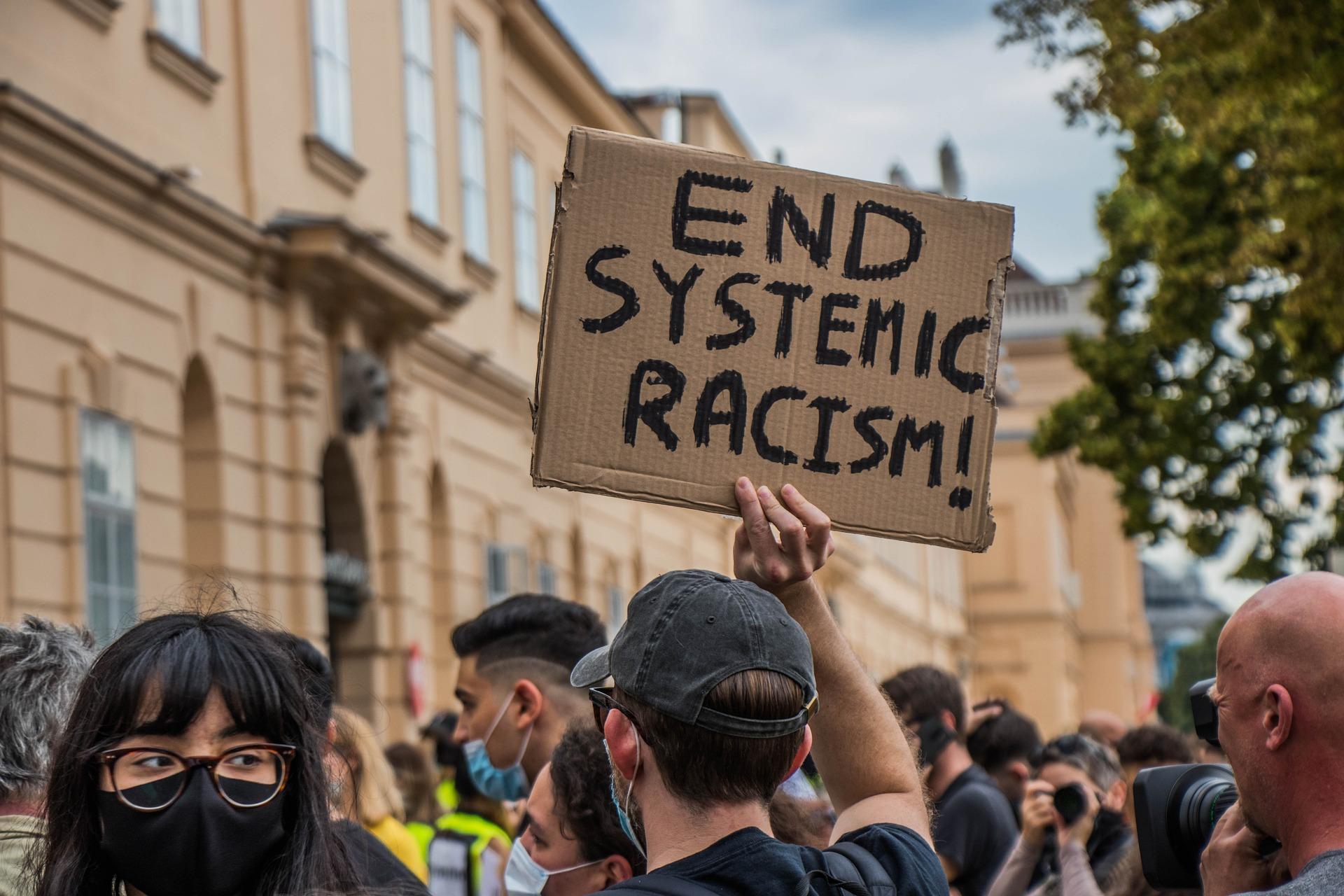
In the vibrant yet complex landscape of French Guiana, a region marked by its cultural diversity and rich natural resources, a darker undercurrent persists-the insidious impact of racism on health care access and outcomes. Despite being an integral part of France, French Guiana grapples with systemic inequalities that disproportionately affect marginalized communities, particularly those of Indigenous, Creole, and immigrant backgrounds. This article explores the multifaceted ways in which racism permeates the healthcare system, hindering the provision of equitable care and exacerbating health disparities. By shedding light on personal accounts, policy shortcomings, and the ongoing struggles for recognition and reform, we aim to illuminate the urgent need for a comprehensive approach to address these injustices within the healthcare framework. In a region where health should be a universal guarantee, the reality for many remains a bitter reminder of the deeper societal issues at play.
Racial Disparities in Access to Medical Services Undermine Health Outcomes in French Guiana
The persistent racial disparities in access to medical services in French Guiana present a significant barrier to achieving equitable health outcomes among its diverse population. Marginalized communities, particularly those of Afro-descendant and indigenous backgrounds, often encounter systemic obstacles, limiting their ability to receive timely and competent medical care. Factors contributing to these inequities include:
- Geographic Isolation: Many remote areas lack adequate healthcare facilities, forcing residents to travel long distances for basic services.
- Economic Barriers: Socioeconomic disparities result in reduced financial means for seeking medical attention, coupled with high out-of-pocket costs.
- Cultural Insensitivity: A lack of culturally competent healthcare providers can deter individuals from accessing care, fearing discrimination or misunderstanding.
These factors collectively undermine the health outcomes for numerous individuals, exacerbating chronic conditions and leading to higher mortality rates in marginalized groups. Data illustrating these disparities reveal a stark contrast in health access and outcomes across different racial and ethnic groups. For instance, a report by the local health authority indicated that:
| Population Group | Access to Healthcare | Maternal Mortality Rate |
|---|---|---|
| Afro-descendants | 45% | 65 per 100,000 |
| Indigenous Communities | 30% | 85 per 100,000 |
| Non-minority Populations | 80% | 25 per 100,000 |
This glaring inequity highlights an urgent need for focused policy interventions aimed at dismantling these barriers, ensuring that all segments of the population receive fair and equal access to essential medical services.
Effective Strategies to Combat Racism and Improve Healthcare Equity in French Guiana
To tackle racism and enhance healthcare equity in French Guiana, several strategies require immediate implementation. Health systems must prioritize cultural competency among practitioners; this involves comprehensive training that focuses on understanding the diverse cultural backgrounds and experiences of the population. Moreover, establishing community health workers, who can bridge the gap between local populations and healthcare providers, is vital. These workers can effectively address the specific needs of communities, ensuring that healthcare services are not only accessible but also culturally relevant. Investing in education and outreach programs will help dismantle stereotypes and foster a more inclusive healthcare environment.
Strengthening policy frameworks that promote anti-discrimination measures in healthcare settings is equally essential. Governments and health organizations should implement robust monitoring systems to identify and address disparities. A collaborative approach involving local stakeholders in policy formulation ensures that these initiatives are grounded in community needs. Additionally, integrating data collection on healthcare outcomes disaggregated by race and ethnicity will allow for targeted interventions. Considering these strategies together can create a more equitable healthcare landscape and significantly mitigate the impacts of racism in French Guiana’s health system.
In Conclusion
In conclusion, the intersection of racism and health care in French Guiana reveals a complex and troubling landscape that demands urgent attention. The systemic discrimination faced by marginalized communities not only exacerbates health disparities but also undermines the overall effectiveness of the health care system. As discussions surrounding equity and access gain momentum, it is critical for policymakers, health care providers, and civil society to address these ingrained biases. By fostering an environment of inclusivity and understanding, French Guiana can take significant strides towards a more equitable health care system for all its residents. Continued dialogue and action are essential to dismantle the barriers posed by racism and to ensure that every individual receives the care they deserve, irrespective of their background.