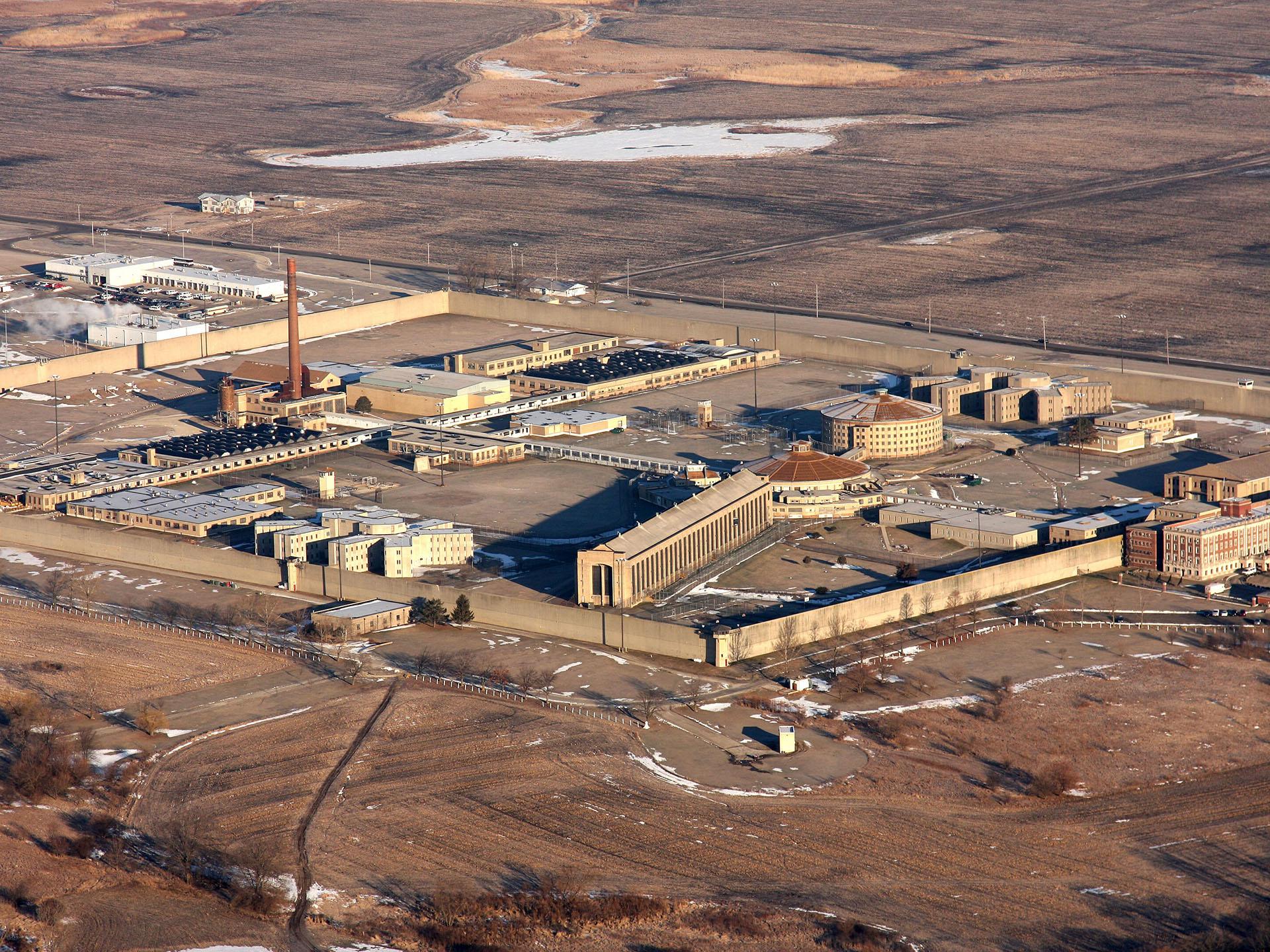
France Set to Launch New High-Security Correctional Facility in French Guiana
In a notable advancement reflecting ongoing security and incarceration issues, the French government has revealed plans to build a new high-security correctional facility in French Guiana. This initiative aims to enhance the nation’s prison capacity in response to increasing criminal activities and the necessity for more rigorous management of high-risk offenders. With construction anticipated to commence shortly, officials highlight that modern infrastructure is crucial for improving public safety and maintaining law enforcement standards in this overseas region. As France navigates its intricate relationship with crime management, this new facility prompts discussions about rehabilitation practices, human rights considerations, and the overall effectiveness of its penal system in tackling underlying crime issues.
France Enhances Correctional Infrastructure in French Guiana Amid Rising Crime Issues
In light of surging crime rates and heightened public safety concerns, the French government has announced plans for a new high-security prison located in French Guiana. This facility is designed to accommodate an increasing inmate population while strengthening the region’s correctional framework.Authorities are optimistic that advanced security features will not only improve safety within the prison but also benefit surrounding communities. The strategic placement of this new establishment is expected to facilitate better inmate management while alleviating pressure on current facilities that are operating beyond their intended capacity.
The decision to expand correctional resources comes against a backdrop marked by rising violence and criminal activity within French Guiana, especially related to gang operations. The upcoming facility will include:
- Cutting-edge security technologies aimed at preventing escapes and unauthorized entries.
- Innovative rehabilitation initiatives focused on lowering recidivism rates.
- Enhanced living conditions for inmates designed to support smoother reintegration post-release.
| Feature | Description |
|---|---|
| Total Capacity | 500 inmates |
| Security Classification | Maximum Security Level |
Expert Analysis on the Impact and Future of France’s High-Security Prison Project
The impending launch of France’s high-security prison in French Guiana has drawn attention from experts who are evaluating its potential impacts.A primary concern revolves around how this facility might alleviate overcrowding issues prevalent across existing prisons nationwide. Given that France holds one of Europe’s highest incarceration rates, many believe that this new institution could help ease pressures faced by urban penitentiaries. Though, challenges unique to its remote location may complicate logistics regarding prisoner transport and also staffing requirements. Experts assert that prosperous implementation will depend heavily on effective administration alongside comprehensive rehabilitation programs integrated with conventional punitive approaches.
The political ramifications associated with this initiative also warrant consideration; critics caution that focusing primarily on high-security solutions could exacerbate existing flaws within the justice system—possibly leading to increased recidivism rates among former inmates. Conversely, supporters argue for enhanced security measures aimed at isolating dangerous offenders from society at large. The sustainability of such an initiative may hinge upon several critical factors:
- Sufficient Funding: Securing adequate financial resources necessary for operational costs as well as rehabilitation efforts.
- Civic Engagement:: Addressing community apprehensions regarding safety implications stemming from nearby facilities.
- Pioneering Policy Frameworks:: Establishing clear protocols governing inmate treatment alongside rehabilitative strategies.
Looking Ahead: The Path Forward
The establishment of a state-of-the-art high-security prison in French Guiana signifies a pivotal change in how France addresses its criminal justice challenges—especially concerning overseas territories like these regions.The move seeks not onlyto tackle escalating concerns over public safety but also strives towards improving conditions within current facilities.This development carries implications extending beyond mere infrastructure; it stands poised potentially influencing local communities,the judicial process,and rehabilitative endeavors.As construction gears up over forthcoming months,it becomes increasingly vitalto observe how these changes affect crime statisticsand shape broader socio-political dynamicsinFrenchGuianawithinthis evolving landscape.