
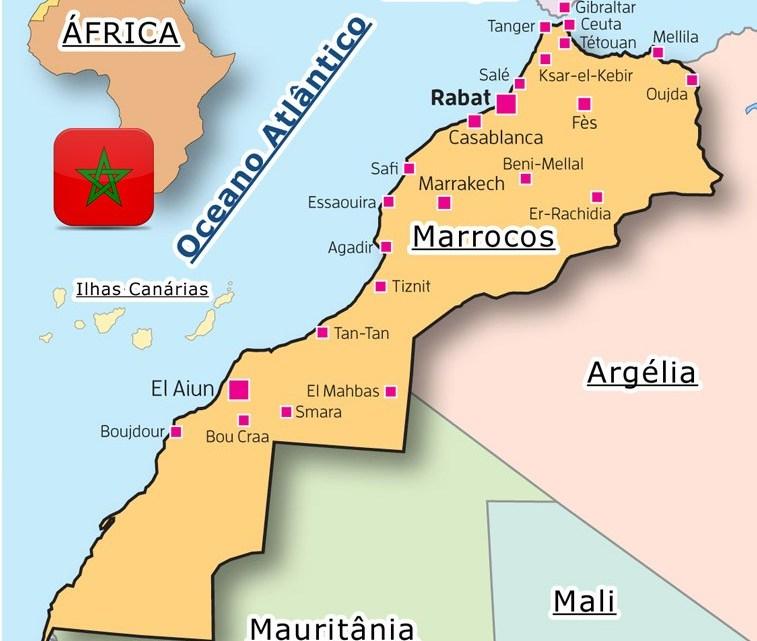
In a world marked by geopolitical tensions and human rights struggles, the plight of the Sahrawi people casts a poignant light on the enduring quest for self-determination. As increasing repression in Western Sahara forces many to seek refuge, an unexpected sanctuary has emerged in the remote jungles of French Guiana. This French overseas territory, often overlooked in discussions of global migration patterns, has become a haven for Sahrawis fleeing the oppressive regime of Morocco. In this article, we explore the complex journey of these individuals, the challenges they face, and the broader implications of their search for safety and identity amidst a backdrop of international neglect and political intrigue. Through personal stories and expert analysis, we examine how the intersection of colonial legacies and contemporary struggles continues to shape the lives of the Sahrawi people in their quest for freedom.
Moroccan Repression and the Flight to Safety: The Sahrawi Exodus to French Guiana
The ongoing repression of the Sahrawi people by Moroccan authorities has driven many to seek asylum far from their homeland. French Guiana, a region known for its lush landscapes and historical ties to France, has emerged as an unexpected sanctuary for those fleeing the oppressive climate in Western Sahara. The challenges faced by the Sahrawis in Morocco, including arbitrary detentions, censorship, and violence, have compelled them to embark on perilous journeys. Activists, artists, and families, recognizing the urgency of their plight, have joined the exodus, finding solace in a territory that, although thousands of miles away, offers the promise of safety and a chance for a new beginning.
In French Guiana, the Sahrawi diaspora is gradually establishing a community marked by resilience and solidarity. They have formed support networks to help newcomers navigate the complexities of asylum processes and daily life. The unique blend of cultures in this French territory has allowed Sahrawis to preserve their identity while also assimilating into the local society. Some key aspects of this communal effort include:
- Cultural Exchange: Sahrawis share their rich traditions through music and art, fostering a sense of belonging.
- Advocacy Networks: Collaboration with local human rights organizations to raise awareness of their plight.
- Language Classes: Offering French language courses to ease integration into French Guianese society.
Despite the challenges that come with starting over in a new land, the Sahrawi community in French Guiana remains optimistic. They are not just surviving; they are creating avenues for cultural expression and political advocacy that resonate both within and beyond their diaspora. As they navigate their new lives, their stories of resilience continue to shed light on the broader issues of colonialism, self-determination, and the universal right to safety.
The Conclusion
As the plight of the Sahrawis continues to unfold, the story of their refuge in French Guiana serves as a poignant reminder of the complexities surrounding issues of displacement and human rights. The challenges faced by these individuals, fleeing repression and seeking solace in a distant land, highlight not only the ongoing struggles for autonomy and recognition in Western Sahara but also the broader implications for international humanitarian response. While the situation remains fraught with uncertainty, the resilience of the Sahrawi community in French Guiana illustrates their enduring fight for dignity and justice. As the world watches, it becomes increasingly clear that the path towards resolution requires greater engagement and solidarity from the international community to address the root causes of their suffering. Only through collective efforts can a future be envisioned where the rights of the Sahrawis are upheld and their aspirations for self-determination realized.









