Guyana’s Big Boom: The Inside Story of Latin America’s New Oil Rush
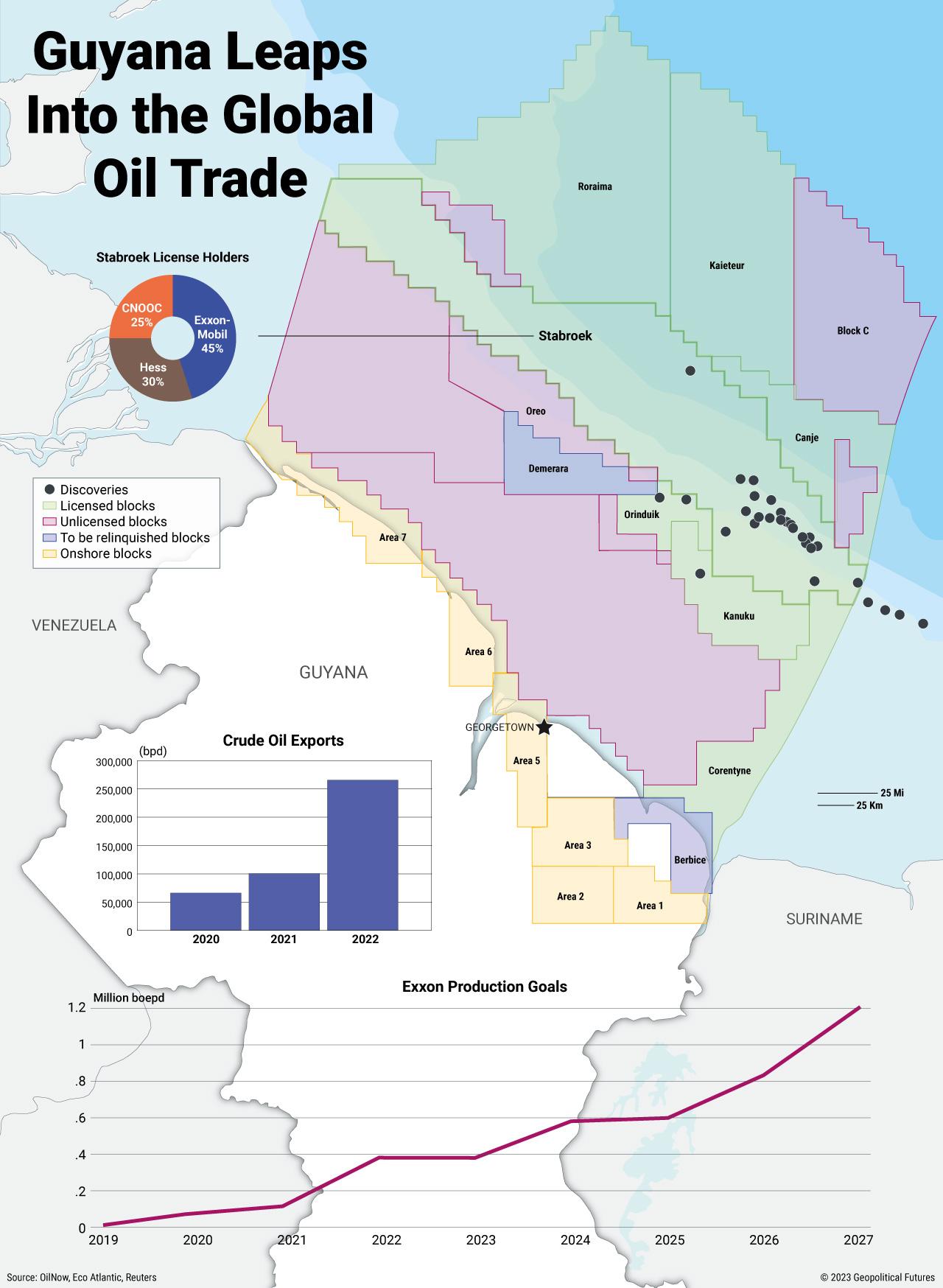
In recent years, the small South American nation of Guyana has emerged as a focal point in the global energy landscape, drawing international attention and investment with its staggering oil discoveries. As a nation long characterized by its lush rainforests and diverse culture, Guyana is now poised to redefine its economic future amid a burgeoning oil rush that promises to elevate it from relative obscurity to a major player in Latin America’s energy sector. This article delves into the intricate web of geopolitical interests, environmental concerns, and socio-economic transformations sparked by the country’s newfound hydrocarbon wealth, offering an inside look at how Guyanese leaders, foreign corporations, and local communities are navigating the complexities of this remarkable boom. As the world watches, Guyana stands at a crucial crossroads – the choices made today will shape its destiny for generations to come.
Guyana’s Economic Transformation: Navigating the Challenges of Rapid Oil Industry Growth
As Guyana’s oil sector expands at an unprecedented pace, the nation’s economic landscape is undergoing a significant transformation. The influx of investments and job opportunities has spurred growth in various sectors, from infrastructure to services. However, this rapid development also brings a set of challenges that require careful navigation to ensure sustainable progress. Critical issues such as inflation, skill shortages, and the potential for environmental impacts complicate the triumphs of newfound wealth, with local businesses struggling to keep pace and government institutions working to strengthen regulations.
The government of Guyana faces a dual responsibility: maximizing the benefits of oil revenue while safeguarding the interests of its citizens and the environment. Key challenges include:
- Managing Resource Wealth: Establishing transparent frameworks for the allocation of oil revenues to avoid the “resource curse.”
- Infrastructure Development: Rapid urbanization demands significant upgrades in transportation, housing, and public services.
- Environmental Sustainability: Balancing economic growth with the protection of Guyana’s rich biodiversity and adherence to international standards.
To illustrate the urgency of these challenges, consider the following data on projected economic impacts:
| Year | GDP Growth (%) | Projected Oil Revenue (USD) |
|---|---|---|
| 2023 | 45 | 1.1 Billion |
| 2024 | 35 | 2.5 Billion |
| 2025 | 25 | 5 Billion |
This data reflects not only the potential for astonishing growth but also the urgent need for strategic planning. As Guyana reaps the benefits of its oil bounty, it must embrace comprehensive policies that prioritize long-term stability and prosperity for all its citizens.
Sustainable Development Strategies for Guyana: Balancing Wealth and Environmental Integrity
The rapid influx of oil wealth in Guyana presents both profound opportunities and significant challenges. As the country embarks on this new economic journey, it becomes crucial to adopt strategies that prioritize long-term sustainability alongside immediate financial gains. Experts advocate for a comprehensive approach that encompasses:
- Environmental Protection: Implementing strict regulations to safeguard biodiversity and ecosystems from industrial operations, ensuring that natural resources are not depleted.
- Investment in Renewable Energy: Diversifying the energy portfolio by harnessing Guyana’s potential for solar and wind power, reducing reliance on fossil fuels.
- Community Engagement: Involving local communities in decision-making processes related to resource management, thereby addressing social inequalities and fostering inclusive growth.
To measure the success of these initiatives, the government could establish a set of key performance indicators (KPIs) that track both economic benefits and environmental health. A potential framework might look like the following:
| Indicator | Goal | Current Status |
|---|---|---|
| Carbon Emissions Reduction | 20% by 2030 | 5% reduction |
| Renewable Energy Usage | 30% by 2025 | 10% usage |
| Biodiversity Protection Areas | 15% of total land | 8% designated |
In Conclusion
As Guyana stands on the cusp of a new economic era fueled by its burgeoning oil industry, the implications of this boom extend far beyond its borders. With the potential to transform the nation’s infrastructure, economy, and geopolitical relevance, the story of Guyana’s oil rush underscores a significant shift in Latin America’s energy landscape. While the promise of newfound wealth brings opportunities, it also presents challenges, from environmental concerns to the need for sustainable development. As stakeholders navigate this uncharted territory, the eyes of the world remain fixed on how Guyana will leverage its resources in pursuit of a prosperous and equitable future. The unfolding narrative of Guyana’s oil boom is not just about resource extraction; it is about the aspirations and developments of a nation on the rise.