Inside the Brutal French Guiana Prison That Inspired ‘Papillon’
In the heart of the tropical landscapes of French Guiana lies a dark chapter of history that has fascinated and horrified generations. The infamous ÃŽles du Salut, a group of islands off the Guiana coast, are best known for their notorious penal colony, which served as a backdrop for the harrowing experiences depicted in Henri Charrière’s autobiographical novel, “Papillon.” This article delves into the grim realities of the prison that not only housed prisoners but also became a symbol of human endurance and suffering. Through an examination of its brutal conditions, the stories of those who endured its confines, and the lasting legacy it left on popular culture, we uncover the enduring impact of a place that remains shrouded in mystery and terror. As we peel back the layers, we reveal how this isolated fortress of despair transformed into a cautionary tale that resonates far beyond its borders.
Unveiling the Harsh Realities of French Guiana’s Infamous Penal Colony
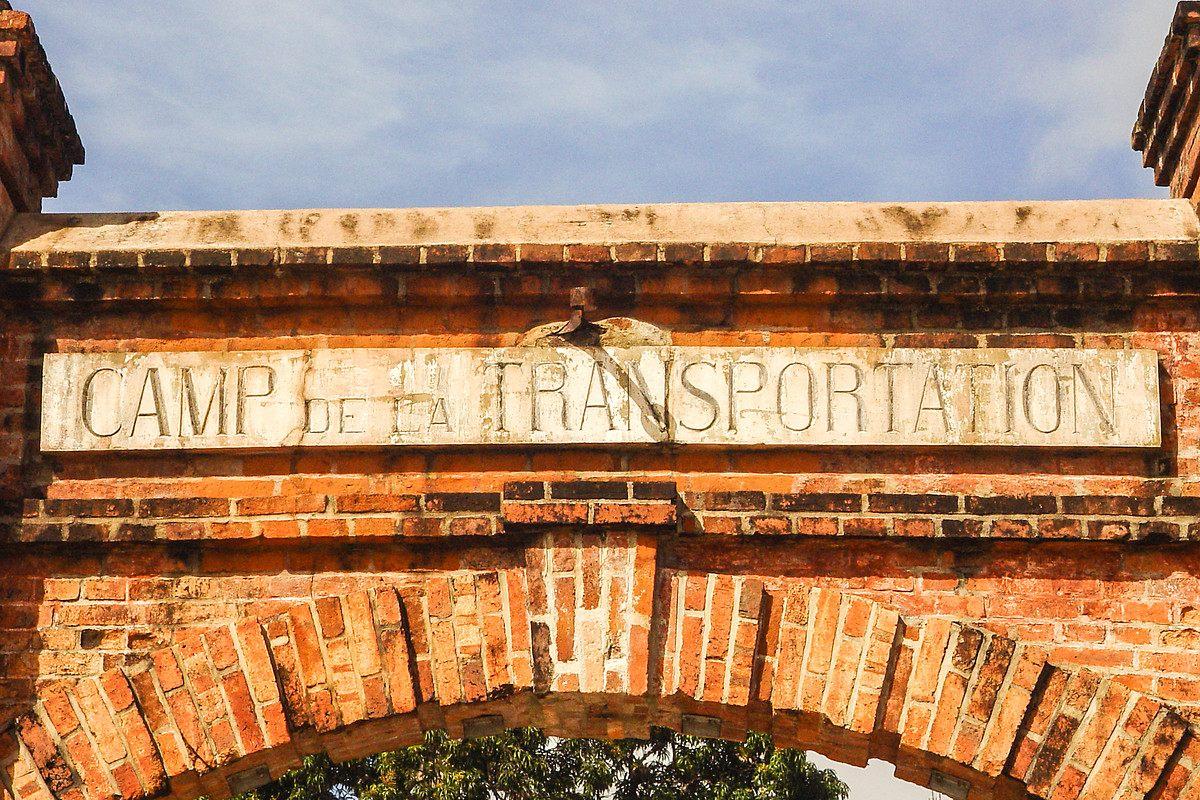
French Guiana’s penal colony, notorious for its inhumane treatment and brutal conditions, served as a backdrop for countless stories of suffering and survival, including the tale immortalized in the film “Papillon.” Established in the mid-19th century, it became a dumping ground for political prisoners and common criminals alike. Life here was characterized by extreme hardships that included:
- Unbearable Weather: The oppressive humidity and relentless tropical sun made daily existence a battle against nature.
- Harsh Labor Conditions: Inmates were subjected to grueling work, often on projects that pushed them beyond their limits.
- Inhumane Living Quarters: Overcrowded barracks didn’t offer basic sanitation, leading to rampant disease.
Amidst this despair, a culture of rebellion and resilience emerged. Prisoners sought solace in camaraderie, often forming tight-knit groups that navigated the treacherous environment together. Notable figures, such as Henri Charrière, who authored “Papillon,” became symbols of defiance against the oppressive regime. The colony’s dark legacy is reflected in historical accounts that reveal:
| Year | Event |
|---|---|
| 1938 | The site was officially closed to new inmates. |
| 1953 | Last remaining prisoners were released. |
This history draws visitors and curiosity-seekers alike to explore the remnants of the colony, a haunting reminder of the price paid for freedom and the enduring fight against oppression.
Exploring the Enduring Legacy and Cultural Impact of Papillon’s True Story
The true story behind *Papillon* has captivated audiences for decades, evoking a blend of horror and admiration for the resilience of the human spirit. The narrative centers on Henri Charrière’s life as a prisoner in the infamous French Guiana prison. This desolate landscape not only served as a backdrop for Charrière’s escape but also became a metaphor for the inhumanity of the penal system. The gripping details of his story have resonated with people from various walks of life, highlighting not just the brutality of incarceration, but also the profound thirst for freedom that exists within us all. The movie adaptation and the original autobiographical novel have sparked conversations about justice, resilience, and the enduring human struggle against oppression.
Over the years, the cultural impact of *Papillon* extends beyond its thrilling escapades. It has influenced various forms of media and inspired other works that tackle themes of confinement and liberation. This legacy can be observed in a variety of ways, including:
- Literary Works: Many authors have drawn inspiration from Charrière’s plight to explore themes of injustice.
- Documentaries: Various films and documentaries about the Guiana penal colony have emerged, providing a stark look at its historical context.
- Art Installations: Artists have created installations reflecting on themes of imprisonment and freedom, echoing the emotional core of Charrière’s narrative.
The legacy of *Papillon* not only informs our understanding of the past but also invites us to consider the conditions of modern penal systems, urging us to reflect on how far we have come-and how far we still need to go.
In Conclusion
In the annals of penal history, the infamous French Guiana prison stands as a stark reminder of the human capacity for endurance amidst extreme adversity. The harrowing tales of survival and escape that emerged from its confines not only shaped the narrative of “Papillon” but also serve as a lens through which we can examine the broader implications of incarceration and punishment. As we reflect on the stories of those who suffered behind its bars, the legacy of this brutal facility continues to provoke critical discussions about justice, rehabilitation, and the ethical treatment of prisoners. With its dark history illuminated by both literature and film, the haunting echoes of French Guiana’s notorious prison compel us to confront the complex realities of crime and punishment, urging society to seek more humane alternatives as we move forward. The lessons of the past may yet pave the way for a more just future.