
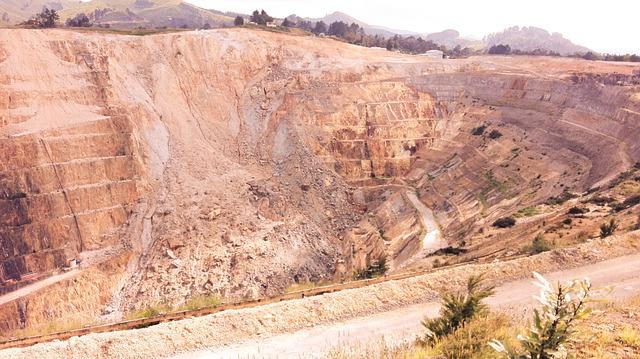
In a significant crackdown on illicit resource extraction, Interpol has reported the arrest of 198 individuals involved in a cross-border illegal gold mining operation across South America. This extensive operation, which spanned several countries known for their rich mineral resources, highlights the growing challenges posed by organized crime in the region’s mining sector. The arrests, part of a coordinated effort involving law enforcement agencies from multiple nations, reflect increasing concerns about the environmental devastation, social conflict, and economic destabilization linked to illegal mining activities. As authorities intensify their fight against these operations, the implications for local communities and international markets remain critical areas of concern.
Significant Impact on Wildlife and Ecosystems in the Amazon Amidst Major Illegal Gold Mining Bust
The recent crackdown on illegal gold mining in the Amazon has unveiled a stark reality-the ongoing environmental degradation caused by such illicit activities poses a significant threat to the region’s biodiversity. As mining operations proliferate, vast areas of tropical rainforest are cleared, disrupting critical habitats for countless species. The ecological balance within these ecosystems is being dismantled, leading to direct consequences such as species displacement, population decline, and even extinction for some native plants and wildlife. Recent studies suggest that the affected areas are experiencing increases in soil erosion and water pollution, further exacerbating the decline of fragile ecosystems that rely on clean waterways and intact vegetation.
Additionally, the social ramifications of unchecked gold mining extend beyond the immediate environmental impacts. Armed groups and illegal miners often invade indigenous territories, leading to conflicts over land rights and resource management. The encroachment on these ancestral lands not only threatens traditional livelihoods but also undermines the cultural heritage of indigenous communities. The findings from the international operation highlight the pressing need for collective action to counteract illegal activities. In light of this, experts emphasize the importance of establishing sustainable mining practices and enforcing stricter regulations to safeguard the Amazon and its inhabitants for future generations.
Strategies for International Cooperation and Enforcement to Combat Cross-Border Mining Crimes
The recent operation that led to the arrest of 198 individuals involved in illegal gold mining across borders highlights the urgent need for multifaceted approaches in tackling mining-related crimes on an international scale. Countries must invest in enhancing collaboration and information-sharing mechanisms among law enforcement agencies. This can be achieved through the establishment of specialized task forces that combine the expertise of local authorities with international organizations such as Interpol and the United Nations. Key strategies may include joint operations, cross-border surveillance, and the exchange of intelligence related to mining crime hotspots. The successful implementation of these strategies will necessitate robust legal frameworks that allow for effective prosecution in various jurisdictions.
Furthermore, public-private partnerships can play a critical role in combating illegal mining practices. Engaging local communities, non-governmental organizations, and the private sector in mining areas can foster awareness and encourage reporting of illicit activities. Training programs for law enforcement should be prioritized, equipping them with knowledge about environmental regulations and mining laws. International cooperation can also be enhanced through the establishment of a centralized database highlighting illegal mining incidents, seizure of assets, and ongoing investigations. Such a repository would serve as a vital resource for countries grappling with this transnational issue.
| Strategy | Description |
|---|---|
| Joint Operations | Collaborative missions between countries targeting illegal mining activities. |
| Intelligence Sharing | Exchange of information regarding criminal organizations and activities. |
| Community Engagement | Involvement of local populations to foster reporting and awareness. |
| Legal Frameworks | Strengthening laws to facilitate cross-border prosecution of mining crimes. |
Concluding Remarks
In conclusion, the recent operation resulting in the arrest of 198 individuals involved in illegal gold mining across South America underscores the persistent challenges of environmental crime and organized illicit activities in the region. Led by Interpol in collaboration with local law enforcement, this crackdown highlights a significant step towards combating the detrimental effects of illegal mining, which not only threatens ecological stability but also undermines local economies and governance. As authorities continue to address the complexities surrounding this issue, the need for comprehensive strategies to mitigate the impacts of such operations remains crucial. The success of this initiative serves as a reminder of the vital role international cooperation plays in tackling transnational crime, reaffirming a collective commitment to preserving the environment and maintaining the rule of law in South America.











