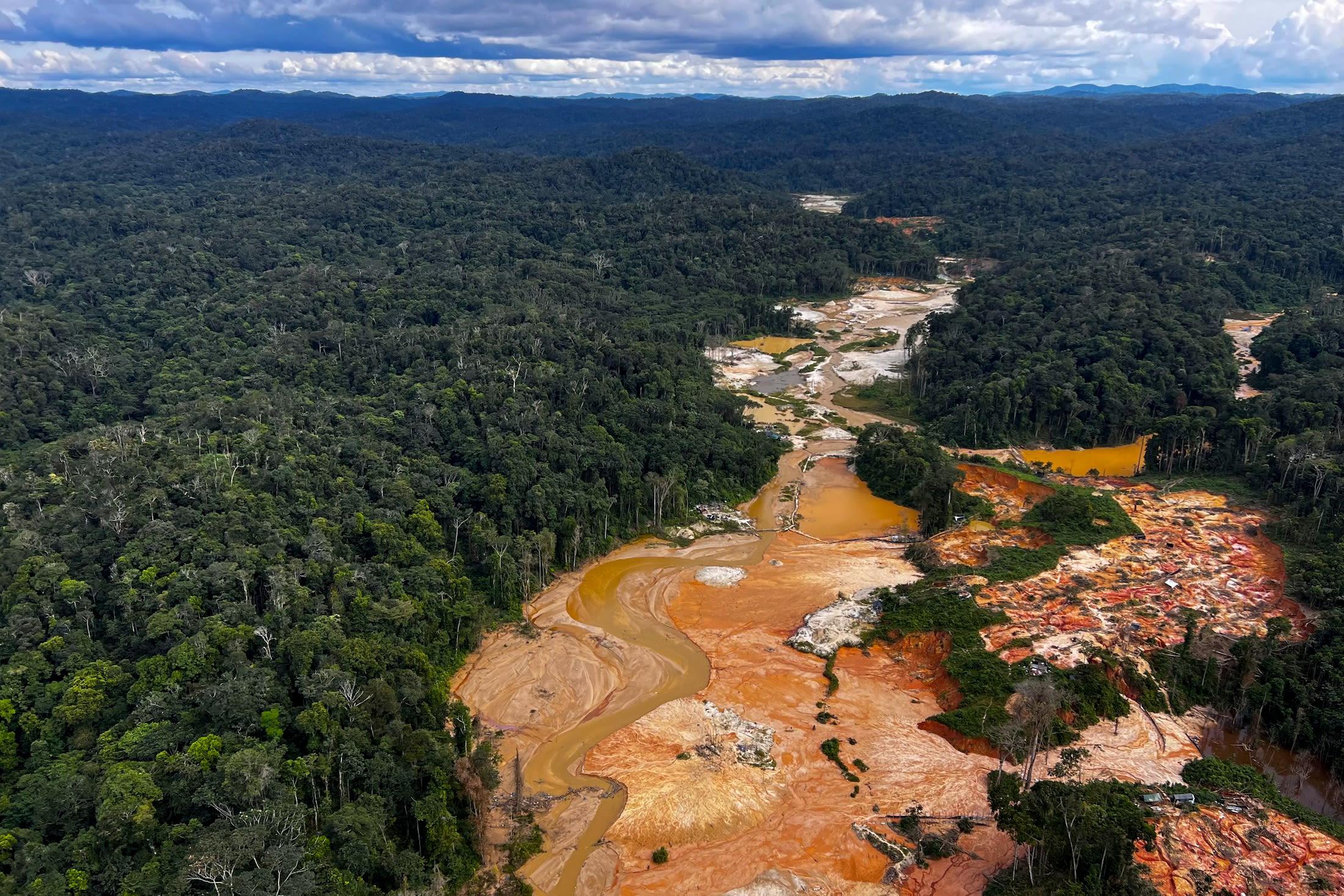
In the shadows of the global gold market, a complex web of illicit activities threatens to undermine the integrity of the legitimate supply chain. As the demand for gold continues to surge, fueled by industries ranging from electronics to jewelry, illegal gold mining and trafficking have become increasingly pervasive. Investigative efforts reveal that vast quantities of this illegal gold infiltrate and blur the lines between legitimate and illegitimate sources, facilitated by a network of corruption, weak regulations, and lack of accountability. In this report, we delve into the intricate mechanisms that allow illegal gold to slip into the mainstream market, exploring the toll it takes on economies, communities, and the environment. With insights from experts and on-the-ground investigations, we aim to shed light on a pressing issue that calls for urgent attention and action.
Uncovering the Trafficking Routes: How Illegal Gold Fuels Corruption and Environmental Destruction
The illicit trade in gold is a shadowy business that traverses continents, intertwining with various networks of organized crime and corruption. At its core, this operation relies on a series of trafficking routes that facilitate the smuggling of gold from artisanal mines, often found in conflict zones or ecologically sensitive areas, into broader markets. Criminal syndicates exploit the demand for gold in luxury goods, electronics, and even investment, enabling them to siphon profits that fuel corruption at multiple levels of government. As a result, corruption and environmental destruction go hand in hand, with local authorities turning a blind eye to illegal mining activities in exchange for bribes.
| Trafficking Route | Key Players | Impact |
|---|---|---|
| South America to Asia | Local Miners, Cartels | Environmental Degradation |
| Africa to Europe | Militant Groups, Brokers | Corruption and Conflict |
| Central America to North America | Syndicates | Public Trust Erosion |
The consequences of these trafficking routes are dire, stripping natural resources while destabilizing entire regions. Deforestation, mercury pollution, and violence are rampant, as miners often work in treacherous conditions where safety is compromised for profit. The consequence of such practices is not only felt in the immediate vicinity but also cascades into global markets that unwittingly purchase gold intertwined with suffering and ecological harm. Addressing this issue requires a concerted effort that transcends borders, aiming to tighten regulations and enforce accountability along the supply chain, thus dismantling the web of corruption that allows illegal gold to flourish.
Strengthening Supply Chain Integrity: Recommendations for Policy and Practice to Combat Illicit Gold Trade
The illicit gold trade poses significant challenges to the integrity of global supply chains, necessitating comprehensive policy reforms and practical measures. Governments and regulatory bodies should implement stricter traceability requirements for gold sourcing to ensure that all imported and exported gold can be traced back to its origin. This could be accomplished through enhanced utilization of technologies such as blockchain to create a transparent ledger that tracks the movement of gold from mines to markets. In addition, adopting international standards for gold certification could help create a level playing field, allowing responsible miners to compete effectively against those engaged in illicit activities.
Furthermore, fostering collaboration among stakeholders-including mining companies, governments, and civil society organizations-is crucial for combating the illicit gold trade. Public-private partnerships could focus on conducting thorough environmental and social impact assessments to ensure that mining activities meet ethical standards. Educational initiatives aimed at raising awareness about the consequences of illegal gold mining could empower local communities to report illegal activities. Finally, incorporating incentives for ethical sourcing and penalizing companies linked to illicit gold can drive meaningful change in the supply chain and ultimately bolster sustainable practices across the industry.
The Way Forward
In conclusion, the investigation into the illicit pathways of gold entering the legitimate supply chain underscores the complex interplay of criminal enterprise and global commerce. As highlighted in our analysis, the ramifications extend far beyond mere economic implications, touching on environmental degradation, human rights violations, and the undermining of governance in resource-rich regions. As regulatory bodies and industry stakeholders grapple with these challenges, it is imperative that vigilance and transparency become the cornerstones of the gold trade. The findings of this inquiry serve as a crucial reminder of the necessity for continued scrutiny, collaboration, and reform to dismantle the networks that exploit both the Earth’s resources and the communities that depend on them. Only through concerted efforts can the integrity of the gold supply chain be preserved and a more ethical, sustainable future be forged.