Why Are the People of French Guiana So Angry?
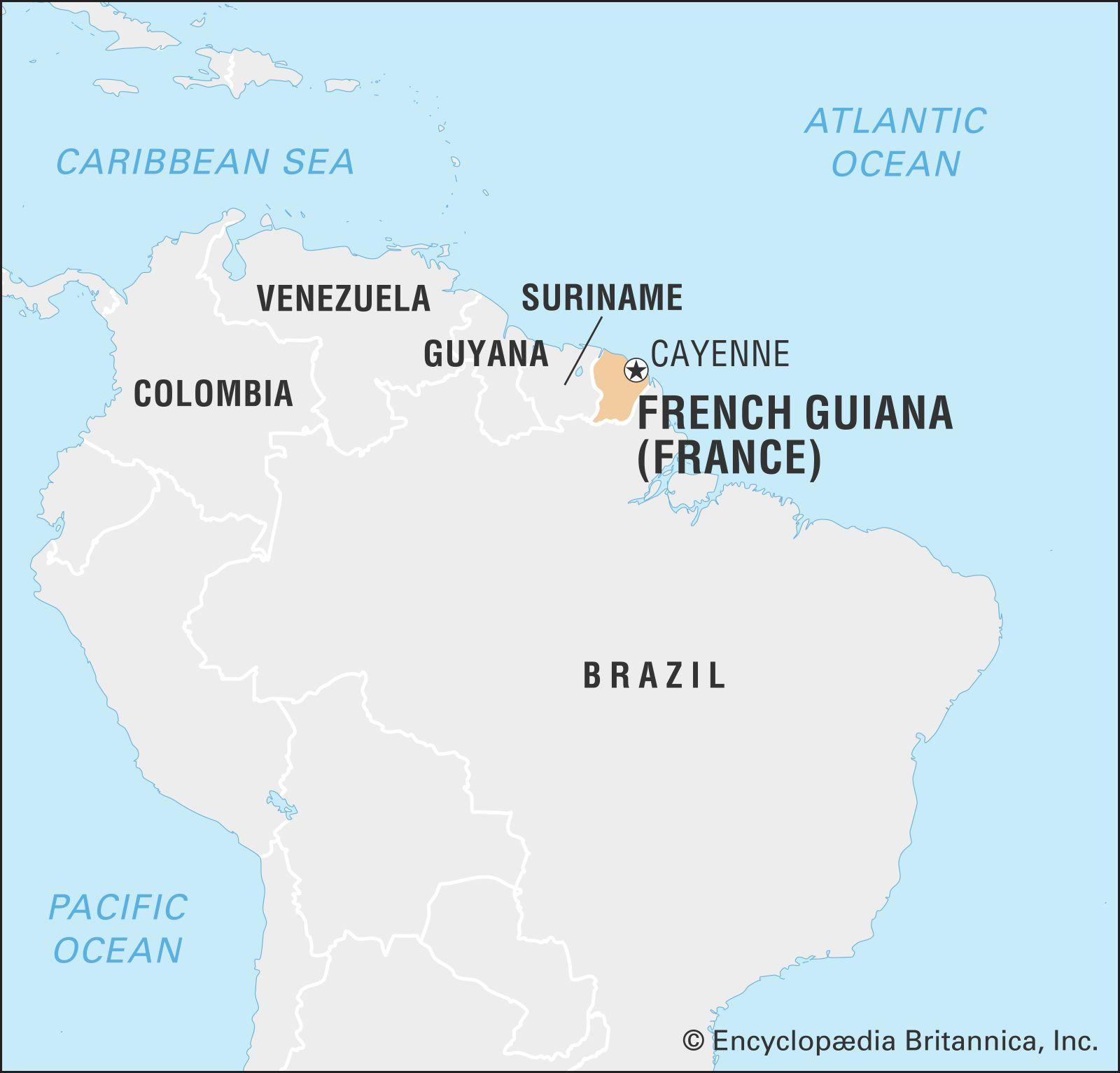
In the remote stretches of South America lies French Guiana, an overseas region of France characterized by its rich biodiversity and multicultural population. Yet beneath the surface of this picturesque landscape simmers a deep-rooted frustration among its residents. In recent years, protests and civil unrest have erupted, drawing attention to long-standing grievances over unemployment, inadequate public services, and the perceived neglect from the French government. This unrest has not only revealed the socio-economic disparities faced by the people of French Guiana but has also sparked a renewed conversation about identity, autonomy, and the challenges of being a territory of a European nation in a postcolonial age. As we delve into the reasons behind this growing anger, we will explore the historical context, the current political climate, and the voices of those who are demanding change in their fight for dignity and rights.
French Guiana’s Struggle for Justice and Recognition Amidst Economic Discontent
Resentment has been brewing in French Guiana, where the community’s calls for justice and recognition have intensified against a backdrop of economic discontent. Many residents feel neglected and marginalized by the French government, leading to a sense of betrayal among the populace. The challenges they face are compounded by systemic issues that include:
- High unemployment rates: French Guiana struggles with significant joblessness, particularly among youth, leaving many in a state of despair.
- Insufficient public services: Schools, healthcare, and infrastructure are often underfunded, impacting the quality of life for residents.
- Rising living costs: The cost of basic goods and commodities has surged, placing additional strain on families already grappling with economic hardship.
Amidst these disparities, social movements have taken shape, demanding not only economic relief but also greater autonomy and respect for their cultural identity. Protesters have organized demonstrations, highlighting their grievances through various forms of mobilization. A recent table outlines key demands from these movements:
| Demand | Description |
|---|---|
| Increased Funding | Allocation of resources for education and healthcare services. |
| Job Creation | Initiative to foster local entrepreneurship and investment opportunities. |
| Political Representation | Greater inclusion of local voices in government decision-making. |
Addressing Historical Injustices: Key Steps Toward Reconciliation and Sustainable Development
The grievances of the people of French Guiana are deeply rooted in a history marked by colonial exploitation and systemic neglect. Over decades, the region has faced significant economic disadvantages, coupled with environmental degradation resulting from mining activities approved by the French government without proper consent or benefit sharing with the local communities. To address these injustices, it is imperative to recognize the historical context and actively involve indigenous voices in the dialogue about their future. Key steps include:
- Implementing land rights legislation that acknowledges and protects the territories of indigenous peoples.
- Creating equitable economic opportunities that empower local communities and diminish reliance on unsustainable resource extraction.
- Enhancing educational programs that raise awareness about the rich cultural history and current challenges faced by French Guiana.
Moreover, an essential aspect of fostering reconciliation is ensuring transparent governance that allows for community participation in decision-making processes. Government accountability can be achieved through the establishment of regular forums for dialogue between local leaders and state representatives. These platforms can facilitate meaningful conversations around development strategies and integrate the principles of sustainability. A potential framework for such dialogues might include:
| Dialogue Goals | Key Stakeholders | Expected Outcomes |
|---|---|---|
| Address historical grievances | Community leaders, local NGOs | Restoration of trust |
| Develop economic initiatives | Entrepreneurs, local government | Job creation, skill development |
| Ensure environmental sustainability | Environmental activists, scientists | Preservation of natural resources |
To Conclude
As the grievances of the people of French Guiana come to the forefront, their anger serves as a vital call for attention to the systemic issues that have long been overlooked. The combination of economic disparity, social injustice, and a struggle for cultural recognition has ignited a fervent desire for change among the populace. The protests and demands for greater autonomy underscore a broader narrative of colonial legacies and the fight for rights that resonates with many indigenous and marginalized communities worldwide. As we reflect on the voices of French Guiana, it becomes increasingly clear that their frustrations are not merely local issues but a reflection of larger global conversations about equity, representation, and the pursuit of justice. In the coming months and years, it will be crucial for both local authorities and the French government to listen and engage with these voices to ensure that the path towards resolution is paved with genuine dialogue and meaningful change. The anger of the people may be an emotional response, but it is rooted in a profound yearning for a fairer, more equitable future-one that acknowledges their rights and values their contributions to society.