2
Prof Sir Andrew Pollard, of the University of Oxford, told the Guardian the outbreak should be “a wake-up call”.
“If the climate continues to change, we should expect a spread of the insects which can transmit diseases to humans to increase,” he added.
Danny Altmann, a Professor of Immunology at Imperial College London, previously that “we should all be worried” about diseases like Oropouche extending their reach.
He warned they could become common in many parts of the USA and Southern Europe within the coming decades.
“Oropouche is certainly a worry for its uncertainty and, for all those worried about global health, it just feels like climate change is adding to the healthcare burden in a very palpable way, season by season,” he said.
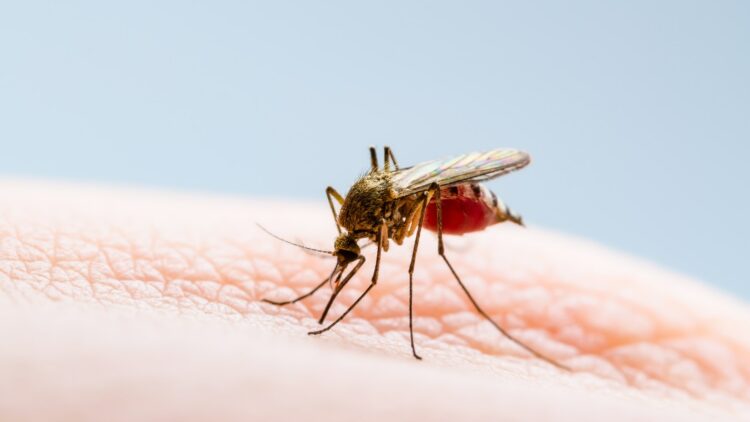
Mosquitos which carry several tropical diseases, including dengue, zika and chikungunya have already been spotted in 18 EU countries.
Until recently, these diseases were only typically present in parts of Africa, Asia and the Americas – where the bugs were established.
The bugs have become a growing threat to Europe over the past two decades as warmer temperatures have allowed the blood-sucking nat to thrive, according to the European Centre for Disease Prevention and Control (ECDC).
Oropouche virus: Everything you need to know
Oropouche fever is a disease caused by Oropouche virus
It is spread through the bites of infected midges (small flies) and mosquitoes.
Symptoms of Oropouche fever are similar to dengue and include headache, fever, muscle aches, stiff joints, nausea, vomiting, chills, or sensitivity to light.
Severe cases may result in brain diseases such as meningitis.
Symptoms typically start 4–8 days after being bitten and last 3–6 days.
Most people recover without long-term effects.
There are no specific medications or vaccines are available.
Precautions
Travellers heading to affected areas should take steps to avoid bug bites.
The virus is endemic in many South American countries, in both rural and urban communities.
Outbreaks are periodically reported in Brazil, Bolivia, Colombia, Ecuador, French Guiana, Panama, Peru, and Trinidad and Tobago.
Wear tops with long sleeves and long trousers, apply insect repellent regularly, and sleep under a mosquito net if you are not in enclosed, air-conditioned accommodation.
Source: US Centre for Disease Control and Prevention
Source link : http://www.bing.com/news/apiclick.aspx?ref=FexRss&aid=&tid=66b0b800c6094da2a97bde9f3bc37f37&url=https%3A%2F%2Fwww.thesun.co.uk%2Fhealth%2F29685727%2Foropouche-virus-women-bleed-death-virus-cases-surge%2F&c=720753026870560345&mkt=en-us
Author :
Publish date : 2024-08-05 00:23:00
Copyright for syndicated content belongs to the linked Source.