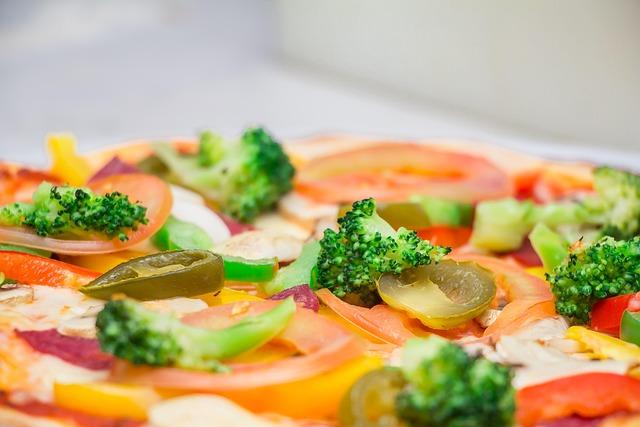
Title: The Changing Landscape of Pizza: Once a Staple, Now a Fading Favorite
In recent years, the beloved pizza-a culinary icon that once epitomized affordability, convenience, and widespread availability in the United States-has seen a significant shift in its status among American consumers. Once the go-to meal for families, parties, and late-night cravings, pizza is now facing an unprecedented decline as health-conscious choices and changing eating habits prompt many to walk away from this classic dish. This article explores the factors contributing to the shifting attitudes toward pizza, delving into the economic implications, evolving culinary preferences, and the rise of alternative dining options that have transformed America’s relationship with this once ubiquitous staple.
Rising Costs and Changing Tastes: The Evolution of Pizza Consumption in America
The landscape of pizza consumption in America has undergone a remarkable shift in recent years. Once a staple for families looking for an affordable meal, pizza is now being scrutinized as rising costs and evolving consumer preferences reshape how Americans eat. As prices for ingredients such as cheese, dough, and toppings continue to climb, consumers are increasingly making choices based on value rather than sheer convenience. Additionally, the desire for healthier, more artisanal options is prompting a departure from the traditional greasy slice to lighter fare, including gluten-free, vegan, and locally sourced ingredients. Here are some notable factors influencing this transformation:
- Health Consciousness: Consumers are prioritizing nutrition and opting for pizzas that offer fresher, healthier toppings.
- Artisanal Trends: The rise of gourmet pizza shops is steering customers towards unique flavor combinations, often at a premium.
- Economic Factors: Increased prices across the supply chain are prompting consumers to reconsider their spending habits regarding take-out and delivery.
As tastes evolve, a new demographic is emerging that seeks variety beyond traditional pizza. Fast-casual establishments and innovative pizzerias are experimenting with non-pizza items like flatbreads and unique salads, further fragmenting the market. With this diversification, the reliance on pizza as a go-to meal is being challenged, introducing competition from both within and outside the realm of Italian cuisine. The following table illustrates some of the recent consumer preferences and trends:
| Trend | Consumer Preference |
|---|---|
| Healthier Options | Increased demand for organic, gluten-free, and plant-based alternatives |
| Artisanal Pizzas | Growing popularity of gourmet ingredients and unique flavor profiles |
| Value vs. Quality | Consumers are willing to pay more for perceived quality, shifting from quantity-based consumption |
Quality over Quantity: How Craft Pizza Trends are Shifting Consumer Preferences
In recent years, a remarkable transformation has taken root in America’s culinary landscape, with consumers increasingly gravitating towards artisanal, high-quality pizza options over the mass-produced alternatives that once dominated the market. This shift is propelled by a growing appreciation for locally-sourced ingredients, unique flavor combinations, and a desire for transparency in food sourcing. As more diners opt for a gourmet experience, pizzerias have begun to focus on crafting exceptional pies that prioritize freshness and innovation, steering clear of the traditional, budget-friendly offerings that flooded the market in previous decades.
This evolution in consumer preference has spurred a notable rise in craft pizza shops across the nation, where the culinary creativity thrives. Diners are now delighted to discover pubs and restaurants showcasing an array of choices, such as:
- Artisan toppings: From truffle oil to pickled vegetables, these toppings elevate the standard pizza experience.
- Alternative crusts: Cauliflower, whole-grain, and gluten-free options cater to diverse dietary needs.
- Fermentation techniques: Sourdough and other artisan styles bring depth of flavor and texture that mass-produced pizzas lack.
As the craft pizza movement gains momentum, the traditional notion of pizza being synonymous with affordability is being challenged. The emerging trend is reflected in customer behavior, as consumers are willing to invest more for a premium product that aligns with their tastes and values.
| Traditional Pizza Characteristics | Craft Pizza Characteristics |
|---|---|
| Low-quality ingredients | Locally-sourced, high-quality ingredients |
| Standard flavor combinations | Unique flavor pairings and seasonal items |
| Mass-produced | Artisanal and handmade |
| Affordable prices | Premium pricing for quality |
Recommendations for Pizzeria Owners: Adapting to the New Landscape of American Dining
As the dining landscape in America continues to shift, pizzeria owners must recalibrate their strategies to attract and retain customers. To thrive amidst rising competition and changing consumer preferences, consider implementing innovative approaches such as:
- Health-Conscious Options: Introduce a variety of healthier pizza toppings and crust options, catering to increasing demand for plant-based and gluten-free diets.
- Seasonal Menus: Utilize local seasonal ingredients to create limited-time offers that entice customers and promote community support.
- Enhanced Delivery Experience: Invest in efficient delivery services and apps, ensuring timely and high-quality delivery to meet the expectations of convenience-driven diners.
Moreover, embracing technology can significantly enhance customer engagement and operational efficiency. Consider the following methods:
| Technology Strategy | Benefits |
|---|---|
| Online Ordering Systems | Streamlines the ordering process and improves customer satisfaction. |
| Social Media Marketing | Engages with a younger audience and builds brand loyalty through interactive content. |
| Loyalty Programs | Encourages repeat business and allows for personalized promotions. |
To Conclude
In conclusion, the transformation of pizza from a universally accessible and affordable staple to a dish experiencing declining popularity among Americans mirrors broader changes in societal taste and economic conditions. As consumers increasingly prioritize quality and health over convenience, the once-celebrated allure of pizza may need to adapt to meet evolving preferences. This shift not only reflects a changing culinary landscape but also raises questions about the future of one of America’s favorite foods. As the pizza industry navigates these challenges, it will be crucial for stakeholders to understand the underlying factors driving this trend and to innovate accordingly, lest they watch a beloved tradition fade further into the background of American dining.