
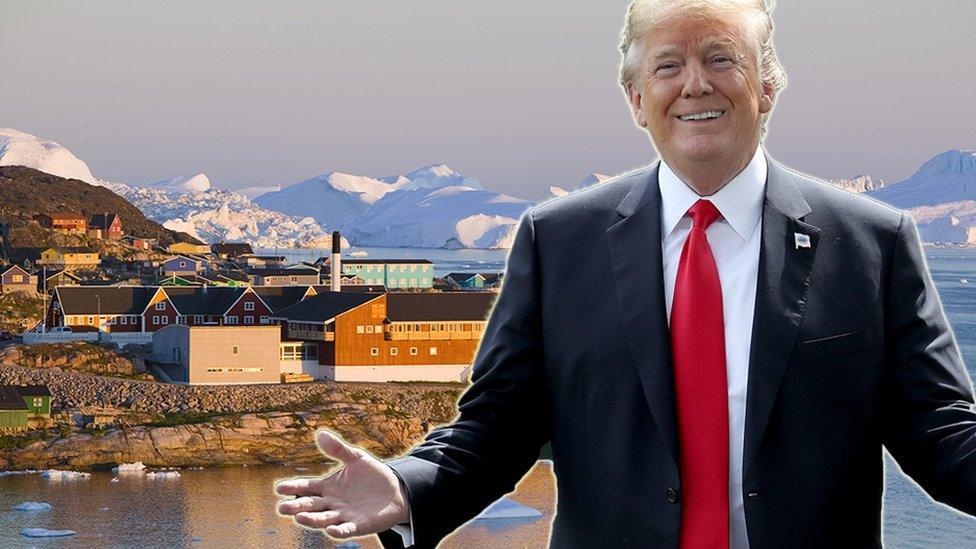
As global warming continues to reshape the geopolitical landscape, the Arctic region has emerged as a focal point of international interest, attracting attention from world leaders and corporations alike. Amid this growing competition for resources and strategic territory, former U.S. President Donald Trump’s controversial proposal to purchase Greenland has raised eyebrows and sparked debate over its implications for Arctic diplomacy. In this article, we explore whether Trump’s Greenland plan is simply a rogue idea or a calculated move in what some analysts describe as a broader scramble for the Arctic-a region rich in untapped resources and critical shipping routes. With increasing military presence and shifting alliances, the stakes are higher than ever as nations navigate the complex interplay of economics, environmental concerns, and national security in one of the planet’s most vulnerable and rapidly changing frontiers.
Trump’s Greenland Plan and Its Implications for Arctic Geopolitics
Donald Trump’s proposal to purchase Greenland raised eyebrows globally, suggesting a new chapter in Arctic geopolitics. This interest in the island, rich in natural resources and strategically located, signifies an accelerating scramble for the Arctic among global powers. Several countries are increasingly keen to access the Arctic’s untapped energy reserves and new shipping routes created by climate change. With melting ice caps making the region more navigable, the implications for international relations are profound, as nations vie for dominance in the area. Stakeholders, including Russia, China, and the Nordic countries, are intensifying their military presence and investments in Arctic territories, reflecting a shift toward greater competition in this fragile environment.
Amid this backdrop, Trump’s Greenland plan sparked a complex debate about sovereignty, indigenous rights, and environmental concerns. The implications of the U.S. acquiring Greenland extend beyond economic interests to include national security strategies and geopolitical alliances. Potential scenarios include disputes over territorial claims, environmental risks from increased extraction activities, and the impact on local populations. As the Arctic continues to warm and the stakes rise, the need for clear governance frameworks and international cooperation becomes increasingly urgent. This move may represent a trend towards formalizing Arctic claims, prompting nations to confront each other in ways not seen since the Cold War.
Assessing the Strategic Maneuvers: Recommendations for International Cooperation in the Arctic
The changing geopolitical landscape of the Arctic, driven in part by climate change and the melting ice cap, underscores the necessity for multilateral agreements among Arctic nations. In light of recent activities, including discussions surrounding significant land purchases, it is essential for stakeholders to reassess their alliances and diplomatic strategies. Efforts should be focused on establishing a framework for cooperation that emphasizes scientific collaboration, environmental protection, and sustainable resource management. Proposed initiatives could include:
- Establishment of an Arctic Council Research Fund dedicated to climate change studies.
- Creation of a binding treaty for joint resource exploration aimed at minimizing conflict over territorial claims.
- Promotion of cultural exchange programs to deepen understanding among Indigenous Arctic communities and other stakeholders.
Furthermore, nations looking to expand their influence in the region must prioritize transparency and dialogue to build trust. One potential avenue for fostering cooperation could involve organizing regular international forums focused on the Arctic’s future. Such forums could facilitate constructive discussions on establishing ecological standards for resource extraction and share best practices in search and rescue operations. A collaborative approach, characterized by open communication between nations, can pave the way for a more peaceful and sustainable Arctic future.
| Recommendation | Potential Benefit |
|---|---|
| Joint Research Initiatives | Enhanced scientific understanding of the Arctic ecosystem. |
| Resource Management Treaties | Reduction of territorial disputes and heightened stability. |
| Indigenous Engagement Programs | Preservation of cultural heritage and increased local participation. |
To Conclude
In conclusion, President Trump’s interest in Greenland can be viewed as more than a mere real estate venture; it reflects the intensifying global competition for resources and influence in the Arctic region. As melting ice caps open up new shipping routes and uncover untapped natural resources, nations are vying for control and access, raising geopolitical tensions that could have far-reaching implications. While the notion of purchasing Greenland was met with skepticism and criticism, it underscores a broader scramble for the Arctic that is likely to shape international relations in the years to come. As the world watches closely, the stakes are high, and the ramifications could define the future of this strategically vital region. The decisions made today will resonate far beyond the icy expanse, highlighting the urgent need for cohesive international dialogue and cooperation. The Arctic is no longer just a remote frontier; it is a focal point of modern geopolitics, and the global community must navigate its complexities with care.











