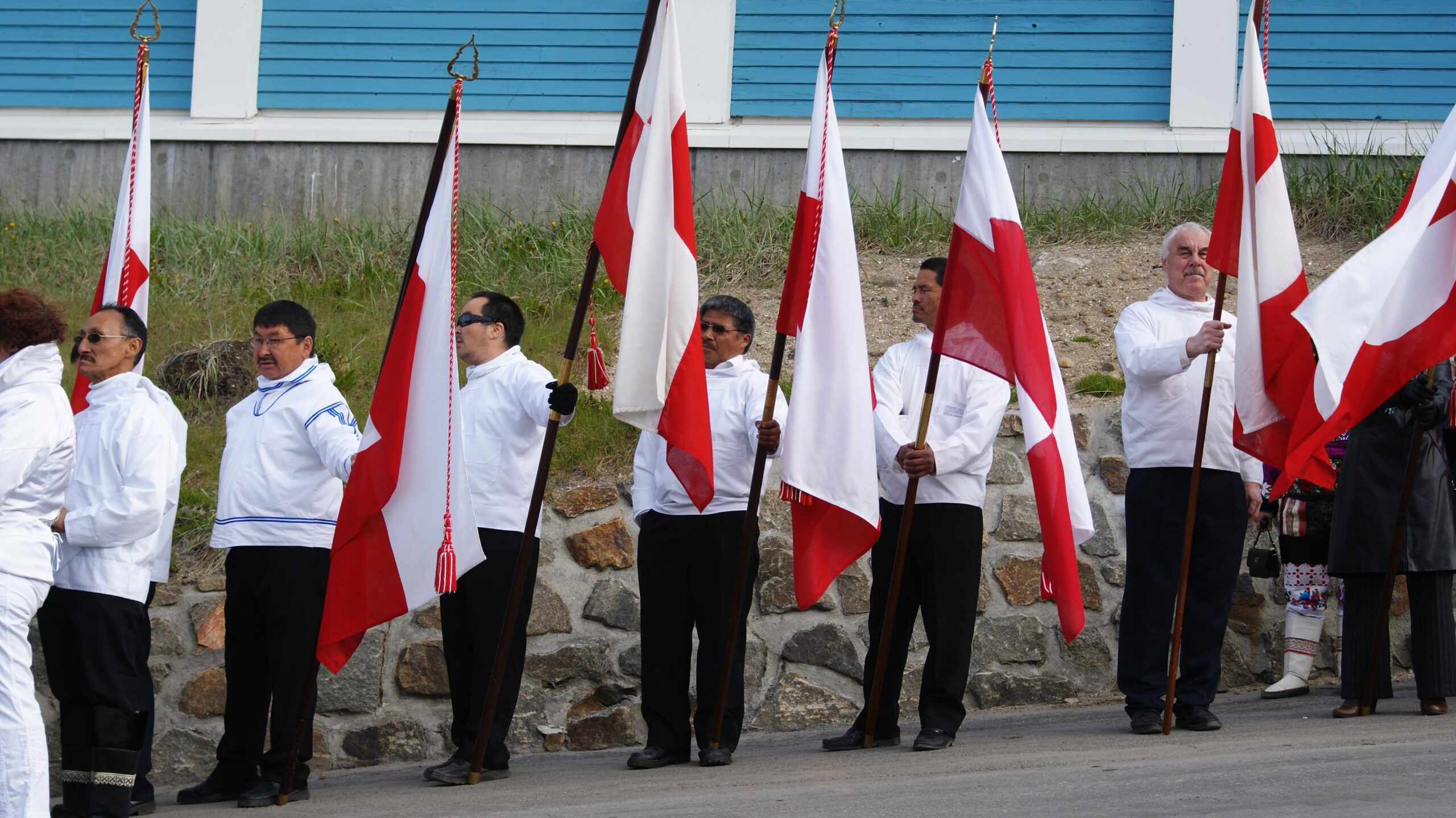
In a startling revelation that underscores the complex geopolitical dynamics in the Arctic region, Denmark has accused U.S. intelligence agencies of fueling separatist sentiments in Greenland. According to a report by EUobserver, these allegations come amid heightened tensions as global powers increasingly vie for influence over the resource-rich territory. As Greenland continues to navigate its relationship with Denmark and assert its autonomy, the implications of U.S. involvement in local politics raise questions about sovereignty, national security, and the intricate interplay of international interests in one of the world’s most strategically important areas. This article delves into the allegations, their historical context, and the potential ramifications for both Greenland and Denmark’s standing on the global stage.
US Intelligence Activities Fuel Tensions in Greenland Amid Danish Concerns
The revelation of U.S. intelligence operations in Greenland has sparked a diplomatic rift between Denmark and its autonomous territory, raising stark concerns about the implications of foreign influence on local governance. According to reports from Danish officials, activities purportedly fostered by U.S. agencies are not merely surveillance operations, but rather strategies aimed at stoking regional sentiments of independence among Greenlandic citizens. The Danish government perceives these actions as a direct challenge to their authority and a potential catalyst for undermining the fragile stability in a region that has long been associated with geopolitical interests due to its natural resources and strategic location.
Denmark’s apprehensions are compounded by the inclinations of several Greenlandic politicians toward increased autonomy or outright independence from the Danish crown. The ramifications of these events have prompted a broader conversation about foreign interventions in local governance structures. Key concerns include:
- Potential for Escalation: Increased local separatist movements may disrupt security and diplomatic relations.
- Strategic Importance: Greenland’s position in the Arctic makes it a focal point for global superpowers.
- Denmark’s Sovereignty: Actions perceived as meddling challenge national sovereignty and threaten unity.
This situation raises critical questions about the balance of power within the Danish Kingdom and the future trajectory of Greenland, especially as the global arena becomes increasingly competitive. As both nations navigate these complex waters, they must weigh their strategic interests against the historical ties that bind them.
Recommendations for Strengthening Danish Sovereignty and Promoting Regional Stability
In light of recent revelations regarding external influences in Greenland, it is crucial for Denmark to take proactive measures to fortify its sovereignty and ensure the stability of the Arctic region. This can be achieved through a multi-faceted approach that includes:
- Enhanced Local Governance: Empowering local authorities in Greenland to make decisions can help mitigate feelings of disenfranchisement and foster a sense of ownership among residents.
- Increased Economic Investment: Encouraging Danish businesses to invest in Greenland’s infrastructure and industries will not only promote economic stability but also solidify ties between mainland Denmark and the island.
- Collaborative Security Initiatives: Strengthening military presence and cooperation with NATO allies can deter any foreign intervention that seeks to exploit vulnerabilities in the region.
- Cultural Engagement Programs: Promoting cultural exchange and educational initiatives can build mutual respect and understanding, aligning local identities with a broader Danish narrative.
Moreover, Denmark should seek to broaden its diplomatic efforts within the European Union to address geopolitical challenges. Proposed strategies include:
| Strategy | Description |
|---|---|
| Increased EU Presence | Advocating for a more robust EU Arctic policy to ensure a unified stance on issues affecting the region. |
| Research Collaboration | Fostering joint research initiatives with EU members to address climate change and its impact on the Arctic. |
| Joint Defense Framework | Creating a framework for collaborative defense strategies among EU states to enhance regional security. |
In Conclusion
In conclusion, the revelation of alleged U.S. involvement in fomenting separatist sentiments within Greenland underscores the complex interplay of geopolitical interests in the Arctic region. As Denmark navigates the implications of these claims, the potential for strain in transatlantic relations comes into sharp focus. The Danish government’s response will be crucial in addressing both domestic concerns and broader international dynamics. As the situation develops, it will be imperative for all parties to engage in open dialogue to ensure stability and cooperation in an area fraught with strategic significance. The outcome could not only reshape local governance in Greenland but also redefine the contours of U.S.-Nordic relations, further complicating the already intricate geopolitical landscape of the Arctic.