
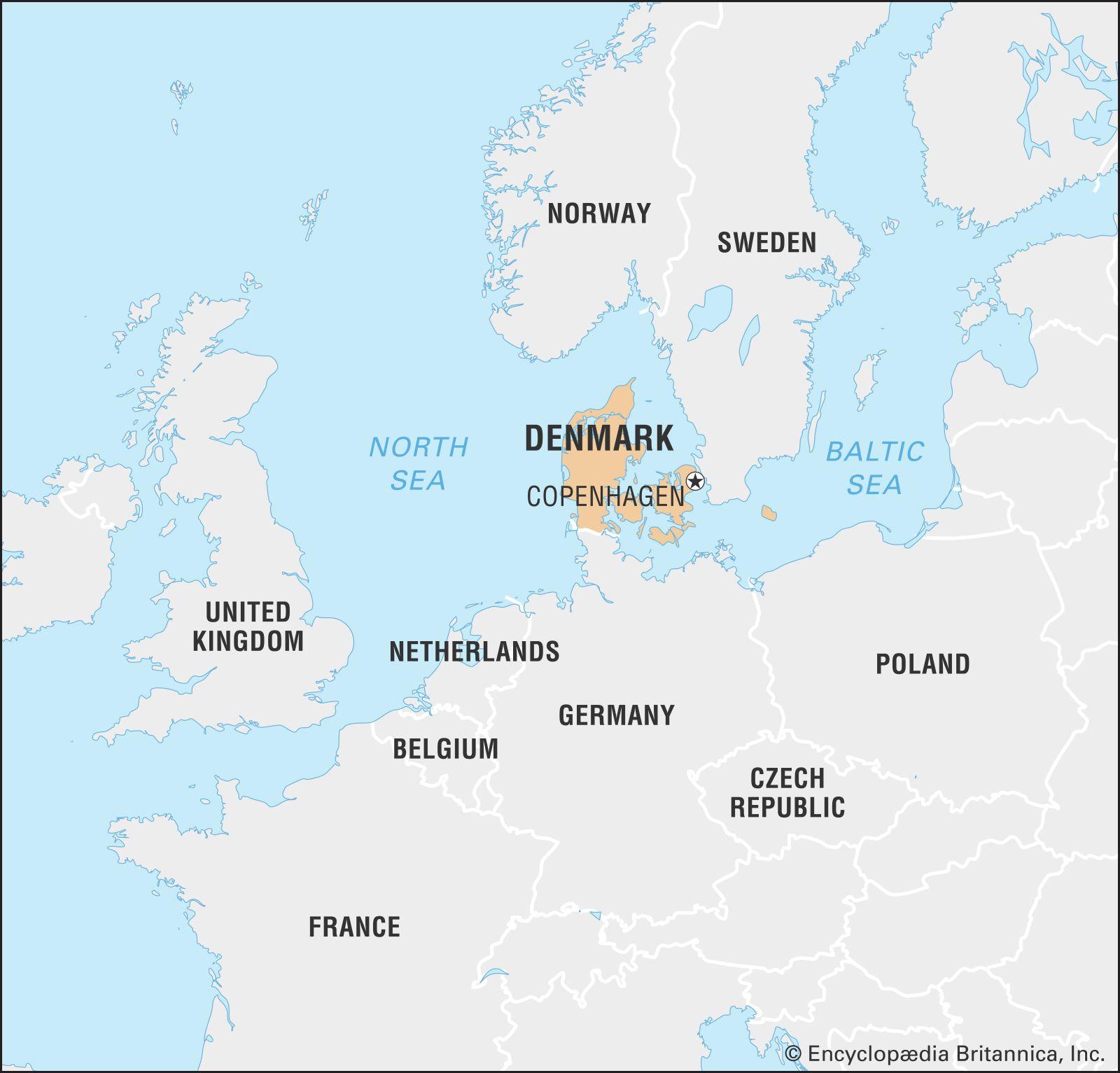
In a reinforcing display of sovereignty and diplomatic integrity, Denmark and Greenland have jointly issued a firm statement to the United States, emphasizing that any form of interference in their internal affairs is unequivocally unacceptable. The message comes amid heightened geopolitical tensions and discussions surrounding Arctic interests, where both nations assert their commitment to sovereignty and self-determination. As global powers increasingly turn their attention to the strategic significance of the Arctic region, the Danish-Greenlandic stance serves as a clarion call to respect the autonomy of nations, while also highlighting the intricate balance of power in contemporary international relations. This article explores the implications of their message, the historical context of Denmark and Greenland’s relationship with the U.S., and the broader geopolitical landscape that shapes these interactions.
Denmark and Greenland Assert Sovereignty in Response to US Interference Concerns
In a decisive move reflecting their commitment to territorial integrity, both Denmark and Greenland have publicly declared their stance against any form of U.S. interference in their domestic affairs. Amid rising tensions and international scrutiny, the two nations have emphasized the importance of maintaining their sovereignty and independence. This declaration comes in the wake of concerns raised regarding potential overreach by the U.S. government in matters that are seen as sensitive to the Arctic region. Key officials from both Denmark and Greenland have reiterated that any external attempts to exert influence will be met with strong opposition.
Officials have highlighted several critical areas where U.S. involvement could potentially disrupt local governance and cultural identity. Key points of concern include:
- Resource Management – Maintaining control over natural resources in the Greenlandic region is seen as vital for local economic growth.
- Cultural Preservation – Upholding the rights and traditions of the Greenlandic people against foreign pressures remains a priority.
- Strategic Military Presence – Ensuring that any military cooperation does not compromise their autonomy or violate national agreements.
| Issue | Denmark’s Position | Greenland’s Response |
|---|---|---|
| U.S. Influence | Rejects any form of external control | Emphasizes local decision-making |
| Resource Control | Supports national management frameworks | Pushing for increased local involvement |
| Cultural Identity | Protects historical ties and heritage | Advocates for indigenous rights and representation |
Strategic Recommendations for Enhancing Transatlantic Relations and Respecting Regional Autonomy
To foster a robust partnership between the United States and the Kingdom of Denmark, particularly in relation to Greenland, a series of strategic measures must be embraced. These measures should prioritize mutual respect for regional autonomy while encouraging collaborative dialogue. Key recommendations include:
- Establishing Clear Communication Channels: Create regular diplomatic dialogues that allow for the exchange of ideas and concerns, ensuring that the voices of both Danish and Greenlandic leaders are heard.
- Encouraging Economic Collaboration: Promote initiatives that support sustainable development in Greenland, making use of American expertise in renewable energy and technology, while involving local communities in the decision-making processes.
- Protecting Greenland’s Sovereignty: Reinforce commitments to uphold Greenland’s right to self-determination, ensuring that any ventures involving external parties respect the wishes of the Greenlandic people.
Furthermore, to enhance stability and transparency within transatlantic relations, it is essential to implement a framework that addresses potential areas of tension. A collaborative approach involving multiple stakeholders could yield beneficial results. A proposed framework could include:
| Area of Focus | Proposed Action |
|---|---|
| Security Cooperation | Joint exercises focusing on Arctic readiness |
| Cultural Exchange | Facilitate programs promoting Greenlandic heritage in the U.S. |
| Environmental Protection | Collaborative research on climate change impacts |
Closing Remarks
In conclusion, the unfolding dialogue between Denmark and Greenland underscores a growing sentiment of sovereignty and self-determination that resonates deeply within the Arctic region. As both nations assert their stance against external interference, particularly from the United States, they highlight the importance of mutual respect and collaboration based on established international norms. This latest development not only reflects the geopolitical dynamics at play in the Arctic but also serves as a reminder of the need for transparent and consensual relationships between nations, especially within areas rich in resources and strategic significance. As the world watches, Denmark and Greenland’s firm message may well set a precedent for future international interactions, emphasizing that any attempts at interference will be met with resolute opposition.









