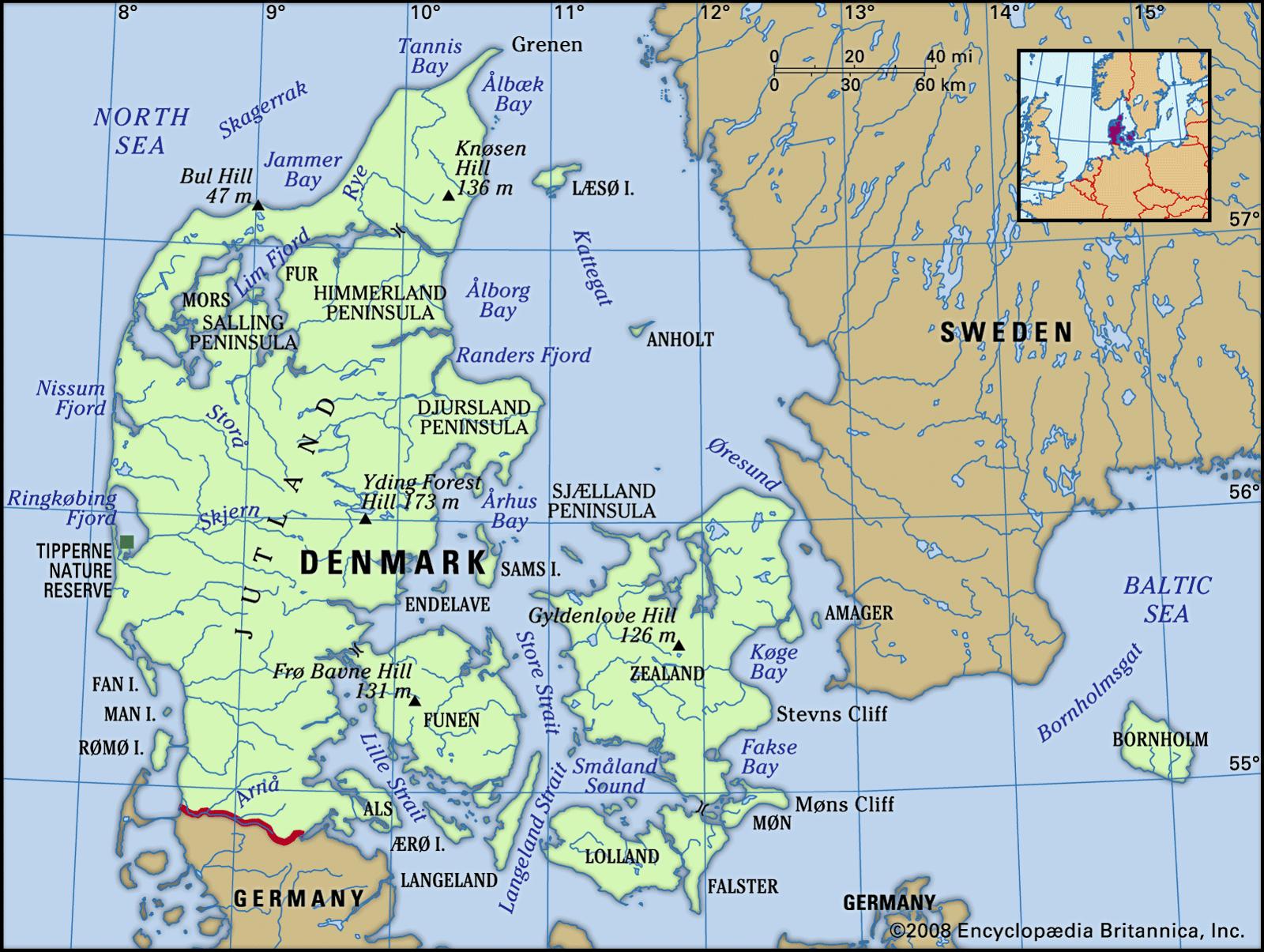
In a significant diplomatic move, Denmark has summoned a U.S. diplomat following allegations of an influence campaign in Greenland, a territory that has garnered increased attention due to its strategic importance and abundant natural resources. This development reflects rising tensions between the two nations, as questions arise about the role of foreign powers in Greenland’s governance and sovereignty. The incident follows a series of discussions regarding economic partnerships and geopolitical interests in the Arctic region, escalating concerns over external interference in the evolving dynamics of Greenland’s political landscape. The controversy highlights the complexities of international relations in a rapidly changing world, raising critical questions about the balance of power and influence in this vital area.
Denmark Confronts U.S. Diplomacy: Allegations of Influence Campaign Raise Concerns Over Greenland’s Autonomy
The diplomatic landscape between Denmark and the United States is currently under scrutiny following allegations of a covert influence campaign aimed at Greenland, the autonomous territory under Danish sovereignty. The Danish government has expressed serious concerns regarding reports that U.S. diplomats may have sought to sway local governance and public opinion in favor of American interests. Such actions, if confirmed, could have far-reaching implications on Greenland’s autonomy and its strategical significance amid geopolitical tensions in the Arctic region. In a bold response to these allegations, Denmark has summoned a senior U.S. diplomat to discuss the matter directly, signaling a potential strain in relations between two longstanding allies.
Critics argue that any perceived interference in Greenland’s political processes undermines the territory’s self-governance and risks igniting a contentious debate over foreign influence in local matters. Important aspects of this situation include:
- Greenland’s Resource Wealth: The territory is rich in minerals and oil reserves, attracting international interest.
- Strategic Military Interests: The Arctic region is increasingly important for military positioning, particularly for the U.S. and Russia.
- Local Sentiments: There is a growing desire among Greenlanders for increased independence from Danish control.
The potential ramifications extend beyond mere diplomatic tensions. A recent survey conducted in Greenland indicated a shifting national identity, with many residents increasingly identifying more with global or regional alliances than with their colonial past. This evolving identity can be illustrated in the following table:
| Independence Sentiment | Percentage of Respondents |
|---|---|
| Strongly Support Independence | 42% |
| Indifferent/Unsure | 30% |
| Prefer Remain with Denmark | 28% |
As Denmark navigates this complex diplomatic challenge, the eyes of the international community remain fixed on how this situation unfolds, with implications for Greenland’s future and its international relationships. The increasing call for transparency and respect for autonomy may redefine both Denmark’s approach to its territories and the broader power dynamics in the Arctic.
Navigating Future Relations: Recommendations for Strengthening Danish-American Ties Amidst Geopolitical Tensions
The recent summons of a U.S. diplomat by Denmark over allegations of an influence campaign in Greenland underscores the complexities of diplomatic relations in the Arctic region. As tensions flare, both nations must navigate these challenges with a view towards collaboration. Recommendations for improving ties between Denmark and the United States include:
- Enhanced Communication: Establish regular dialogue between diplomatic channels to address concerns proactively.
- Cultural Exchanges: Promote programs that foster understanding and mutual respect through education and cultural initiatives.
- Joint Security Initiatives: Collaborate on Arctic security measures to ensure both nations’ interests are safeguarded in the face of growing geopolitical competition.
- Strategic Economic Partnerships: Explore avenues for partnership in sustainable energy and resource management, benefitting both countries economically and environmentally.
Moreover, understanding the strategic significance of Greenland can pave the way for a more robust partnership. The table below highlights key aspects of U.S.-Danish cooperation that could help mitigate tensions:
| Area of Cooperation | Potential Benefits |
|---|---|
| Defense Collaboration | Improved readiness against emerging threats |
| Environmental Research | Joint efforts in climate change mitigation |
| Trade Agreements | Increased economic growth through mutual investment |
To Wrap It Up
In conclusion, the recent summoning of a U.S. diplomat by Denmark underscores the escalating tensions between the two nations amid allegations of a covert influence campaign concerning Greenland. As geopolitical dynamics shift and countries vie for strategic partnerships in the Arctic region, this incident highlights the nuances of diplomacy and the importance of transparency in international relations. The repercussions of these actions could have lasting implications for U.S.-Denmark relations and set the stage for further scrutiny of foreign influence in fragile regions. As the situation develops, both countries must navigate this complex issue with care to maintain the integrity of their longstanding alliance.