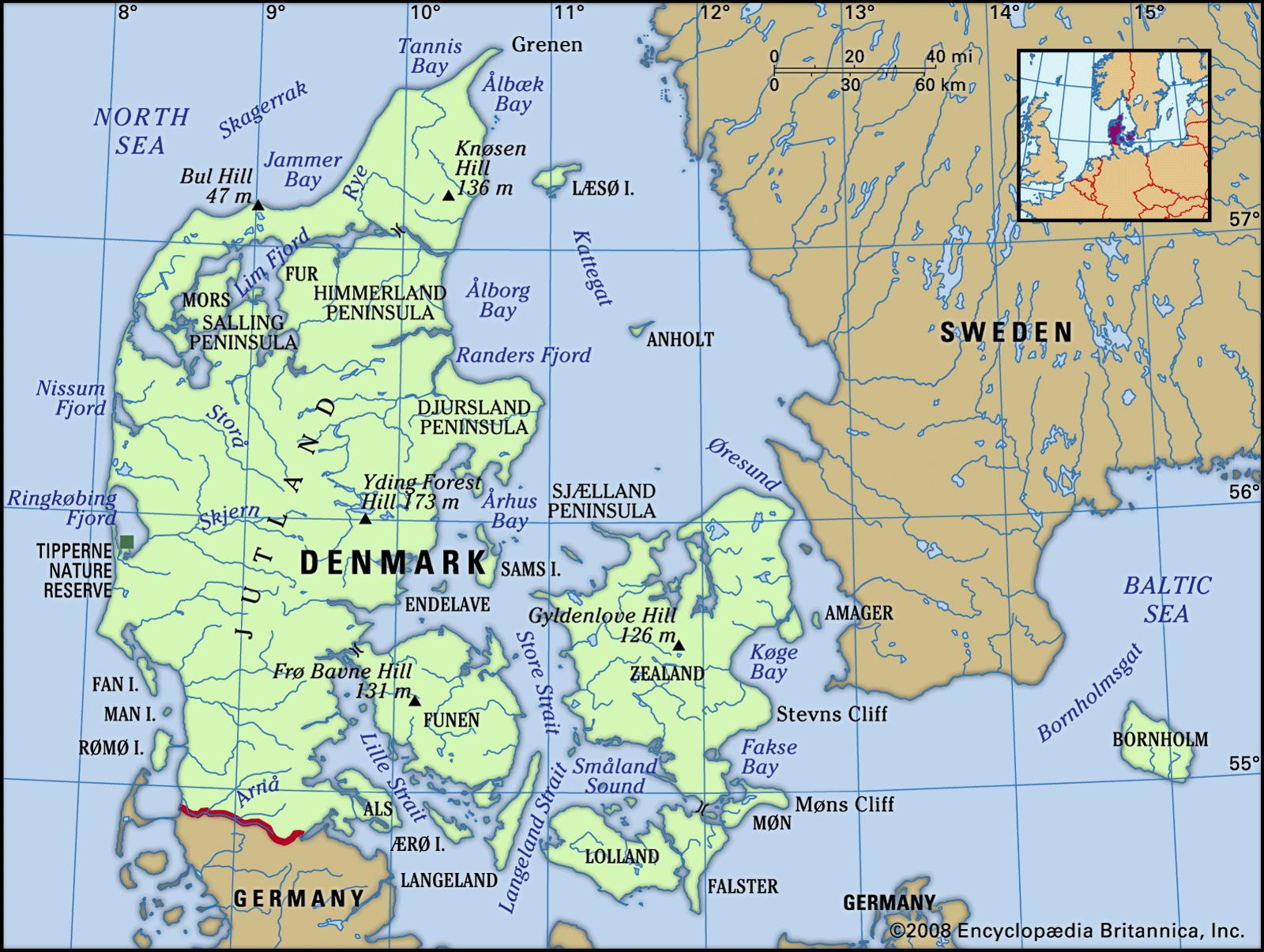
In a significant diplomatic gesture, Denmark has summoned a senior U.S. diplomat to address concerns over what it perceives as American attempts to exert undue influence in Greenland. The move underscores rising tensions surrounding geopolitical interests in the Arctic region, where both nations are navigating a complex interplay of power, resources, and indigenous rights. As Greenland’s strategic importance escalates amid climate change and potential resource access, the Danish government is taking a firm stance to safeguard its autonomy and national interests. This development comes amidst a backdrop of heightened scrutiny on foreign engagements within the region, raising questions about sovereignty, international relations, and the future of Greenland’s governance.
Denmark Confronts US Diplomatic Maneuvers Amidst Greenland Sovereignty Concerns
In a notable diplomatic move, Denmark has summoned a senior US diplomat to address growing concerns regarding American efforts to increase its influence in Greenland. This significant step comes in the wake of revelations about the US’s intensified focus on the Arctic region, particularly as competition for resources and geopolitical positioning heats up. The meeting highlights Denmark’s unease over perceived attempts by the US to encroach upon Greenland’s sovereignty, with Danish officials emphasizing the importance of respecting the island’s autonomy in discussions about future development and potential resource exploitation.
As the geopolitical landscape shifts, Greenland’s strategic location and vast natural resources have made it a focal point for both US and Chinese interests. The Danish government has outlined its commitment to fostering a collaborative relationship with local authorities in Greenland, ensuring that any foreign involvement aligns with the aspirations and welfare of Greenlandic communities. Key issues presented during the discussions include:
- Resource Management: Emphasizing local control over mineral and fishing resources.
- Sovereignty: Clear boundaries regarding international diplomatic engagement.
- Environmental Protections: Aligning foreign investments with climate goals.
Furthermore, as the global focus on the Arctic intensifies, the need for a well-coordinated and respectful approach to diplomatic engagements becomes paramount. Denmark seeks to establish a framework that balances international interests with the rights and desires of its autonomous territory, ensuring that Greenland’s future is shaped by its people rather than external powers.
Strategies for Building Transparent US-Denmark Relations in the Arctic Region
To foster transparent relations between the US and Denmark in the Arctic, both nations need to prioritize open dialogue and cooperation on critical issues impacting the region. This can be achieved through regular diplomatic meetings and high-level summits that focus specifically on Arctic policies, which would facilitate a better understanding of each country’s strategic interests. Furthermore, establishing a framework for joint initiatives on climate change, resource management, and indigenous rights can enhance trust and collaboration. By doing so, both countries can benefit from shared expertise and experiences, fostering a sense of unity in addressing the challenges posed by the rapidly changing Arctic landscape.
Additionally, the incorporation of local stakeholders and indigenous voices in decision-making processes is essential. Engaging with community leaders and organizations not only promotes transparency but also ensures that policies are culturally appropriate and beneficial to those directly affected. Possible strategies include:
- Joint Research Projects: Collaborate on scientific studies that involve local populations, focusing on sustainability and environmental protection.
- Public Awareness Campaigns: Launch initiatives to educate both Americans and Danes about Arctic issues, emphasizing shared responsibilities.
- Inclusive Policy Forums: Create platforms for open discussions that bring together government officials, scientists, and local communities.
| Key Areas of Cooperation | Potential Initiatives |
|---|---|
| Climate Change | Joint monitoring programs and response strategies |
| Resource Management | Collaborative agreements on fishing and mineral extraction |
| Security | Joint military exercises focused on Arctic operations |
Final Thoughts
In conclusion, Denmark’s decision to summon a U.S. diplomat underscores the growing tensions surrounding international influence in Greenland, a territory of strategic importance in the Arctic region. As the dynamics of global power shift and the race for resources intensifies, the implications of such diplomatic exchanges may extend beyond bilateral relations, affecting international cooperation in the Arctic. Both nations will need to navigate these complex issues with care, balancing national interests while fostering dialogue. As developments unfold, the world will be watching to see how this diplomatic dispute shapes the future of Greenland and the geopolitical landscape of the Arctic.