
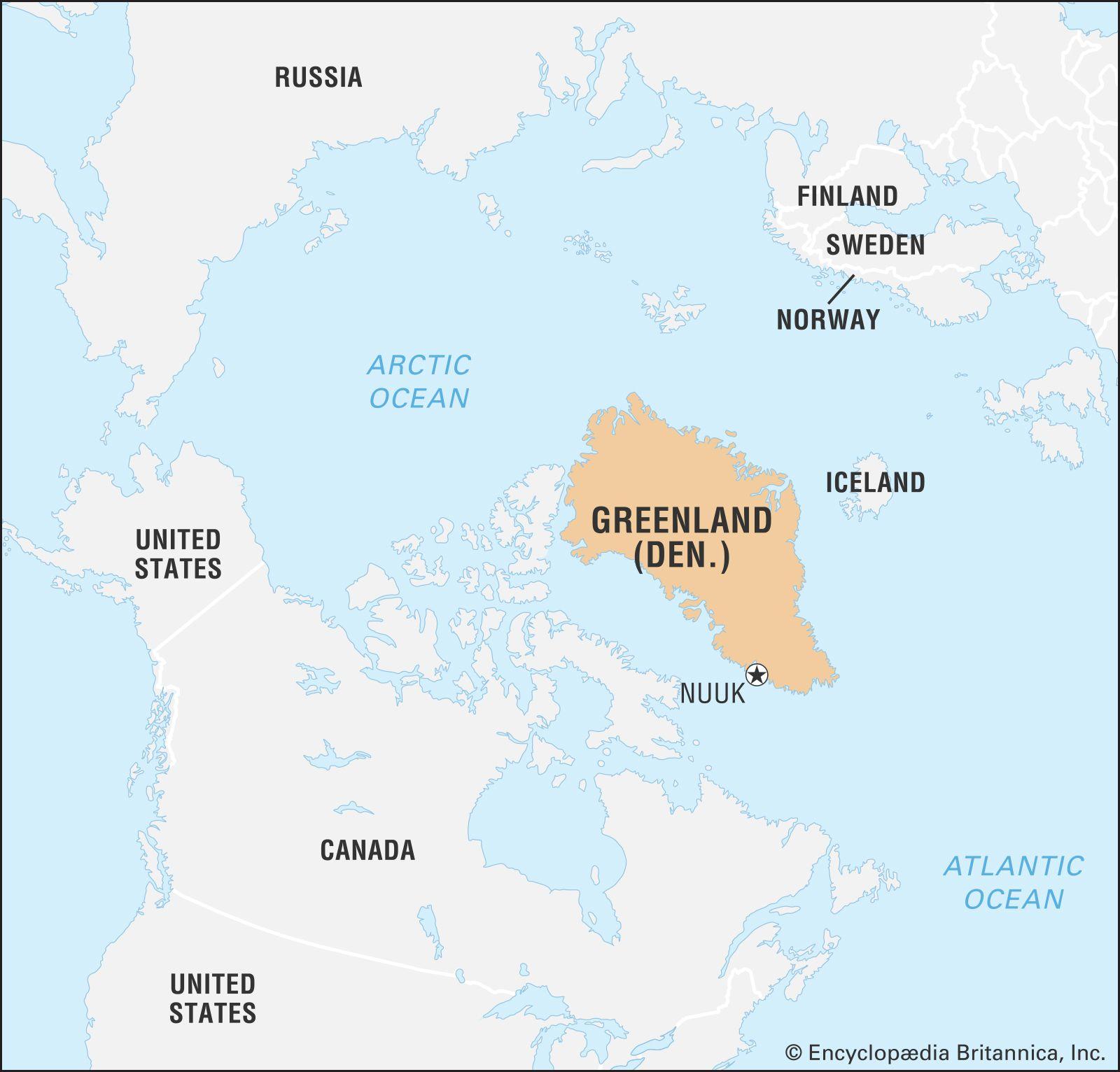
In an era marked by increasing geopolitical tensions, Greenland has emerged as a focal point of international intrigue and competition. The world’s largest island, long overshadowed by its icy terrain and sparse population, is now being recognized for its strategic significance, particularly as climate change opens new shipping routes and exposes valuable natural resources. With global powers keenly eyeing its vast mineral wealth and key geographical position, the question arises: what makes Greenland a strategic prize at this pivotal moment, and why are nations prioritizing their interests in the region now? As military posturing escalates and diplomatic negotiations intensify, this article explores the multifaceted reasons behind Greenland’s newfound prominence on the world stage and the implications it holds for regional and global stability.
Greenland’s Geopolitical Significance Amid Escalating Global Tensions
As global powers jockey for position in an increasingly multipolar world, Greenland’s vast natural resources and strategic location have made it a focal point of interest. Its ice-covered terrain conceals significant reserves of minerals, rare earth elements, and hydrocarbons, which are becoming more accessible as climate change melts the Arctic ice. This opens up potential for energy independence and resource acquisition for nations like the United States and China, who are both keen to assert dominance in the Arctic region. With entire supply chains increasingly relying on stable access to raw materials, Greenland’s resources pose a compelling argument for its geopolitical importance.
Furthermore, Greenland’s geographical positioning is pivotal in military strategizing and logistics. Situated between North America and Europe, its vast coastlines offer prime locations for surveillance and early warning systems against potential threats. The island’s air bases, including Thule Air Base, are crucial assets for any nation seeking to maintain aerial dominance or respond quickly in times of conflict. The ongoing tension between the U.S. and China, alongside Russia’s assertiveness in the Arctic, underscores the urgency of securing Greenland’s allegiance or access.
| Factor | Significance |
|---|---|
| Natural Resources | Minerals and hydrocarbons beneath the ice. |
| Strategic Location | Key naval and aerial routes between continents. |
| Climate Change | Increased access to previously unreachable areas. |
| Military Presence | Support for surveillance and defense initiatives. |
Navigating the Future: Strategic Recommendations for Engaging with Greenland
In light of the evolving geopolitical landscape, engaging with Greenland requires a multifaceted strategy that acknowledges its unique position. Stakeholders should prioritize diplomatic relationships with the Arctic nation, focusing on fostering mutual interests through trade agreements and environmental collaborations. Key strategic areas to consider include:
- Resource Management: Collaborate on sustainable extraction techniques to optimize Greenland’s rich mineral deposits.
- Environmental Protection: Partner on climate initiatives, ensuring that economic development does not compromise the fragile Arctic ecosystem.
- Cultural Respect: Engage with indigenous communities to respect their rights and integrate their perspectives into development plans.
Furthermore, enhancing military presence in the region may be vital for national security, but it should be balanced with diplomatic efforts to avoid escalating tensions. Establishing joint training exercises with Greenlandic forces can build trust and enhance operational readiness. To visualize potential avenues for engagement, consider the table below, which outlines key focus areas and their strategic impacts:
| Focus Area | Strategic Impact |
|---|---|
| Infrastructure Development | Boosts economic growth and connects remote areas. |
| Scientific Research | Enhances understanding of climate change and ecological systems. |
| Tourism Promotion | Strengthens cultural exchange and economic diversification. |
The Conclusion
In conclusion, Greenland’s geographical significance, vast natural resources, and strategic positioning amid shifting geopolitical dynamics render it a focal point of interest for global powers. As tensions escalate in an increasingly multipolar world, the island’s potential as a frontline in the competition for dominance is undeniable. With the Arctic melting and access to its resources becoming more feasible, nations are compelled to reassess their strategies and alliances. As we observe the unfolding situation, it is clear that Greenland stands at the crossroads of environmental change and political maneuvering, making it a critical arena for international relations in the years to come. The urgency of the moment cannot be overstated-what lies ahead for Greenland will not only shape its future but could also redefine the global balance of power.











