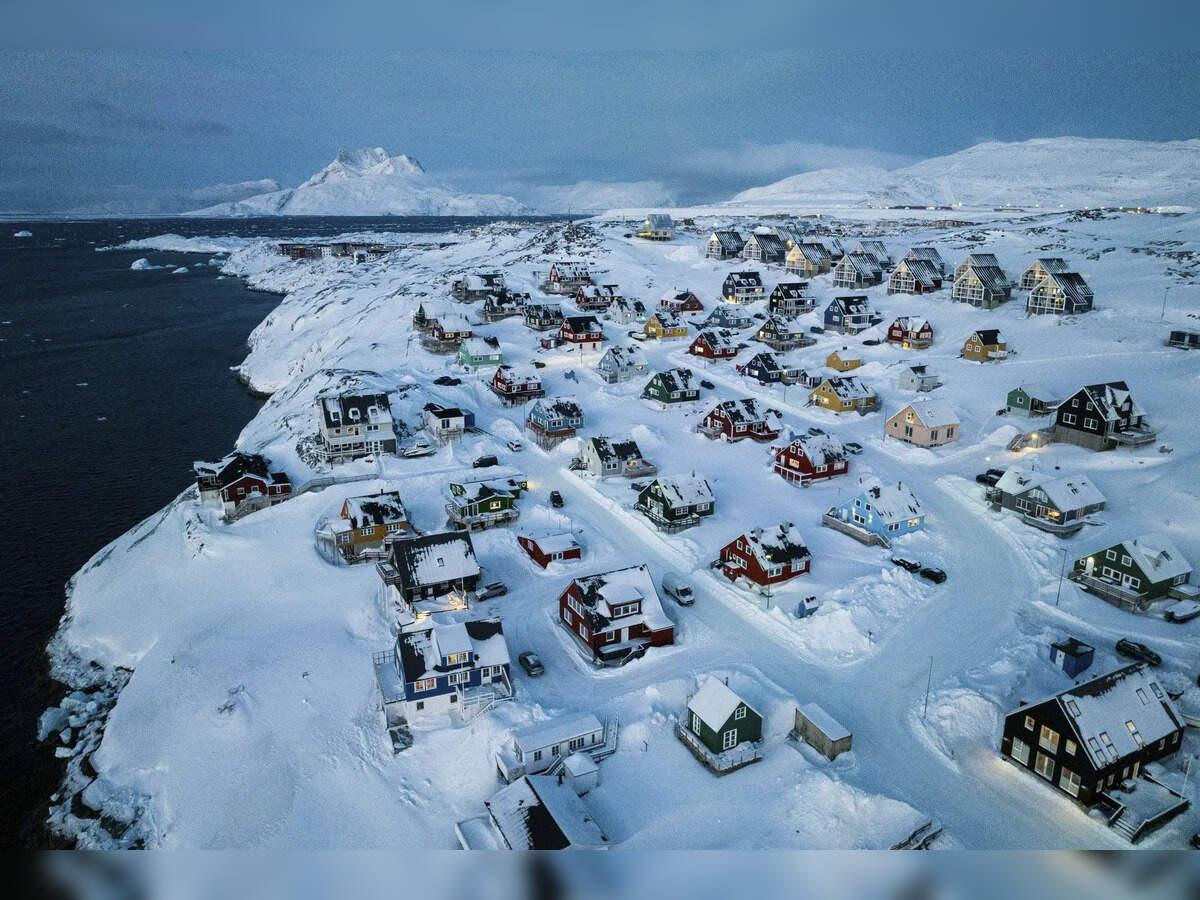
Why Greenland is More Important to the US Than Ever
As global geopolitics continues to shift, the strategic significance of Greenland emerges as a focal point for American interests. With its vast natural resources, critical military positioning, and essential role in climate change research, the island is becoming increasingly vital to U.S. national security and economic stability. In the face of rising tensions with global powers and the impacts of a rapidly warming climate, Greenland’s influence on American foreign policy is poised to grow. This article delves into the multifaceted reasons why Greenland is no longer just a remote ice-covered territory, but a key player in the United States’ future strategy on the world stage.
Greenland’s Strategic Role in Geopolitical Stability and Climate Change Mitigation
As global tensions mount and climate crises escalate, Greenland’s position as a significant geopolitical player has come into sharp focus. This vast island’s strategic location between North America and Europe makes it a crucial hub for military operations and surveillance, particularly in the context of Arctic accessibility. The U.S. military has increasingly recognized the necessity of having a fortified presence in the Arctic, particularly as new shipping routes emerge and nations vie for access to untapped resources. Key factors reinforcing Greenland’s importance include:
- Military Significance: Proximity to Russian and Chinese activities.
- Resource Availability: Potential oil, gas, and mineral deposits.
- Climate Research: Insights into melting ice caps and rising sea levels.
Furthermore, the urgency of climate change necessitates a collaborative approach to mitigate its effects on both a local and global scale. Greenland’s glaciers offer critical data for understanding global climate patterns and their implications. The island is not only a barometer for climate health but also serves as a platform for international cooperation on environmental issues. Countries, including the U.S., are increasingly investing in sustainable projects and renewable energy initiatives that could set a precedent for addressing climate challenges worldwide. In this context, Greenland’s role can be summarized in the following table:
| Role | Significance |
|---|---|
| Climate Monitoring | Key to understanding global climate change |
| Resource Management | Control over future energy resources |
| Strategic Military Base | Ensures security and presence in the Arctic |
Wrapping Up
As the geopolitical landscape continues to shift, Greenland’s significance to the United States becomes increasingly pronounced. From strategic military positioning to the rich natural resources that lie beneath its icy surface, the island is a pivotal player in the broader context of global competition and climate change. As Washington reassesses its foreign policy priorities, it must recognize that strengthening ties with Greenland not only benefits U.S. strategic interests but also supports the preservation of the unique environment and culture of the island’s people. In an era where Arctic dynamics are evolving rapidly, Greenland stands at the crossroads of opportunity and challenge, and its importance to the U.S. is undeniable. Moving forward, fostering collaboration and understanding will be crucial in navigating this complex relationship that holds the potential to shape the future of both nations.