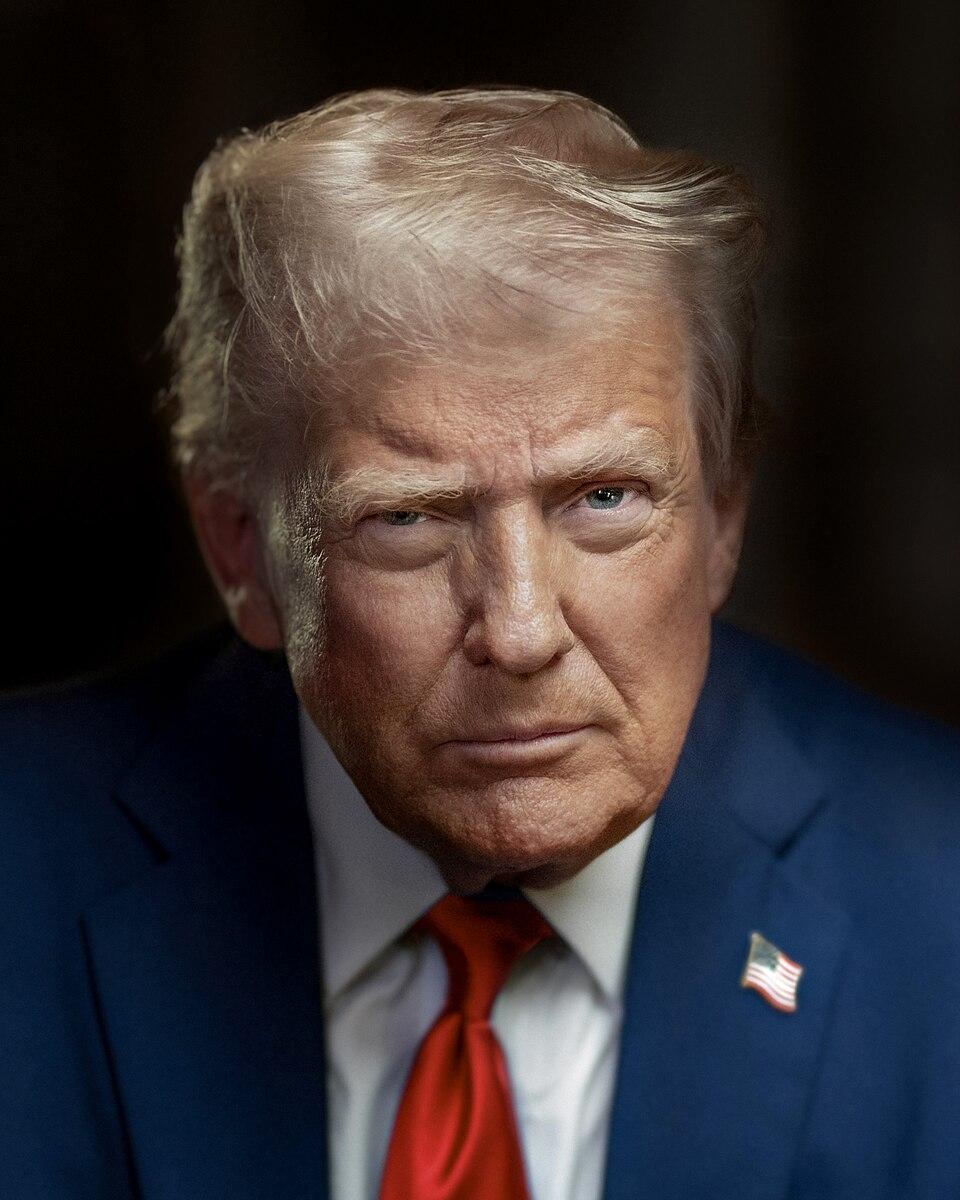
In recent years, the prospect of U.S. interest in Greenland has resurfaced, sparking discussions about the strategic implications of this vast, resource-rich territory. President Donald Trump’s fascination with Greenland, which includes its military significance, abundant rare minerals, and potentially crucial trade routes, has raised eyebrows both domestically and internationally. As tensions in geopolitics escalate and competition for resources intensifies, understanding the multifaceted motivations behind this interest is more critical than ever. This article delves into the reasons why the Arctic island, with its vast wealth and strategic location, has captured the attention of the Trump administration, shaping a narrative that intertwines national security, economic opportunity, and geopolitical strategy.
Strategic Military Interests and Environmental Implications of Trump’s Greenland Ambitions
In pursuit of strategic military interests, the proposal to acquire Greenland highlights pivotal geopolitical considerations. The island’s geographical position serves as a crucial asset for the United States in bolstering defense capabilities in the Arctic region. Key factors driving these military ambitions include:
- Enhanced Surveillance: Proximity to Russia and the North Atlantic enhances monitoring of military activities.
- Strategic Bases: Potential establishment of military bases to project power and facilitate logistics in Arctic operations.
- Partnerships: Strengthening ties with NATO allies and Arctic nations improves cooperative defense initiatives.
However, these military endeavors come with significant environmental implications that warrant careful consideration. The drive for increased military presence in Greenland could lead to detrimental impacts on the fragile Arctic ecosystem. Possible consequences include:
- Disruption of Wildlife: Increased human activity may threaten native species and their habitats.
- Pollution Risks: Military installations and operations could introduce contaminants into pristine environments.
- Climate Change Acceleration: Enhanced infrastructure development may exacerbate climate issues already facing the region.
Unlocking Greenland’s Resource Potential and Enhancing Global Trade Dynamics
Greenland’s vast, untapped resources present a unique opportunity for enhancing global economic dynamics and securing geopolitical interests. With an estimated potential of significant mineral deposits, including rare earth elements like neodymium and lithium, Greenland has drawn attention not just from the U.S. but also from global powers seeking to diversify their resource supply chains. Countries are increasingly focused on reducing their reliance on traditional suppliers, making Greenland’s role as a provider of essential minerals even more pivotal. As climate change opens previously inaccessible areas, the potential for mining operations raises questions about environmental impact and sustainable practices, adding layers of complexity to resource exploitation.
In addition to its mineral wealth, Greenland’s strategic location along key maritime routes enhances its value in international trade. As melting ice caps reshape shipping lanes, the Arctic region is becoming a vital passage for goods between Europe, North America, and Asia. The prospect of shorter shipping times presents an attractive incentive for nations looking to boost trade efficiency. Key stakeholders are considering the implications of increased trade routes on military logistics and regional security, ensuring that the geopolitical landscape remains stable amidst growing competition for Arctic resources.
The Conclusion
In conclusion, President Trump’s interest in Greenland underscores a multifaceted strategic vision that extends beyond mere acquisition. As the global landscape shifts, the emphasis on military security, access to rare minerals, and control of emerging trade routes highlights the complexities of modern geopolitics. While the prospect of acquiring Greenland may seem far-fetched to some, it reflects a broader trend among nations seeking to secure their interests in an increasingly competitive world. As discussions surrounding this potential acquisition evolve, it is clear that the implications resonate beyond Greenland’s shores, shaping relationships between the United States and its international partners. The unfolding narrative invites further scrutiny and debate, as experts warn of the potential consequences of pursuing territorial ambitions in a delicate global environment. The coming months will be pivotal, as both policymakers and the public grapple with the implications of such a bold geopolitical maneuver.