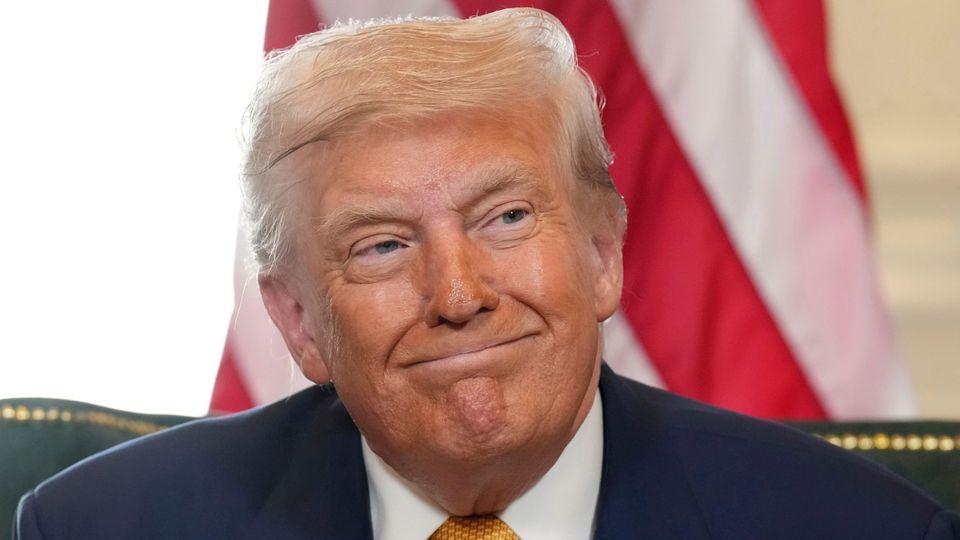
In a recent declaration that has reignited discussions around U.S. territorial ambitions, former President Donald Trump expressed his belief that the United States will ultimately acquire Greenland. This statement, made during an interview, reflects ongoing interest in the strategic Arctic territory, which Denmark has maintained sovereignty over for more than 300 years. Trump’s earlier attempts to purchase Greenland in 2019 met with swift rejection from both Greenlandic and Danish officials, yet his assertion highlights a persistent undercurrent of geopolitical interest in the region. As debates over climate change, military positioning, and resource accessibility intensify, Trump’s comments prompt a reevaluation of America’s relationship with Greenland and its implications on international diplomacy. This article explores the history of U.S.-Greenland relations, the significance of Trump’s remarks, and the broader context in which these conversations are taking place.
Donald Trump’s Vision for Greenland: Analyzing the Strategic Implications for US Foreign Policy
During his presidency, Donald Trump’s interest in Greenland was often perceived through the lens of American expansionism. The idea of acquiring Greenland, a territory of Denmark, was not merely about the land but rather about what it represented strategically. Trump’s vision highlighted several potential benefits for the United States, including:
- Geopolitical Leverage: Control over Greenland could provide the U.S. with a stronger foothold in the Arctic, an area of increasing military and economic significance as global warming opens new trade routes.
- Natural Resources: Greenland is rich in minerals and natural resources, which could support America’s energy independence and economic interests.
- Military Base Potential: Establishing military installations in Greenland could enhance the U.S. military’s ability to monitor Russian activities in the Arctic.
The strategic implications of this ambition extended beyond the immediate benefits of acquiring land. Trump’s proposition raised questions about the future of U.S.-Denmark relations and the overall perception of U.S. foreign policy. An analysis of the broader context reveals that:
| Implication | Description |
|---|---|
| Diplomatic Strain | Claiming Greenland could sour relations with Denmark and cause ripples within the European Union. |
| Regional Stability | Militarizing the Arctic could escalate tensions with other nations, particularly Russia and China, in the strategically vital region. |
| Domestic Perception | Such a pursuit could be viewed domestically as an overreach or a distraction from pressing national issues. |
Navigating Diplomatic Channels: Recommendations for a Constructive Approach to Greenland’s Future Engagement
As the geopolitical interest in Greenland intensifies, particularly following remarks from key political figures, it’s essential to adopt a diplomatic approach that prioritizes collaboration and mutual respect. Establishing strong diplomatic channels involves actively engaging with Greenland’s government and local communities to foster understanding and goodwill. Crucial recommendations for a constructive engagement include:
- Respecting Sovereignty: Acknowledging Greenland’s autonomy is paramount in any discussions of future relations.
- Investment in Infrastructure: Supporting sustainable development projects can demonstrate genuine commitment to Greenland’s prosperity.
- Cultural Exchange Programs: Facilitating cultural awareness initiatives can bridge gaps between nations and strengthen ties.
- Environmental Collaboration: Joint efforts on climate change and environmental protection can serve as a foundation for deeper cooperation.
Moreover, strategic communication is crucial for navigating potential misunderstandings. Open dialogue should not only address the concerns of Greenlandic citizens but also include transparent discussions about the genuine intentions behind foreign interest. A framework for dialogue could be established through:
| Dialogue Element | Description |
|---|---|
| Regular Summits | Annual meetings to discuss progress and address concerns from both parties. |
| Advisory Committees | Incorporating Greenlandic leaders in advisory roles to guide foreign engagements. |
| Public Forums | Open forums for citizens to voice opinions and engage directly with representatives. |
Future Outlook
In conclusion, Donald Trump’s assertion that he believes the United States will “get Greenland” reflects a continued interest in the strategic and economic significance of the Arctic territory. While the comments have sparked debate over U.S. foreign policy and territorial ambitions, they also highlight the complexities of international relations and the sensitivities surrounding discussions of sovereign territories. As Greenland remains firmly under Danish control, it will be essential for policymakers to navigate these discussions with an emphasis on diplomacy and respect for the rights of Greenlandic people. Going forward, the implications of such statements will undoubtedly warrant close attention as global dynamics in the Arctic region evolve.