
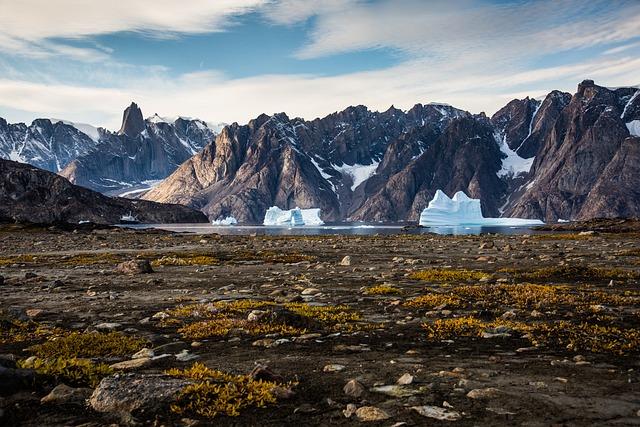
America’s Long History of Trying to Acquire Greenland: A Look at the Unfolding Narrative
In a move that could reshape geopolitical boundaries, discussions surrounding the acquisition of Greenland have resurfaced, reigniting an age-old narrative rooted in America’s ambitions. From President Andrew Johnson’s 1867 purchase of Alaska to President Donald Trump’s controversial proposal in 2019, the quest for Greenland has been marked by intrigue, geopolitical strategy, and a dash of whimsy. As Denmark’s autonomous territory continues to attract interest for its vast natural resources and strategic location, this article delves into the historical efforts and motivations behind America’s longing for Greenland. Through a comprehensive examination of past proposals, diplomatic overtures, and the implications of potential future scenarios, we explore how this icy land has captured the American imagination for over a century and what it could mean for international relations in the 21st century.
America’s Strategic Interests in Greenland Through the Decades
Throughout the decades, the strategic significance of Greenland to America has evolved, shaped by global events and changing geopolitical landscapes. During World War II, Greenland served as a vital staging ground for U.S. military operations, providing a crucial link between the U.S. and Europe. The establishment of airbases allowed for crucial reconnaissance and intelligence gathering, positioned to counter the Nazi threat in the Atlantic. Post-war, Greenland’s location continued to be integral during the Cold War, as it afforded the U.S. a front-row seat to Soviet movements across the Arctic. This strategic importance led to various defense agreements, which reinforced U.S. military presence on the island.
In more recent decades, the focus on Greenland has shifted towards economic and environmental interests. With the melting Arctic ice, new shipping routes and potential natural resource reserves have captured attention, prompting considerations of Greenland’s role in future energy access and climate change implications. The U.S. has expressed interest in fostering closer ties to help support the economic development of the island while securing its own interests in the region. Additionally, Geopolitical Rivalries have re-emerged as both China and Russia have sought to increase their influence in the Arctic, underscoring the importance of Greenland in America’s long-term strategic planning. Sifting through these interests reveals a complex tapestry of military, economic, and environmental factors that have made Greenland a focal point for U.S. policy through the decades.
Evaluating the Implications of U.S. Acquisition Attempts on Geopolitical Stability
The longstanding interest of the United States in Greenland has significant implications for geopolitical stability, particularly given the island’s strategic location between North America and Europe. This interest has manifested through several attempted acquisitions, which reflect broader themes of territorial expansion and strategic positioning in the Arctic. The motivations behind these acquisition attempts can be attributed to a mix of economic interests, military strategy, and resource accessibility. As the Arctic region continues to gain attention due to melting ice caps and emerging shipping routes, U.S. acquisition ambitions could lead to heightened tensions with other nations, particularly those with vested interests in the region, such as Denmark and Russia.
Furthermore, the impact of these acquisition attempts on international relationships is profound. The evolving rhetoric around Greenland can disrupt established diplomatic ties and foster a climate of mistrust among Arctic nations. As Greenland stands at the crossroads of U.S. military presence and Chinese investment, the stakes are even higher. Consider the following points regarding these implications:
- Increased Military Presence: A U.S. acquisition could solidify military footholds, which may provoke reactions from rival powers.
- Economic Dependency: Greenland’s economy could become heavily influenced by U.S. policies, potentially destabilizing local governance.
- Environmental Concerns: Resource exploitation efforts could disrupt fragile ecosystems, raising international environmental issues.
| Event | Year | Implication |
|---|---|---|
| Purchase Attempts | 1867 | Set the precedent for U.S. expansionism. |
| World War II Base | 1941 | Strengthened military ties; strategic leverage. |
| Modern Interests | 2019 | Renewed debates on sovereignty and influence. |
Future Outlook
In conclusion, America’s long history of interest in Greenland underscores the complex interplay of strategic, economic, and geopolitical motivations that have shaped diplomatic relations between the United States and this vast Arctic territory. From early explorations to the more recent proposals for purchase, the allure of Greenland has persisted through the decades as the U.S. continues to adapt to the evolving global landscape. As climate change unlocks new opportunities in the Arctic, the question of sovereignty and resource management will undoubtedly remain at the forefront of discussions. The story of Greenland is not just about land; it reflects broader themes of power, ambition, and the quest for natural resources in an ever-changing world. Moving forward, it will be crucial to consider both the historical context and the future implications of any approaches to Greenland as nations navigate the complex terrain of Arctic policy and international relations.











