America’s Fixation on Greenland: A Geopolitical Perspective
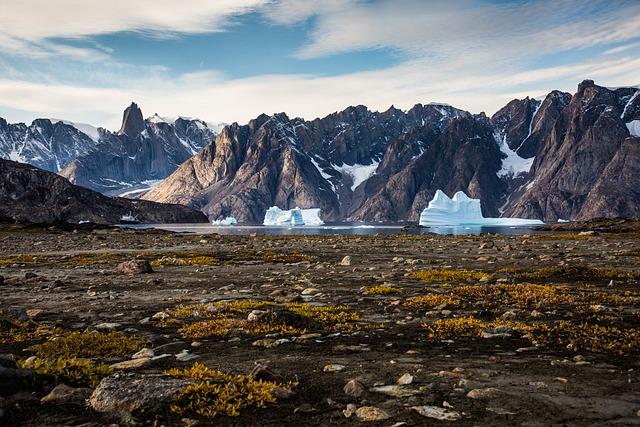
In recent years, Greenland has captured the attention of American policymakers, analysts, and the general public alike, sparking discussions that extend well beyond its icy landscapes. Once viewed primarily as a remote, sparsely populated territory of Denmark, Greenland’s strategic importance has skyrocketed amid rising geopolitical tensions and climate change concerns. The melting ice caps are not only reshaping its geography but are also unveiling potential shipping routes and untapped natural resources, positioning Greenland as a pivotal player in the 21st-century global landscape. As interest surges, particularly from the United States, questions arise about the implications of this fixation on both the Arctic region and international relations. This article delves into the recent developments surrounding America’s renewed focus on Greenland, examining the motivations, consequences, and the broader context of this ongoing geopolitical narrative, as analyzed by Stiftung Wissenschaft und Politik.
America’s Strategic Interests in Greenland and the Geopolitical Implications for Arctic Dominance
The strategic allure of Greenland for the United States has gained renewed urgency as the Arctic’s geopolitical landscape shifts. With increasing interest from global powers such as Russia and China, Greenland emerges as a pivotal player in the contest for Arctic dominance. The U.S. focuses on several key areas to secure its interests, including:
- Military Presence: Establishing bases to enhance surveillance and respond to emerging threats.
- Natural Resources: Exploring for oil, gas, and minerals in the region poised for exploitation.
- Environmental Research: Leading initiatives to tackle climate change, which disproportionately affects the Arctic.
This increasing strategic focus is not only a matter of national security but also entails diplomatic challenges. The potential for conflict in territorial waters and over resource claims necessitates a nuanced approach. The chart below illustrates how these competing interests shape the dynamics in the Arctic region:
| Country | Interests | Potential Conflicts |
|---|---|---|
| United States | Military bases, resource access | Border disputes over maritime boundaries |
| Russia | Expansion of military and shipping lanes | Claim over territory and resources |
| China | Trade routes, fishing rights | Involvement in regional politics |
As the Arctic becomes increasingly navigable, the United States must strategize effectively to maintain a balance of power while addressing the delicate relationships with Indigenous populations and stakeholders in Greenland. With its unique position, the island stands at the crossroads of these global tensions, making it a focal point in the broader narrative of Arctic dominance.
Assessing the Environmental Impact and Sustainable Development Opportunities for Greenland Amidst Increasing Attention
The melting ice caps in Greenland have garnered global attention due to their profound implications for climate change and rising sea levels. As a result, examining the ecological consequences and potential sustainable pathways for development in the region is essential. Key areas of concern include:
- Fragile Ecosystems: The thawing of permafrost and glaciers threatens native flora and fauna
- Resource Extraction: Increased interest in mining and oil exploration raises questions about environmental degradation
- Tourism Impact: A surge in tourism could lead to both economic benefits and environmental strain
However, this growing focus on Greenland also presents opportunities for sustainable development that can balance economic growth with environmental stewardship. Initiatives could potentially include:
- Renewable Energy Projects: Investments in wind and solar energy can harness Greenland’s natural resources
- Eco-Tourism: Promoting responsible tourism that preserves the natural landscape and supports local communities
- Scientific Research: Collaborative efforts in climate research can position Greenland as a pivotal player in global environmental strategy
| Opportunity | Potential Impact |
|---|---|
| Renewable Energy | Reduction in carbon footprint |
| Eco-Tourism | Support for local economy |
| Scientific Research | Enhanced understanding of climate change |
Wrapping Up
As the geopolitical landscape continues to evolve, America’s fixation on Greenland serves as a vivid reminder of the complexities involved in territorial interests and international diplomacy. This majestic island, often overshadowed in discussions about global power dynamics, has emerged as a focal point in the broader narrative of climate change, resource exploration, and strategic military positioning. Through the lens of historical context and contemporary strategy, it becomes evident that Greenland is more than just a remote territory; it is a crucial piece in the puzzle of global politics.
As we look ahead, this renewed attention from the United States may lead to deeper partnerships with Greenlandic authorities and implications for Arctic governance. As stakeholders navigate the challenges posed by climate change and expand upon opportunities for economic collaboration, monitoring America’s actions and strategies in the region will be essential. Given the intricate balance of interests, it is imperative to consider the long-term ramifications of this fixation-not only for Greenland and the United States but for the Arctic region and global politics at large.
In closing, as nations grapple with the realities of a changing world, the spotlight on Greenland reminds us that the implications of our geopolitical choices are far-reaching, underscoring the interconnectedness of national aspirations and global stewardship.