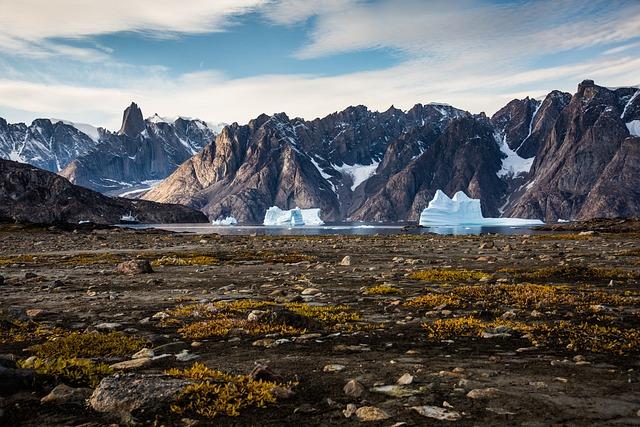
Introduction:
As conversations about global security and strategic alliances evolve, Greenland has emerged as a focal point in ongoing NATO-US discussions surrounding a comprehensive framework for enhancing cooperation in the High North. With its vast natural resources and pivotal geographical location, the Arctic territory is poised to play a critical role in shaping the region’s geopolitical landscape. This article delves into the current state of NATO-US talks regarding Greenland, exploring the implications for both regional stability and international relations in a world increasingly defined by competition over territory and resources. As military readiness and environmental concerns intersect, understanding the dynamics at play is essential for grasping the future of Arctic security and cooperation.
Greenland’s Strategic Importance in NATO-US Discussions for Enhanced Security Framework
As NATO and US officials engage in ongoing discussions regarding enhanced security frameworks, Greenland’s strategic significance is coming to the forefront. Nestled between the Arctic and the Atlantic, Greenland serves as a critical logistical and operational hub, allowing for improved access to both the polar regions and the North Atlantic. The geopolitical importance of the island has only heightened in light of increasing military activities from nations such as Russia and China. With climate change reshaping the Arctic landscape, the melting ice caps are unlocking new shipping routes and natural resources that could potentially shift global power dynamics.
Key aspects of the current talks center around establishing a robust military presence and cooperative agreements in Greenland that would facilitate rapid response capabilities in the event of a security crisis. The discussions have highlighted several priorities, including:
- Infrastructure Development: Upgrading airbases and ports to support NATO operations.
- Surveillance Improvements: Enhancing radar and monitoring systems to track maritime and aerial threats.
- Joint Exercises: Conducting military drills in the region to foster preparedness among allied forces.
A recent analysis table illustrates the strategic investments being contemplated, showcasing both the anticipated enhancements and their anticipated effects on security:
| Investment Area | Potential Impact |
|---|---|
| Airbase Modernization | Increased operational range for NATO forces. |
| Enhanced Communication Systems | Improved coordination among allied forces. |
| Research Initiatives | Better understanding of Arctic environmental changes. |
Key Insights into the Future of Greenland’s Geopolitical Role and Recommendations for Sustainable Engagement
As geopolitical tensions continue to evolve, Greenland’s strategic position is increasingly recognized on the global stage, particularly as discussions surrounding NATO and US military frameworks unfold. The island’s vast natural resources and its proximity to the Arctic render it a vital player in the geopolitical chess game, particularly concerning climate change and security. Key insights into this emerging role highlight:
- Resource Accessibility: Greenland is home to untapped mineral wealth, including rare earth elements, which are essential for modern technologies and national defense.
- Arctic Navigation: Melting ice caps are opening new maritime routes, making Greenland a pivotal transit point for shipping and geopolitics.
- Strategic Partnerships: There is a growing necessity for bilateral and multilateral pacts involving Greenland that prioritize sustainable development and environmental stewardship.
To navigate these complexities and foster sustainable engagement, recommendations for stakeholders include:
| Recommendation | Description |
|---|---|
| Emphasize Environmental Protection | Integrate ecological considerations into all strategic discussions to ensure the preservation of Greenland’s unique ecosystems. |
| Enhance Indigenous Partnerships | Engage with local Inuit communities to uphold their rights and incorporate traditional knowledge into development plans. |
| Promote Research Collaborations | Facilitate international research partnerships focused on climate impact assessments and resource management. |
These actions can lead to a more balanced approach that recognizes Greenland’s unique position while mitigating potential conflicts and environmental degradation as powers vie for influence in the region.
Wrapping Up
As discussions continue between NATO and the United States regarding a comprehensive framework for Greenland, the strategic implications for the Arctic region are becoming increasingly clear. The evolving geopolitical landscape, marked by climate change and heightened global competition, necessitates a robust and collaborative approach to ensure security and sustainable development in this pivotal area. Stakeholders are urged to remain informed as negotiations progress, as the outcomes will undoubtedly shape not only Greenland’s future but also the broader dynamics of international relations in the Arctic. For ongoing coverage and insights, stay tuned to Rapid City Journal.