
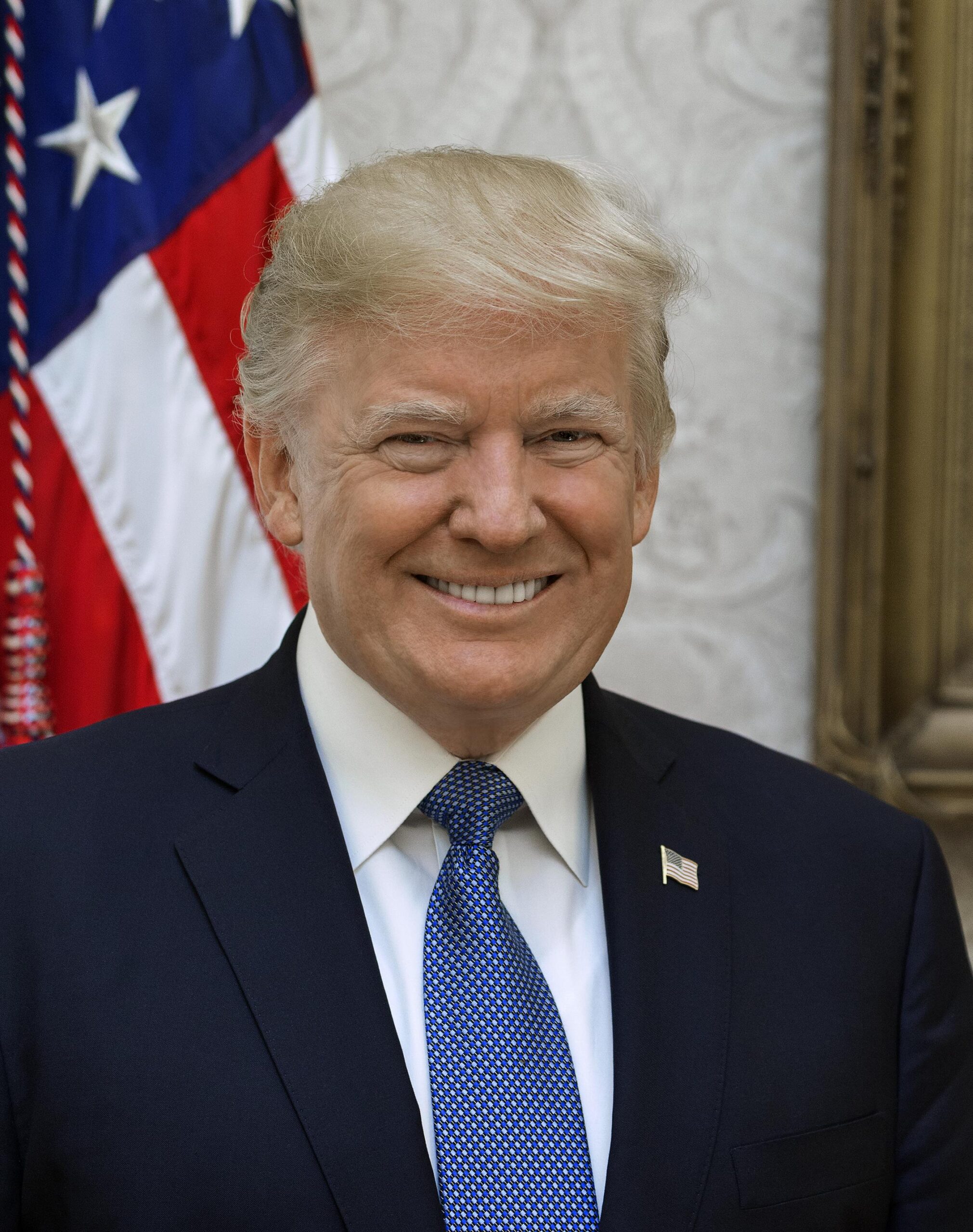
In a move that stirred both intrigue and controversy, former U.S. President Donald Trump expressed interest in acquiring Greenland, the world’s largest island, during his tenure in office. This unexpected proposition not only raised eyebrows in international diplomatic circles but also ignited discussions about sovereignty, strategic resources, and the historical context of territorial acquisitions. As the prospect of such an acquisition faded with Trump’s presidency, the implications of his interest linger. This article explores the motivations behind Trump’s ambition for Greenland and delves into the sentiments of its inhabitants, offering a comprehensive view of a region caught between global politics and local identity. Through interviews and expert analysis, we seek to understand what Greenlanders truly think about being the subject of a geopolitical conversation and how their perspectives shape the narrative around this icy expanse.
Trump’s Greenland Ambitions Unpacked: Strategic Interests and Geopolitical Implications
Donald Trump’s interest in Greenland, stemming from his proposed purchase of the territory in 2019, highlights various strategic objectives. The vast natural resources found in Greenland, such as rare earth minerals, uranium, and fossil fuels, make it an attractive prospective acquisition for the U.S. Beyond economics, the geopolitical implications are significant, particularly in the context of increasing Chinese influence in the Arctic. Trump’s focus on Greenland may suggest an attempt to fortify U.S. presence in the region and counteract foreign encroachment, ensuring that American interests are prioritized over those of rival nations.
Public sentiment among Greenland’s inhabitants toward this interest is complex. While many appreciate the potential for economic development and infrastructure improvements, there is also a palpable concern over sovereignty and cultural identity. Greenlanders have voiced that any discussions around the territory’s future should involve their direct input and consent. The following points summarize the opinions expressed by locals:
- Economic Opportunity: Some welcome investments that could lead to job creation.
- Colonial Legacy: Many fear a revival of colonial attitudes and the erasure of cultural heritage.
- Autonomy: A strong emphasis on maintaining political autonomy and decision-making power.
Both the community’s voice and strategic calculations will play crucial roles in shaping any future negotiations regarding Greenland’s status on the world stage.
Concluding Remarks
In conclusion, the intrigue surrounding former President Donald Trump’s interest in Greenland highlights the intersection of geopolitical strategy and local sentiment. While Trump viewed the vast, resource-rich territory as a potential asset for the United States, the people of Greenland expressed mixed feelings about such ambitions, emphasizing their desire for autonomy and cultural preservation. As the global landscape continues to shift, the conversation around Greenland’s future remains complex, reflecting broader themes of nationalism, economic aspirations, and the delicate balance between global powers and local voices. Understanding these dynamics is crucial as we move forward, reminding us that the interests of nations must always be weighed against the aspirations of their peoples. The ongoing dialogue about Greenland is not just a matter of international relations; it is a reflection of the values and priorities that shape our world.











