
Buying Greenland is Foolish – Or Is It? A Closer Look at the Arctic Institute’s Insights
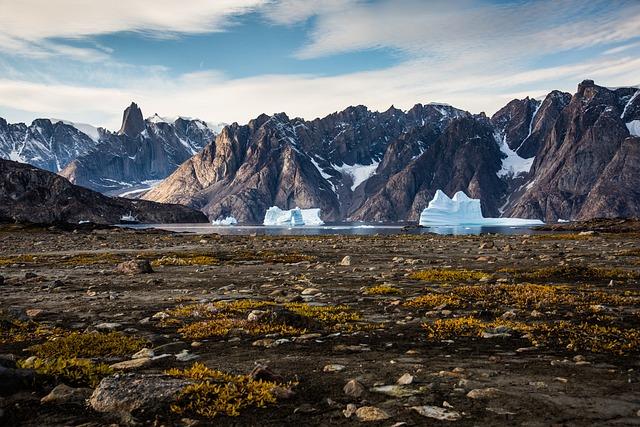
In a world increasingly influenced by climate change and geopolitical shifts, the notion of purchasing Greenland has emerged from the fringes of speculation to the forefront of serious discussion. The idea, once dismissed as a fanciful whim, has gained traction amidst rising interests in the Arctic’s vast resources and strategic locations. The Arctic Institute, a leading think tank focused on Northern affairs, delves into this provocative proposition, examining the implications, challenges, and potential consequences of such a purchase. As tensions escalate between global powers and environmental concerns loom large, the debate around buying Greenland raises important questions about sovereignty, ecological responsibility, and the future of international relations in this fragile region. In this article, we explore their insights and analyze whether acquiring Greenland is indeed a folly or a strategic necessity in today’s ever-changing landscape.
The Geopolitical Ramifications of Acquiring Greenland and Their Impact on Global Relations
The prospect of acquiring Greenland has raised not only eyebrows but significant geopolitical discussions among world leaders. The strategic location of this massive island, nestled between the Arctic and the Atlantic, renders it a potential geopolitical chess piece. With the Arctic region’s increasing accessibility due to climate change, nations are eager to stake their claims. Key players such as the United States, China, and Russia may intensify their presence in Greenland, seeking to exploit its rich natural resources and advantageous shipping routes. The implications of such a development could lead to a reshuffling of alliances, as nations react to ensure their interests are safeguarded.
Adding to the complexity, the notion of ownership over Greenland cannot be viewed through a simplistic lens. It raises crucial questions regarding sovereignty and self-determination for the Greenlandic people. The possibility of transitioning Greenland from Danish territory to an autonomous or independently governed state could disrupt the existing Nordics-centric balance of power and complicate relations within NATO and the European Union. Furthermore, the pursuit of such a territorial acquisition could provoke tensions with indigenous populations and neighboring countries, potentially leading to conflicts over rights and resources. Thus, the ramifications extend far beyond mere economic gain and into the realm of global stability and humanitarian considerations.
Understanding the Environmental and Economic Consequences of a Greenland Purchase for Future Sustainability
As the world grapples with climate change, the potential acquisition of Greenland has sparked intense debate over its environmental impact. The Arctic region is experiencing unprecedented warming, resulting in melting glaciers and rising sea levels. This transformation poses significant risks not only to local ecosystems but also to global coastal communities. The prospect of increased resource extraction-such as oil, gas, and minerals-raises concerns over habitat destruction and the acceleration of climate change. Stakeholders must carefully consider how a purchase would lead to sustainable management practices to mitigate ecological harm while monitoring impacts on biodiversity and indigenous communities.
Economically, the purchase of Greenland could present both opportunities and challenges. On one hand, access to vast natural resources may boost economic growth and job creation. On the other hand, the financial burden of maintaining and investing in infrastructure could outweigh potential gains. To illustrate this point, the following table summarizes the estimated costs and benefits associated with such a purchase:
| Aspect | Potential Costs | Potential Benefits |
|---|---|---|
| Initial Investment | High financial outlay for acquisition and governance | Strategic geopolitical positioning |
| Environmental Degradation | Costs of environmental restoration | Revenue from sustainable tourism |
| Infrastructure Development | Investment in energy and transportation | Increased local employment opportunities |
To further explore the economic landscape surrounding this proposal, the table below summarizes the estimated costs and benefits, succinctly outlining the multifaceted consequences of acquiring Greenland:
| Aspect | Potential Costs | Potential Benefits |
|---|---|---|
| Initial Investment | High financial outlay for acquisition and governance | Strategic geopolitical positioning |
| Environmental Degradation | Costs of environmental restoration | Revenue from sustainable tourism |
| Infrastructure Development | Investment in energy and transportation | Increased local employment opportunities |
As can be seen from the table, initial investments may initially seem daunting, yet they can lead to significant geopolitical advantages. The balance between environmental costs and the potential for sustainable tourism highlights a critical path toward responsible management of Greenland’s resources. Infrastructure development could also pave the way for modernizing the region while creating job opportunities, although this comes with the inherent responsibility of mitigating negative environmental impacts.Key Takeaways
In conclusion, the debate surrounding the notion of purchasing Greenland encapsulates a complex interplay of geopolitics, economic ambition, and environmental concern. While some may view the acquisition as a strategic move to secure resources and increase territorial influence in the Arctic, experts warn of the practical and ethical pitfalls that such an endeavor entails. Ultimately, the question of whether buying Greenland is foolish or not extends beyond mere financial considerations; it challenges us to ponder the implications of imperialistic aspirations in a world increasingly marked by global interdependence. As Arctic dynamics evolve, it is crucial to approach discussions about its future with a nuanced understanding of not only the geopolitical tapestry but also the rights and voices of the indigenous communities that call this vast, frozen landscape home. The Arctic Institute will continue to explore these pressing issues as they unfold, reminding us that the true value of places like Greenland lies not in ownership, but in stewardship and respect.









