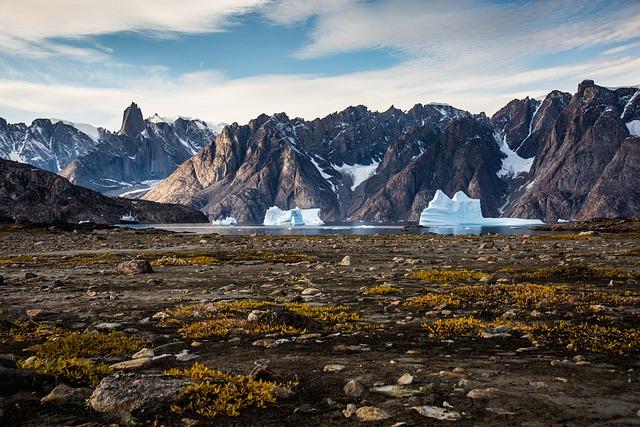
In a significant political development that underscores Greenland’s growing assertion of autonomy, the territory’s newly elected leader has delivered a clear message to former President Donald Trump: “We do not belong to anyone.” This declaration comes in the wake of heightened global interest in Greenland’s vast resources and strategic location, particularly amid thawing Arctic conditions. The statement reflects a broader shift in Greenland’s self-identity and aspirations for sovereignty, amid ongoing discussions around its relationship with Denmark and international powers. As geopolitical rivalries intensify in the Arctic, this message not only emphasizes Greenland’s distinct political stance but also signals its intention to navigate its future on its own terms. In this article, we delve into the implications of this leadership change and the renewed focus on Greenland’s role in global affairs.
Greenland’s Sovereign Stand: A New Era of Independence and Climate Responsibility
In a pivotal statement addressing the global community, Greenland’s new leadership has made it clear that the island’s future is in its own hands. As international interest in Greenland grows, particularly from major powers like the United States, the message is unmistakable: Greenland’s sovereignty is non-negotiable. This assertiveness comes at a time when climate change poses unprecedented challenges and opportunities, reshaping the Arctic landscape. The government emphasizes the need for a responsible approach to environmental stewardship, highlighting a commitment to sustainability that aligns with global climate goals.
Greenland’s leaders are calling for collaborative partnerships based on mutual respect rather than imperialistic impulses. To underline this point, they have outlined key priorities that include:
- Climate Resilience: Strengthening infrastructure to withstand the effects of climate change.
- Indigenous Rights: Protecting the cultural heritage and land rights of the Inuit population.
- Sustainable Economic Development: Fostering industries that prioritize green technologies.
- International Cooperation: Engaging with global bodies to address shared environmental concerns.
As the world’s attention shifts towards the Arctic, Greenland stands at the forefront of climate responsibility, pushing back against outdated notions of colonial control. This determination to forge a new path heralds a promising era of autonomy and progressive environmental practices, positioning Greenland as a leader in the fight against climate change.
Navigating Diplomatic Waters: Recommendations for Constructive Engagement Between Greenland and the United States
As Greenland’s leadership seeks to assert its sovereignty in a complex geopolitical landscape, it becomes crucial for both Greenland and the United States to engage in a dialogue that fosters mutual respect and understanding. Building on the foundation laid by past diplomatic efforts, the focus should be on creating frameworks that preserve Greenland’s autonomy while addressing mutual interests. Both nations can benefit from embracing opportunities that include:
- Strengthening Economic Partnerships: Collaborative efforts in areas such as renewable energy, tourism, and fisheries can bolster Greenland’s economy while providing the U.S. with strategic access to resources.
- Cultural Exchanges: Facilitating programs that promote understanding of Greenland’s rich heritage and history can cultivate goodwill and deepen personal ties between the two nations.
- Joint Environmental Initiatives: Both parties should collaborate on addressing climate change impacts, especially considering the Arctic’s vulnerability.
To ensure that these engagements are productive, both Greenland and the United States must approach negotiations with transparency and an emphasis on shared goals. A potential framework for cooperation could involve regular summits to assess progress on collaborative projects while allowing for open discourse on contentious issues. The proposed table below outlines key areas of focus for future discussions:
| Focus Area | Objective | Potential Benefits |
|---|---|---|
| Economic Development | Explore avenues for investment and trade | Job creation and resource management |
| Cultural Cooperation | Promote educational exchanges and cultural understanding | Strengthening bilateral relations through community ties |
| Environmental Policy | Collaborate on sustainable practices and climate action | Enhanced reputation and global leadership in climate change |
Concluding Remarks
In conclusion, Greenland’s new leadership has made it clear that the island’s future is in its own hands, as they assert their independence and sovereignty against any perceived external influences, including comments from former President Trump. This strong message reflects a growing sentiment among Greenlanders who seek to establish their identity and autonomy on the global stage. As the world watches closely, it remains to be seen how these developments will affect international relations and the geopolitical landscape in the Arctic region. Greenland’s stance serves as a reminder that, in an era of shifting power dynamics, nations are increasingly prioritizing their self-determination.