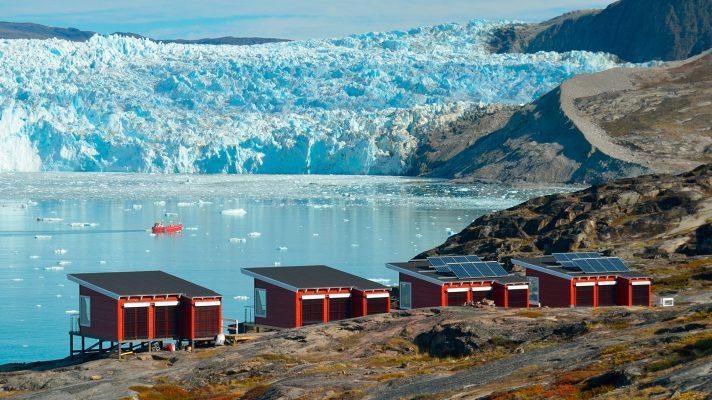
Imagining Greenland as the 51st State: The Potential Impact of U.S. Sovereignty Over the Arctic Island
As global power dynamics evolve and climate change transforms the Arctic, discussions about Greenland potentially becoming the 51st state of the United States have gained traction. Historically viewed as a strategic asset due to its abundant natural resources and critical geographical position, Greenland’s future is now a focal point for policymakers and analysts alike. This article delves into what such a transition could entail, exploring economic, political, and cultural consequences of American governance over this vast island. With heightened interest from both U.S. authorities and international players, it is indeed essential to grasp this intricate relationship as we contemplate what “Greenland 51” might signify for both its inhabitants and their new American identity.
Greenland’s Political Dynamics: Exploring Sovereignty and Self-Governance in a Potential Statehood Transition
The political environment in Greenland reflects a complex balance between desires for greater autonomy and the realities of existing under larger nations’ control. As conversations about statehood gain momentum, residents face pivotal decisions regarding their governance structure. Central themes in these discussions include:
- Resource Management: With an abundance of minerals and fishing rights at stake, questions arise about who has authority over these valuable assets.
- Cultural Preservation: Safeguarding Greenlandic culture is crucial; external governance could threaten its unique identity.
- Economic Dependencies: Dependence on financial support from Denmark presents significant hurdles for an autonomous Greenland while shaping debates around fiscal autonomy.
The possibility of Greenland joining the United States also brings forth distinct challenges alongside opportunities. The intricacies of U.S. federal regulations combined with the island’s unique socio-economic landscape must be carefully considered. A move toward statehood could open doors to new economic prospects and infrastructure advancements but may simultaneously compromise local self-determination. Key considerations include:
| Potential Benefits | Potential Challenges |
|---|---|
| Access to federal funding opportunities | Cultural autonomy risks diminishing |
| A boost in infrastructure growth initiatives | An increased dependency on U.S.-led governance structures |
| A stronger voice in global affairs | Diminished local decision-making authority |
Economic Prospects vs Environmental Challenges: Striking a Balance Between Resource Extraction and Sustainable Development in an American Territory
The potential transition towards statehood has sparked urgent conversations regarding not only economic benefits but also environmental responsibilities associated with resource extraction activities on this pristine island rich with rare minerals along with oil reserves that could significantly enhance America’s economy.
However,the ecological implications tied to these extraction efforts cannot be ignored.Balancing resource utilization against environmental preservation remains paramount.Strategies that should be prioritized include:
- Investment in Renewable Energy Sources: Harnessing wind energy along with hydropower capabilities found within Greenland can help reduce reliance upon fossil fuels.
- Robust Regulatory Frameworks : Implementing comprehensive guidelines aimed at ensuring sustainable mining practices will protect biodiversity across various ecosystems.
- Community Engagement : Involving local Inuit communities throughout decision-making processes ensures their insights are integral when managing resources effectively .
Tackling environmental threats linked directly back towards climate change alongside industrial activities becomes essential if we wish safeguard both community health while protecting our planet’s ecosystem.As resource extraction intensifies , potential hazards such habitat destruction , pollution levels rising ,and climate instability loom large.To mitigate these risks proactively addressing them through measures like :
- Impact Assessments : Conducting thorough studies assessing environmental impacts prior commencing any extraction operations.
- Restoration Initiatives : Launching projects focused rehabilitating areas affected by mining or drilling activities .
- Climate Resilience Strategies : Developing approaches enhancing ecosystem resilience against adverse effects stemming from climate change .
| Economic Opportunities | ||
|---|---|---|
| >Resource Extraction | >Habitat Destruction |