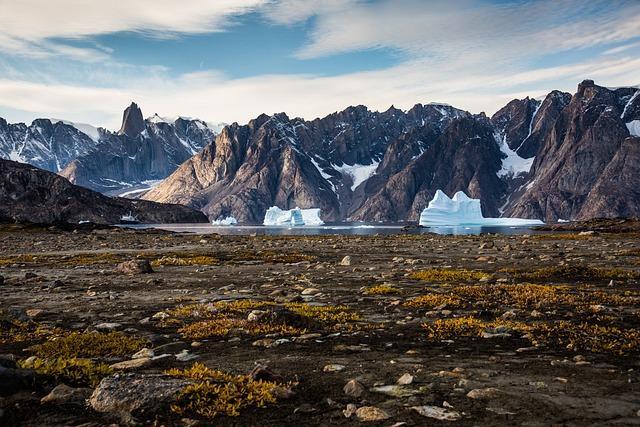
In the realm of geopolitics, few topics have sparked as much intrigue and speculation as the potential acquisition of Greenland by the United States. Historically a territory of Denmark, Greenland’s vast natural resources and strategic location have made it a point of interest for U.S. policymakers and analysts alike. Recently, discussions surrounding this prospect have resurfaced, fueled by Denmark’s evolving role in Arctic affairs and the U.S.’s growing focus on securing its interests in the region. This article delves into the complexities of such a transaction, examining the historical context, legal considerations, and political implications of how the United States might pursue the acquisition of Greenland from Denmark. As the Arctic landscape shifts and competitiveness among global powers intensifies, understanding the nuances of this potential geopolitical maneuver becomes increasingly vital for both nations and the international community.
U.S. Strategic Interests in Greenland: Evaluating Geopolitical Motivations and Economic Opportunities
The strategic significance of Greenland for U.S. interests cannot be overstated. Situated between North America and Europe, the island serves as a pivotal point in the Arctic, a region increasingly viewed as vital for global trade routes and military positioning. With climate change opening up previously inaccessible shipping lanes, the U.S. seeks to guarantee that these routes remain open and secure under its watch. Additionally, the expanding influence of Russia in the Arctic raises the stakes for U.S. interests in the area, compelling the nation to contemplate a more assertive approach toward Greenland to maintain its geopolitical leverage.
Moreover, Greenland is rich in natural resources, including rare earth minerals crucial for modern technologies. The U.S. has a vested interest in securing access to these materials as industries worldwide pivot towards clean energy and technological innovation. The following points outline the economic opportunities that accompany a potential acquisition:
- Mineral Exploitation: The presence of uranium, zinc, and precious metals.
- Tourism Potential: The Arctic environment offers unique travel experiences that could be tapped into.
- Scientific Research: Opportunities for studies on climate change and biodiversity.
| Resource | Potential Value |
|---|---|
| Rare Earth Elements | Billions in market value |
| Uranium | Energy security |
| Tourism | Projected growth in the sector |
Navigating Diplomatic Channels: Steps for the U.S. to Secure a Successful Acquisition from Denmark
To successfully acquire Greenland from Denmark, the U.S. must carefully navigate a complex web of diplomatic channels. This involves not only engaging Denmark’s government but also considering the interests of the Greenlandic people and regional powers. Key steps in this process may include:
- Open Diplomatic Dialogue: Initiate discussions with Danish officials to express U.S. interest in the acquisition while emphasizing mutual benefits.
- Engage Greenlandic Leadership: Build rapport with the local government, addressing Greenland’s aspirations for autonomy and self-determination.
- Strategic Partnerships: Involve key allies in discussions to strengthen the proposal, showcasing U.S. commitment to regional stability.
Additionally, the U.S. must prepare for potential challenges, both political and economic. Understanding Denmark’s stance on issues such as sovereignty and resource rights will be crucial. Constructing a robust proposal could involve:
| Proposed Benefits | Potential Challenges |
|---|---|
| Economic Investment: Boosting local economy through American investments. | Sovereignty Concerns: Navigating issues related to Greenland’s autonomy. |
| Military Strategic Position: Enhancing U.S. presence in the Arctic region. | International Reactions: Addressing responses from other countries, especially in the Arctic Council. |
Concluding Remarks
In conclusion, the prospect of the United States acquiring Greenland from Denmark presents a complex blend of geopolitical strategy, economic opportunity, and historical precedent. While the idea has generated buzz and speculation, especially given the current global landscape, any move toward such an acquisition would require careful diplomatic negotiations and a thorough understanding of the implications involved. As the U.S. continues to navigate its relationships in the Arctic and beyond, the question of Greenland’s future remains a significant point of interest. Whether discussions will lead to tangible outcomes or remain a topic of debate, the eyes of the world will undoubtedly remain focused on the evolving dynamics between these two nations. As we explore the potential ramifications, it’s clear that the Greenland saga is far from over.