
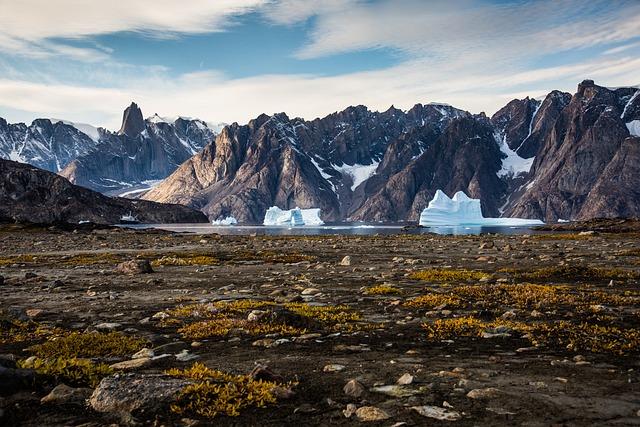
Greenland to Diego Garcia: Unpacking the US Islandic Hopscotch
In an era characterized by shifting geopolitical landscapes and strategic military posturing, the United States is drawing attention to its vast network of military bases spanning the globe, from Greenland to Diego Garcia. This intricate web of island outposts plays a crucial role in American defense strategies, offering logistical advantages and a means of projecting power across both the Atlantic and Indian Oceans. As tensions rise in various regions, including the Arctic and the Indo-Pacific, the significance of these strategic locations comes into sharper focus. This article delves into the historical context, current developments, and potential implications of America’s islandic maneuvering, shedding light on how these bases not only serve military purposes but also influence the global balance of power. As countries like India assess their own strategic interests in the face of this rising American presence, the stakes have never been higher for regional security and international diplomacy.
Strategic Military Maneuvers: The Implications of US Island Hopping in the Indian Ocean Region
The strategic military operations conducted by the United States across the Indian Ocean, particularly the doctrine of island hopping, signify a pivotal shift in geopolitical maneuvering. This military tactic, historically utilized during World War II, has found new relevance as the U.S. reinforces its presence in this maritime corridor, amidst rising tensions with rival powers. As military assets are strategically stationed on strategically located islands, the implications extend beyond mere military reach; they reshape the security architecture of the region, affecting allies and adversaries alike.
Key islands such as Diego Garcia serve as vital nodes in the U.S. military’s logistical network, enabling rapid deployment and increased deterrence capabilities. The ramifications of these maneuvers are vast, illustrating a dual strategy of containment and support, whereby the U.S. can:
- Bolster regional allies through joint exercises and militarization initiatives.
- Enhance surveillance capabilities to monitor adversarial activities.
- Control sea lines of communication essential for global trade.
As these tactical deployments evolve, the U.S. must also navigate complex diplomatic landscapes, balancing strategic interests with international norms. The potential for escalation remains a concern, emphasizing the need for transparent communication with other nations to mitigate fears of aggression and sustain stability in a region marked by its critical economic and security interests.
Environmental and Geopolitical Consequences: Prospects for India and Global Security in the Wake of US Expansion
The recent strategic maneuverings of the United States, particularly in key locations from Greenland to Diego Garcia, underscore the intricate web of environmental and geopolitical consequences that ripple across global security landscapes. As the US bolsters its military presence in these pivotal regions, the implications for India and broader international relations unfold dramatically. The US’s focus on climate resilience and resource management is increasingly clashing with geopolitical ambitions, leading to heightened competition for valuable resources, particularly in the Arctic. The potential for resource exploration in the melting Arctic ice is poised to usher in both opportunities and tensions, as nations vie for control and accessibility to these once-hidden treasures.
India, positioned strategically in the Indian Ocean region, must navigate this evolving landscape carefully. The advent of US expansionism raises several critical considerations for India, particularly in terms of defense collaborations and regional stability. As Indo-Pacific dynamics shift, the need for multilateral cooperation becomes pressing, not just in military terms but also in environmental initiatives. Addressing the challenges posed by climate change and resource scarcity through collaborative frameworks will be essential in enhancing India’s global standing while safeguarding national interests. The table below summarizes potential consequences and strategic adaptations for India as it responds to US activities in these critical locales:
| Consequences | Strategic Adaptations for India |
|---|---|
| Resource Competition | Strengthen alliances with regional partners to secure supply chains. |
| Climate Change Impacts | Pursue international climate agreements and leading initiatives. |
| Military Escalation | Enhance defense capabilities and strategic partnerships. |
| Diplomatic Tensions | Engage in diplomatic dialogues to mitigate conflicts. |
Wrapping Up
As the geopolitical landscape continues to evolve, the United States’ strategic positioning across the globe, from the icy shores of Greenland to the remote archipelago of Diego Garcia, underscores the complexities of modern military logistics and international relations. This island-hopping strategy not only reflects Washington’s commitment to maintaining a robust military presence but also highlights the shifting dynamics of power in the Indo-Pacific region. As India navigates its own strategic interests amidst these developments, the implications for regional security and cooperation will be a vital area of focus. As we observe these intricate maneuvers, the need for collaborative engagement and dialogue among nations becomes ever more pressing to ensure stability and peace in an increasingly interconnected world. The United States’ islandic approach serves as a poignant reminder of the delicate balance between military readiness and diplomatic relations in a rapidly changing global arena.









