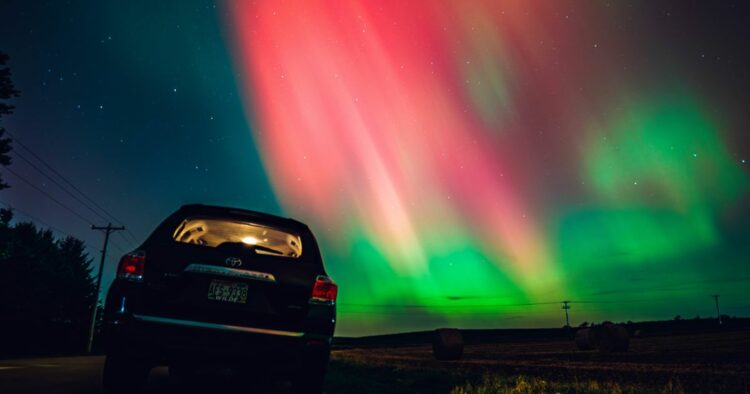
Sjoerd van der Wal via Getty Images
Low-Earth orbit satellites and high-frequency communication signals can experience disruptions; power grids — already weakened by recent storms — can face additional stress; and navigation systems like GPS can have a degraded quality, the National Oceanic and Atmospheric Administration said this week.
Due to ongoing recovery efforts related to Hurricanes Helene and Milton, NOAA said it released multiple warnings, including to the Federal Emergency Management Agency and the North American power grid, so people could better prepare ahead of this solar storm.
Where and when are the lights expected next?
The best opportunity for people farther to the south was Thursday, though people in the northernmost United States (as far south as Iowa) could potentially catch another viewing on Friday, according to a map released by NOAA.
As for when the lights could appear so far south again, Shawn Dahl, the service coordinator for NOAA’s Space Weather Prediction Center, explained to reporters Wednesday that there could be opportunities well into 2025.
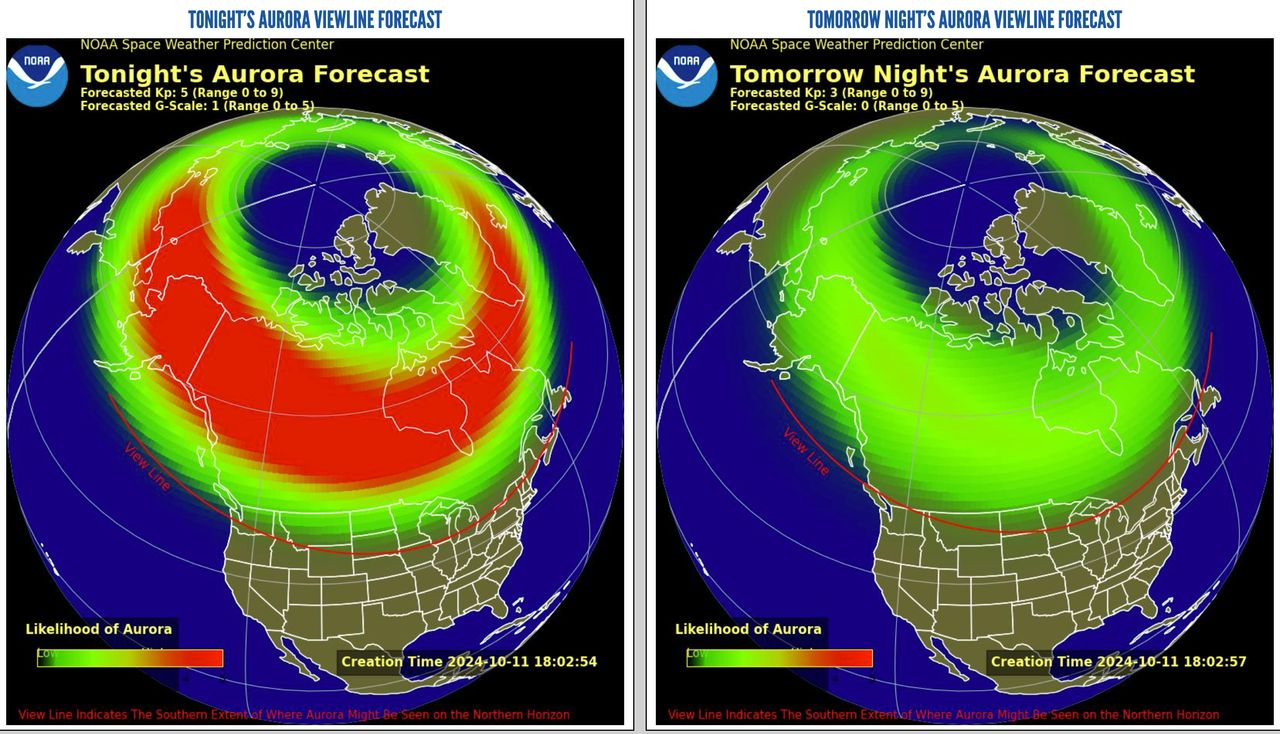 These maps show where the aurora borealis might be visible in North America on Friday and Saturday.
That’s because we are currently in the most active phase of the 11-year solar cycle, called the solar maximum, which is expected to peak possibly in 2025, Dahl said.
“But that doesn’t mean the solar maximum is done. We’ll still be having increased levels of activity or chances for them throughout 2025 and even into 2026,” he said, noting that there’s a lot of energy that has to be released and neutralized.
He added that it would be “highly unusual” for there to be another light show like the one seen in May, which was easily visible in large parts of the southern U.S. That geomagnetic storm was rated a G5. Thursday’s storm was a G4, and Friday’s is forecast to be a G3.
“We’ll still be having increased levels of activity or chances for them throughout 2025 and even into 2026.”
– Shawn Dahl, service coordinator for NOAA’s Space Weather Prediction Center
“The G5 back in May was the first time we’ve had that since the year 2003. That means we went through the previous solar cycle without ever reaching a G5,” Dahl said.
NOAA has advised viewers to follow its “Aurora Dashboard” website and social media pages for notifications about where the aurora will be seen.
Tips for viewing:
The best time to watch the lights is typically an hour or two before or after midnight. You’ll want to view them from a clear, cloud-free area if possible, NOAA advises.
“There may be aurora in the evening and morning but it is usually not as active and therefore, not as visually appealing,” the agency says.
Most cameras are also better at registering the lights than the human eye.
Miss the lights? Check out some of these photos from Thursday:
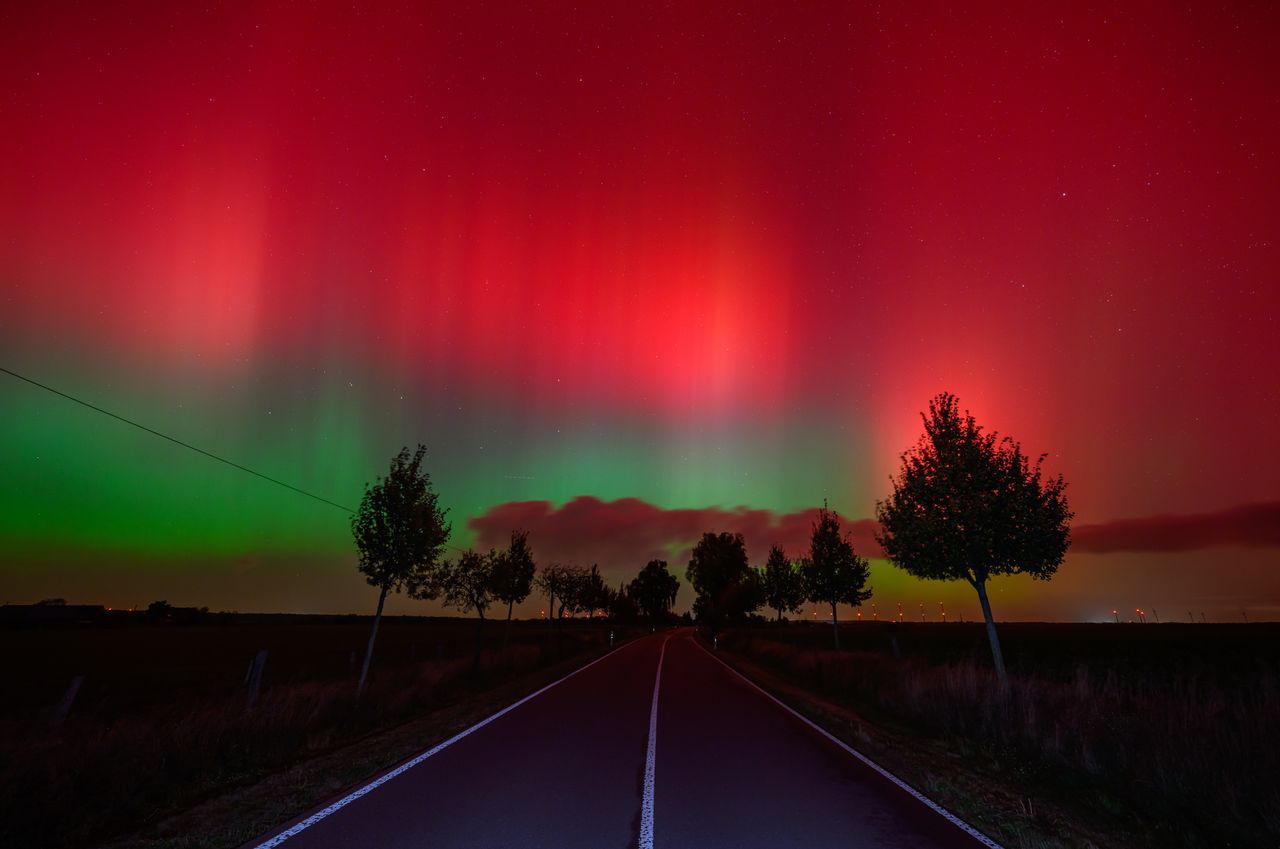 The northern lights are seen over Brandenburg, Germany.
picture alliance via Getty Images
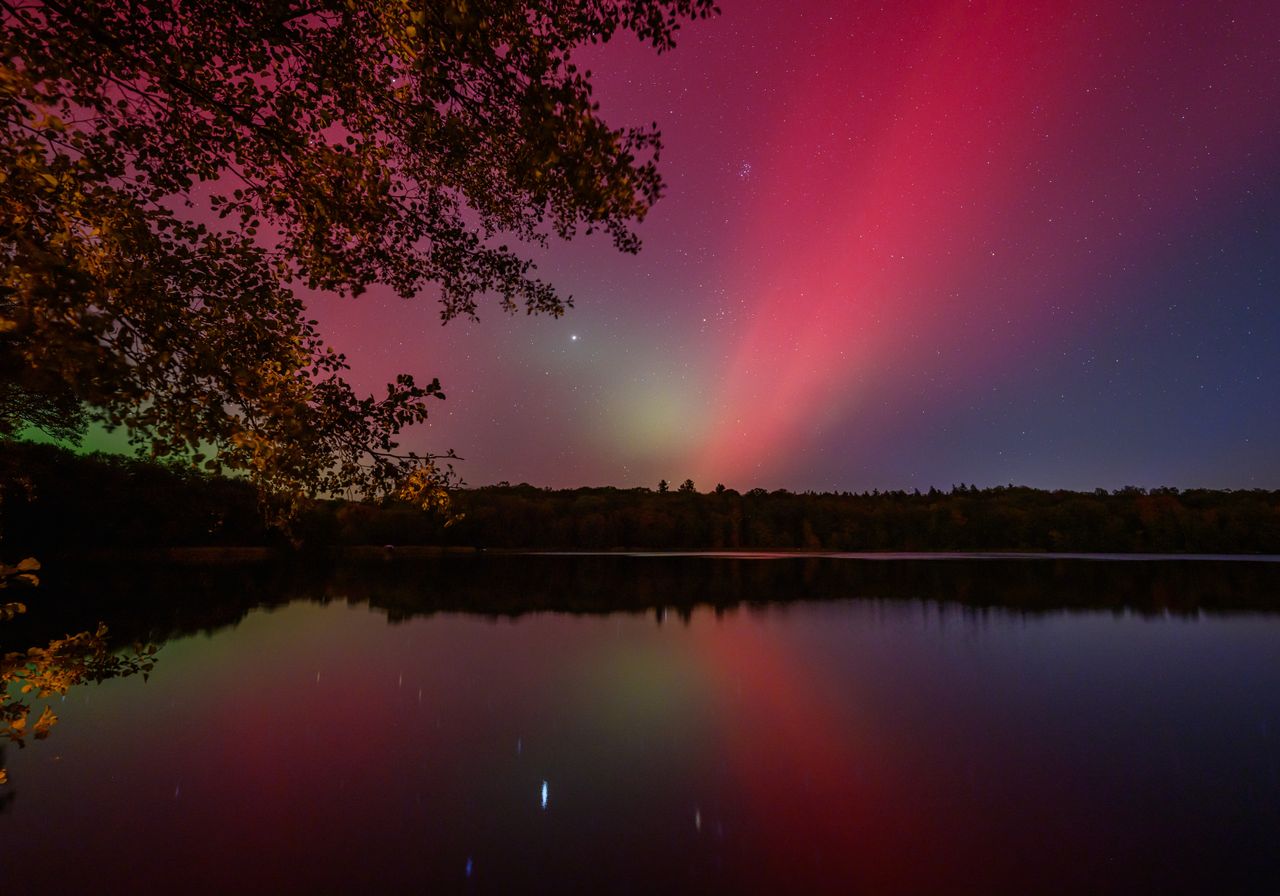 The northern lights are seen over Brandenburg.
picture alliance via Getty Images
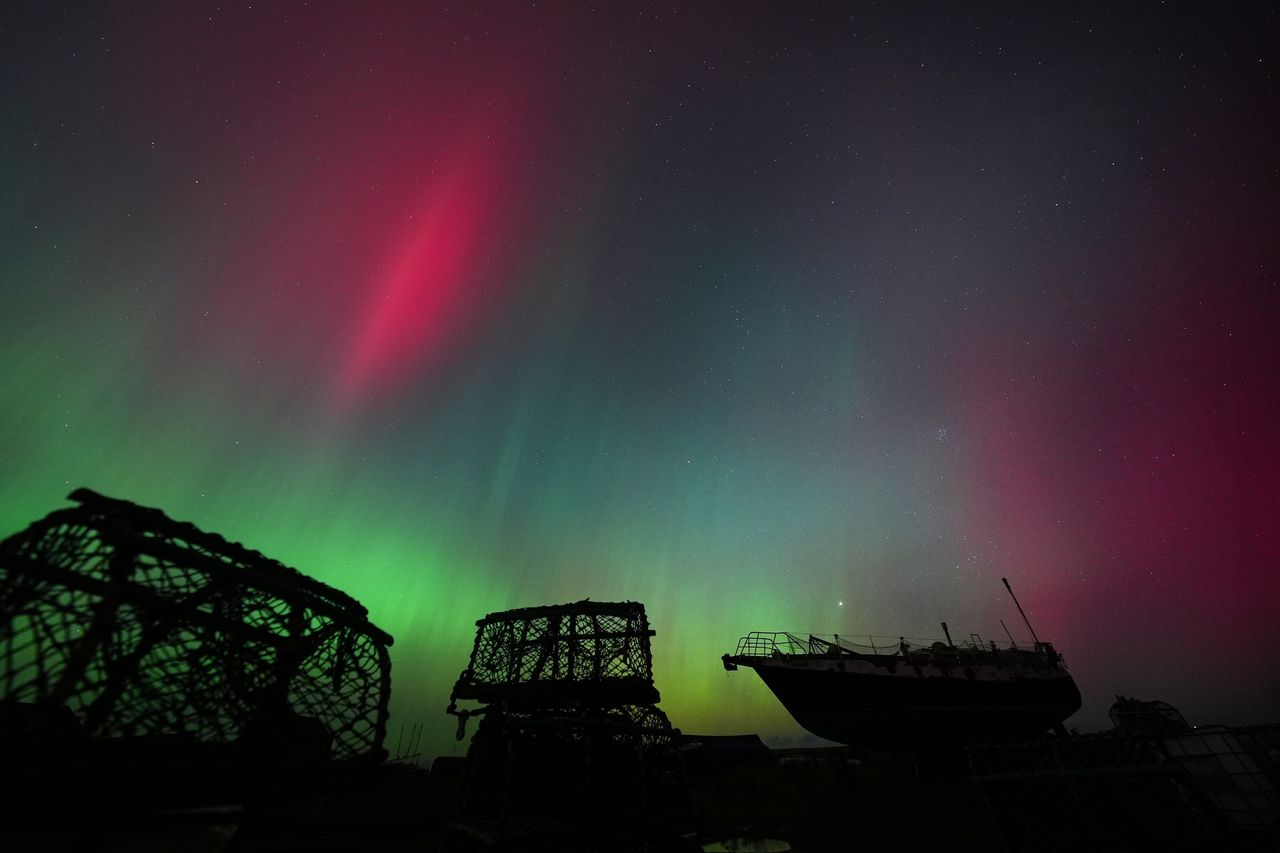 The lights are seen over Holy Island in Northumberland, England.
Owen Humphreys – PA Images via Getty Images
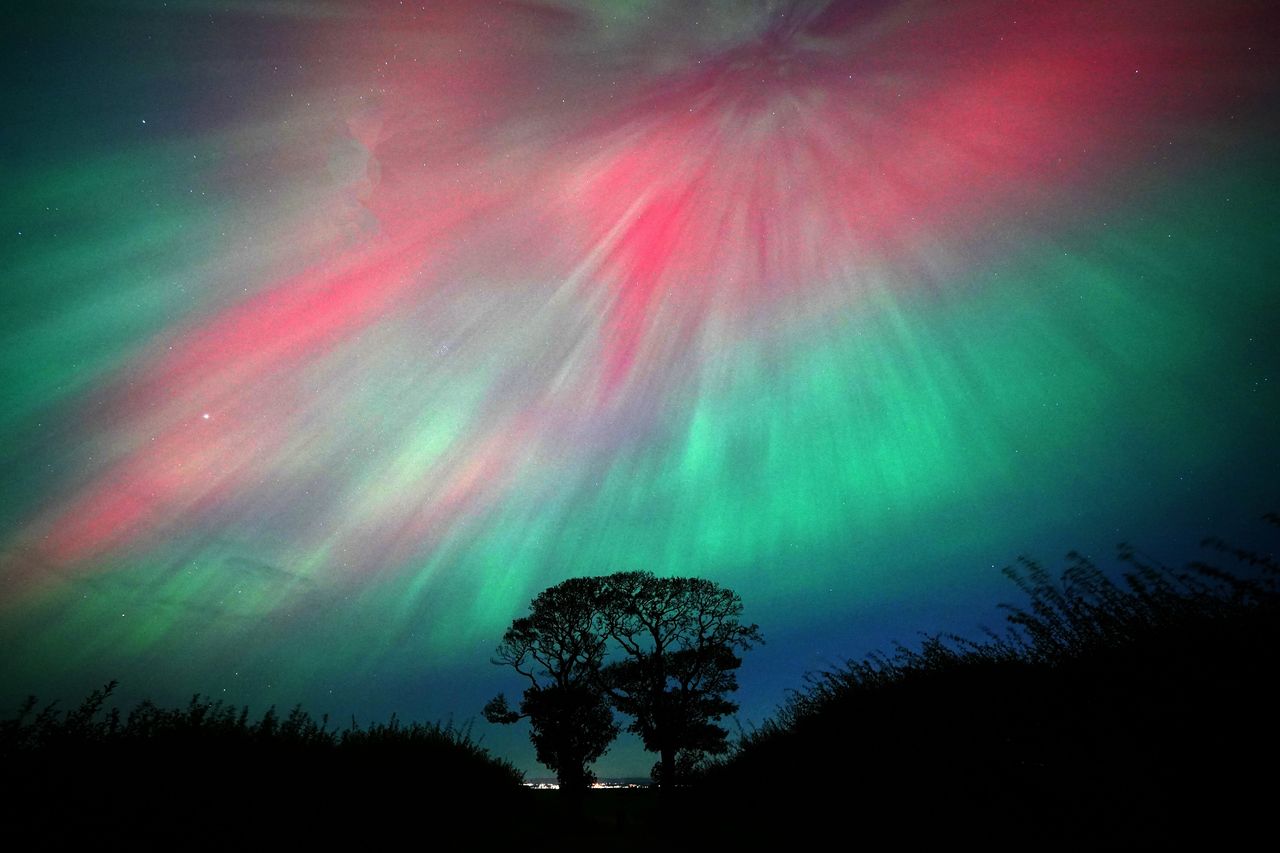 The lights are seen Kinghorn in Fife, Scotland.
Jane Barlow – PA Images via Getty Images
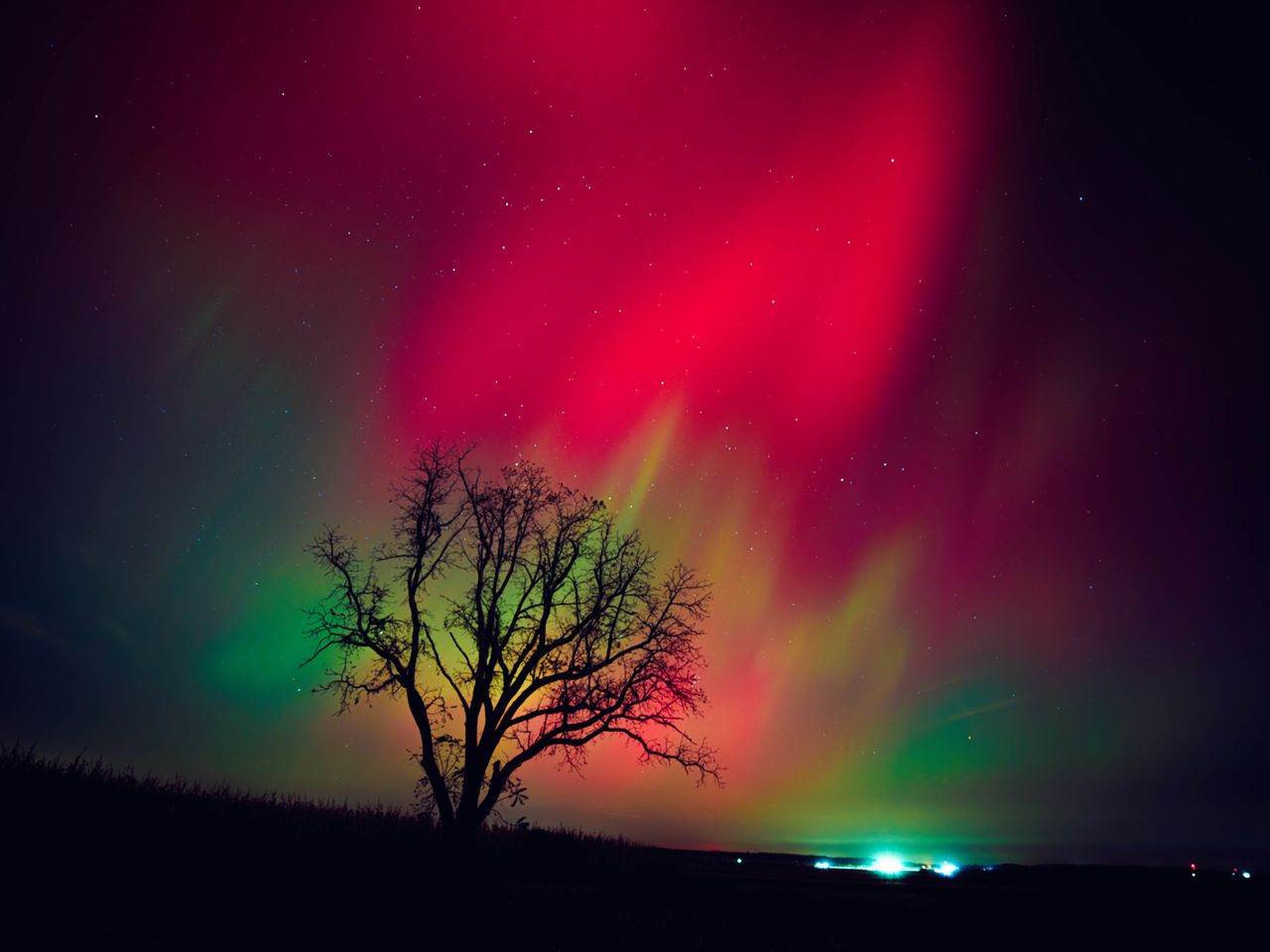 The lights are seen in Wisconsin.
NurPhoto via Getty Images
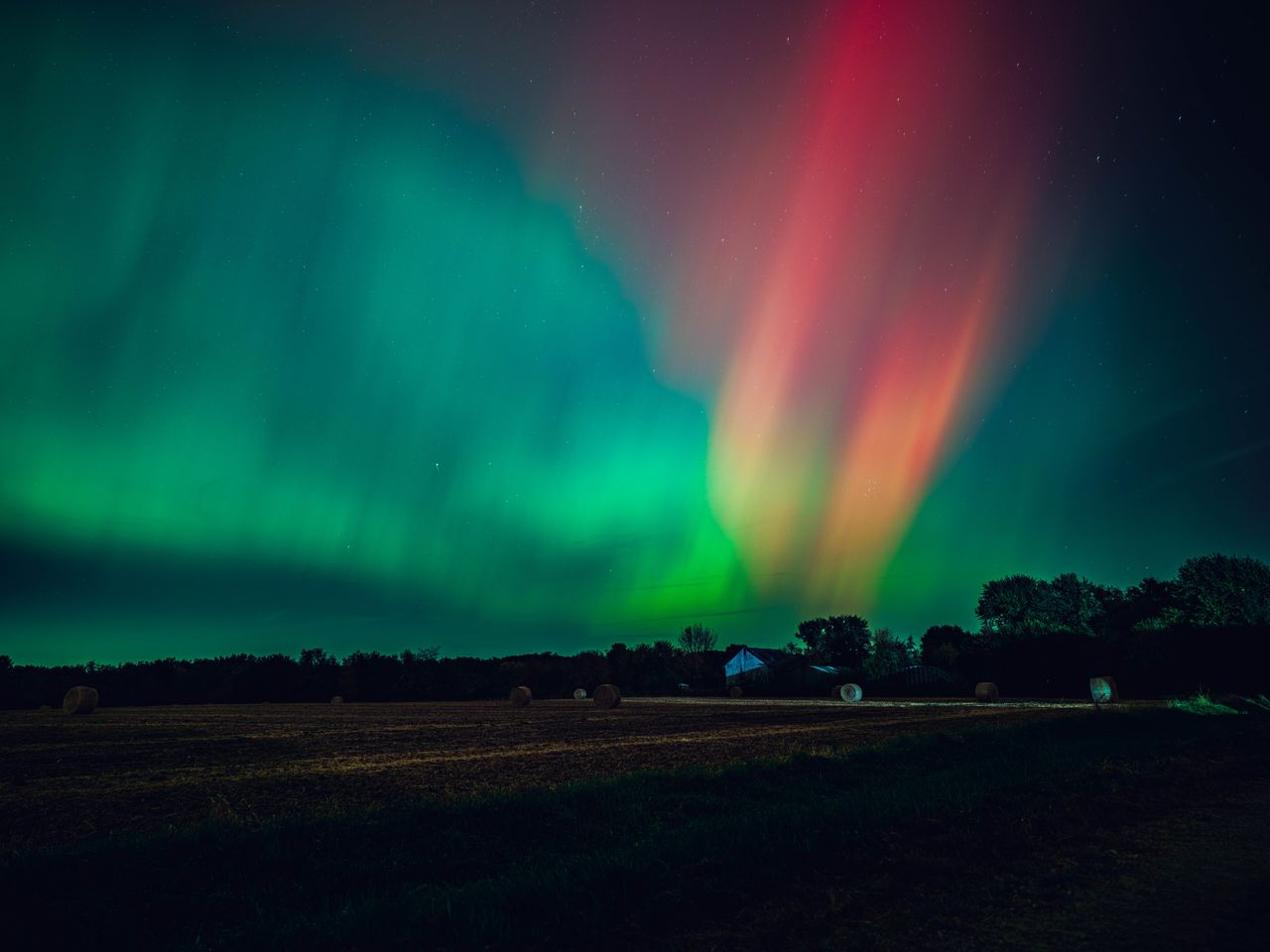 The lights are seen in Wisconsin.
NurPhoto via Getty Images
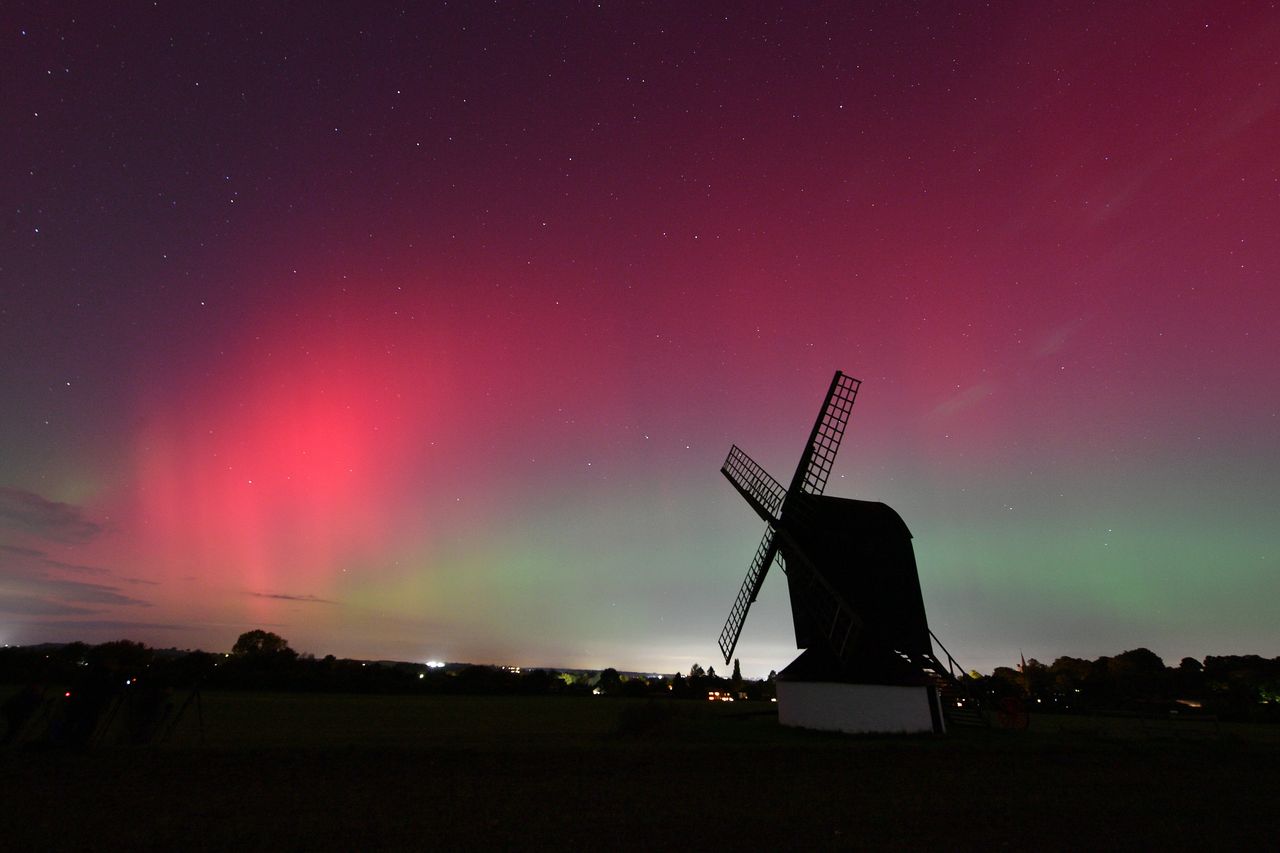 The lights are seen in Pitstone, England.
Jim Dyson via Getty Images
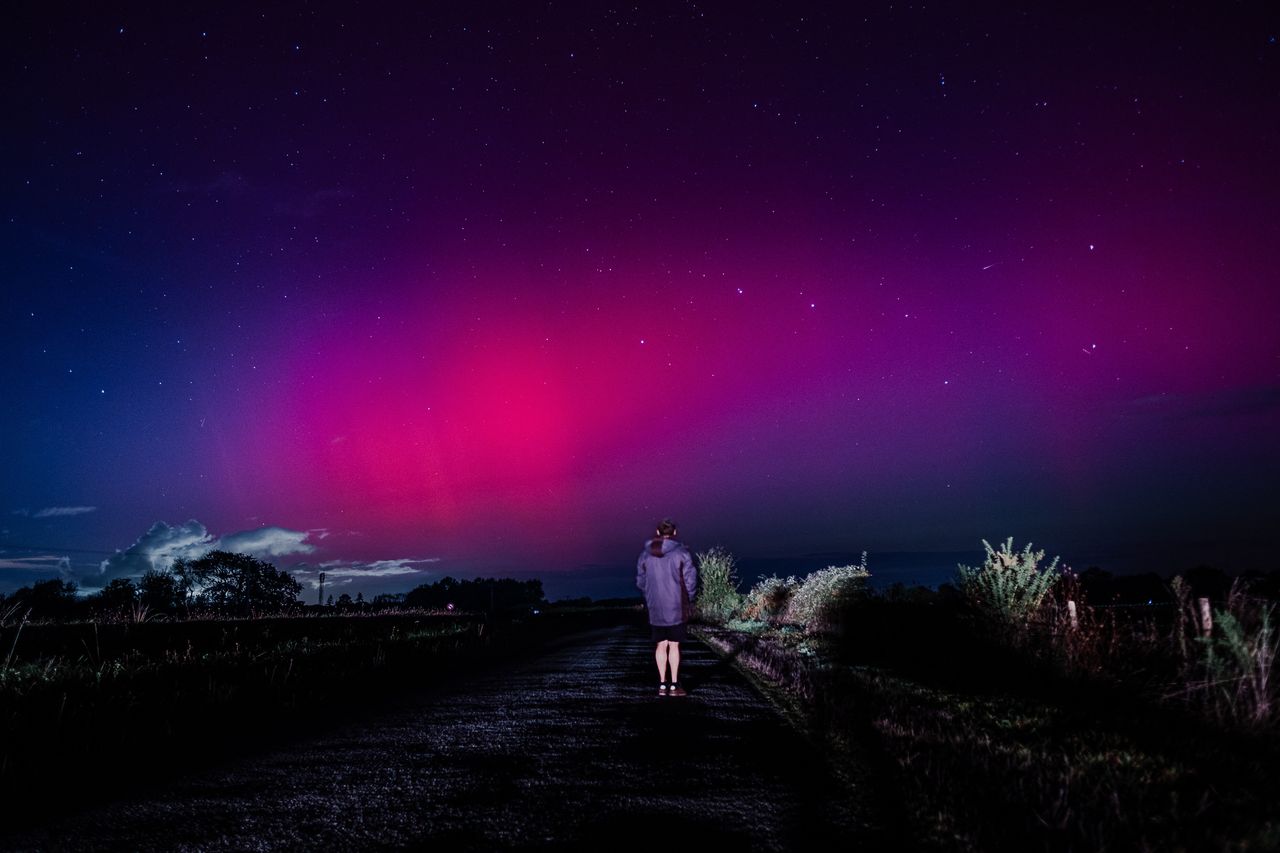 The lights are seen in Loire-Atlantique, western France.
MAYLIS ROLLAND via Getty Images
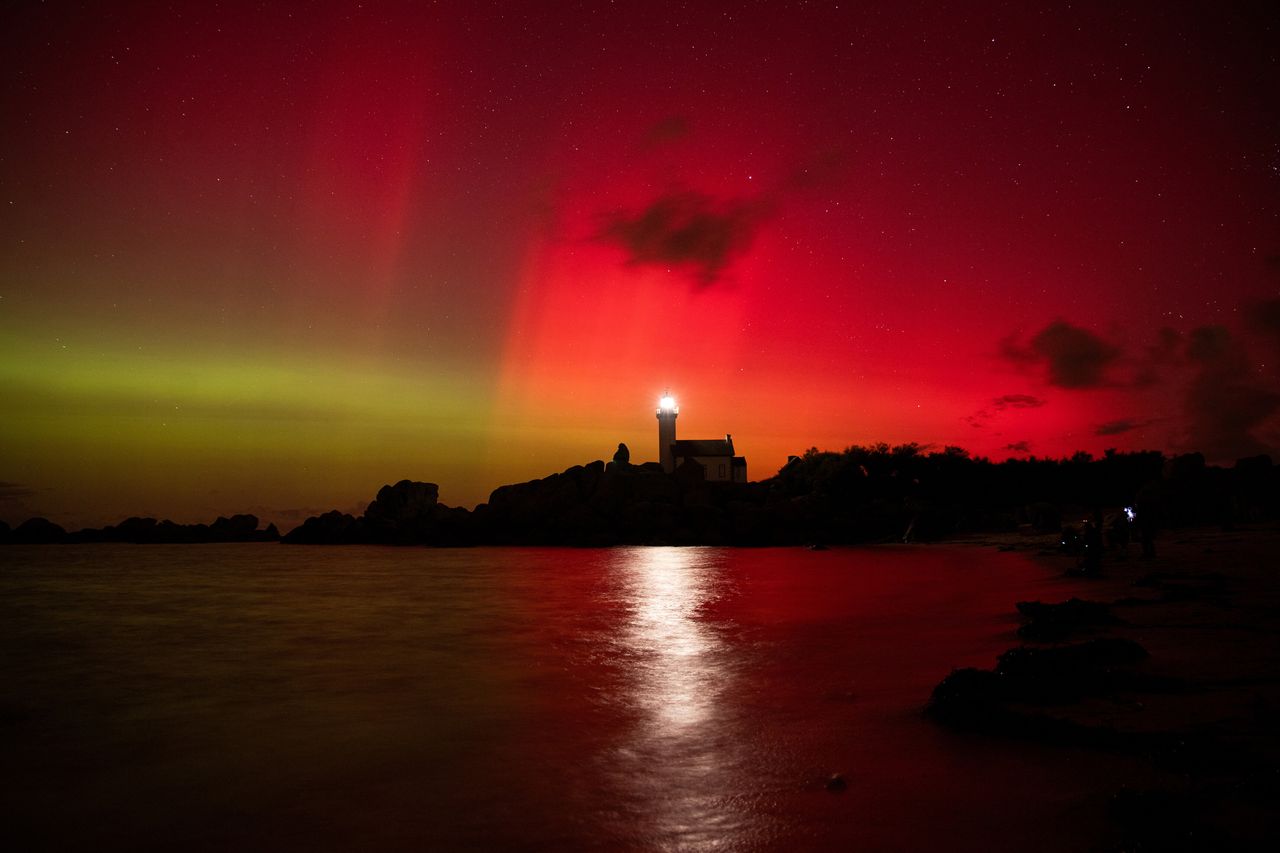 The lights are seen in Brignogan, North Finistere, France.
VINCENT FEURAY via Getty Images
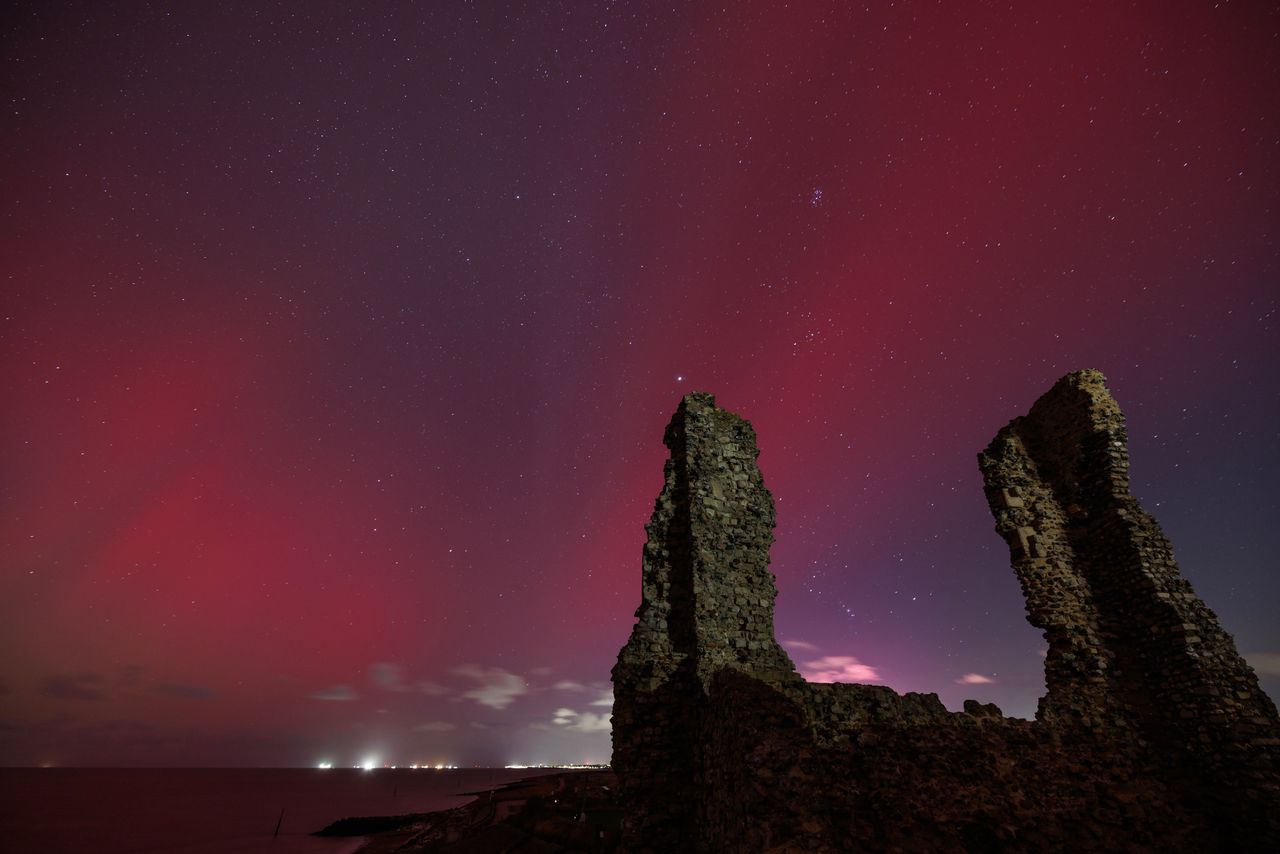 The lights are seen in Herne Bay, England.
Dan Kitwood via Getty Images
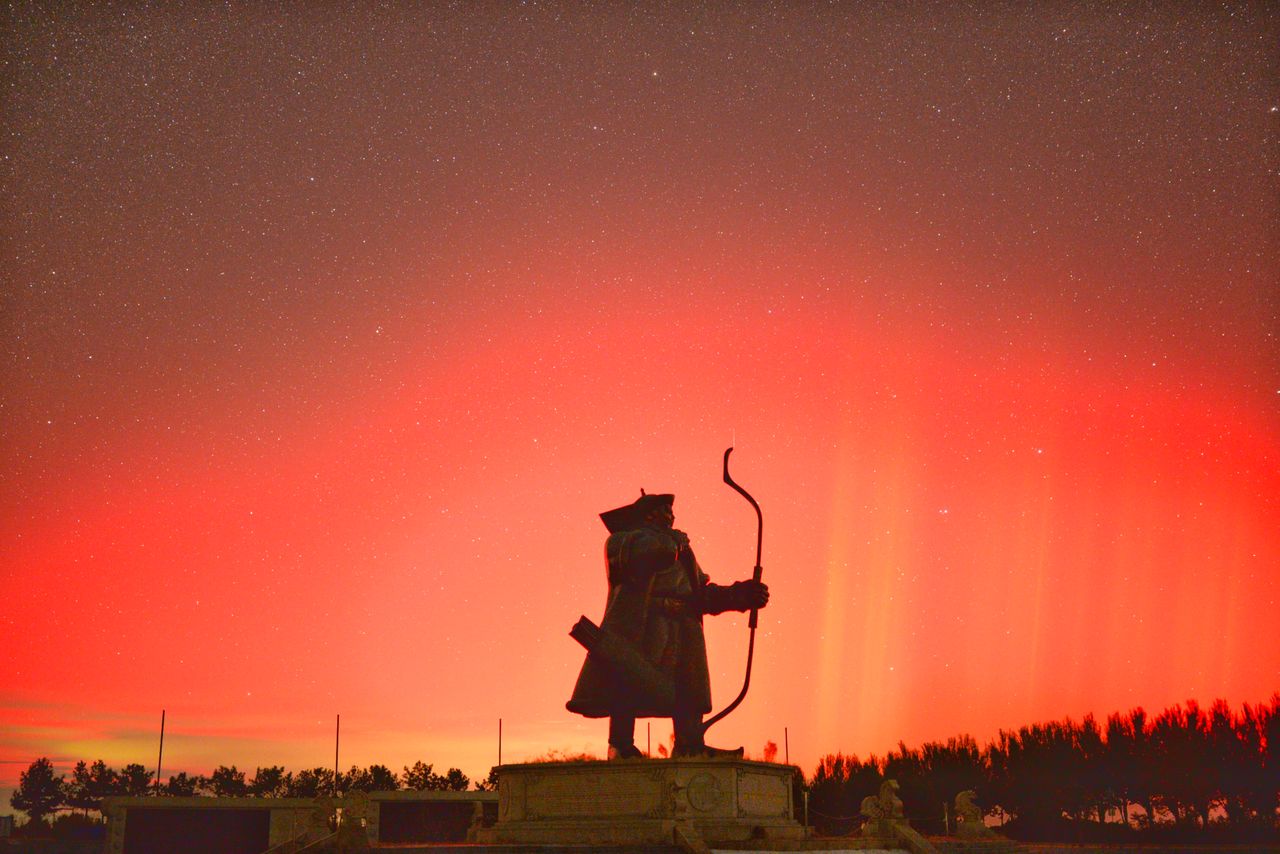 The lights are seen in Daqing, Heilongjiang Province of China.
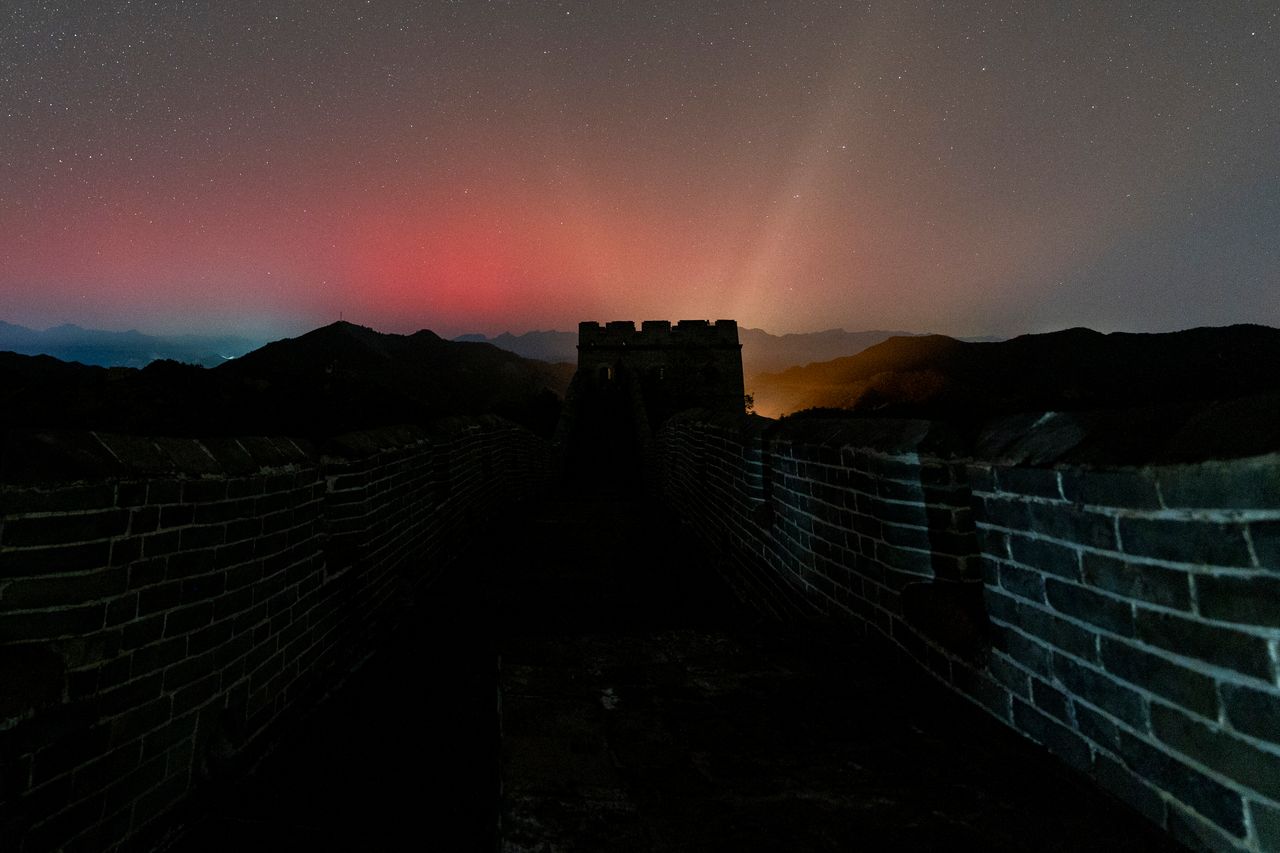 The lights are seen over the Jinshanling Great Wall in Chengde, Hebei Province of China.
 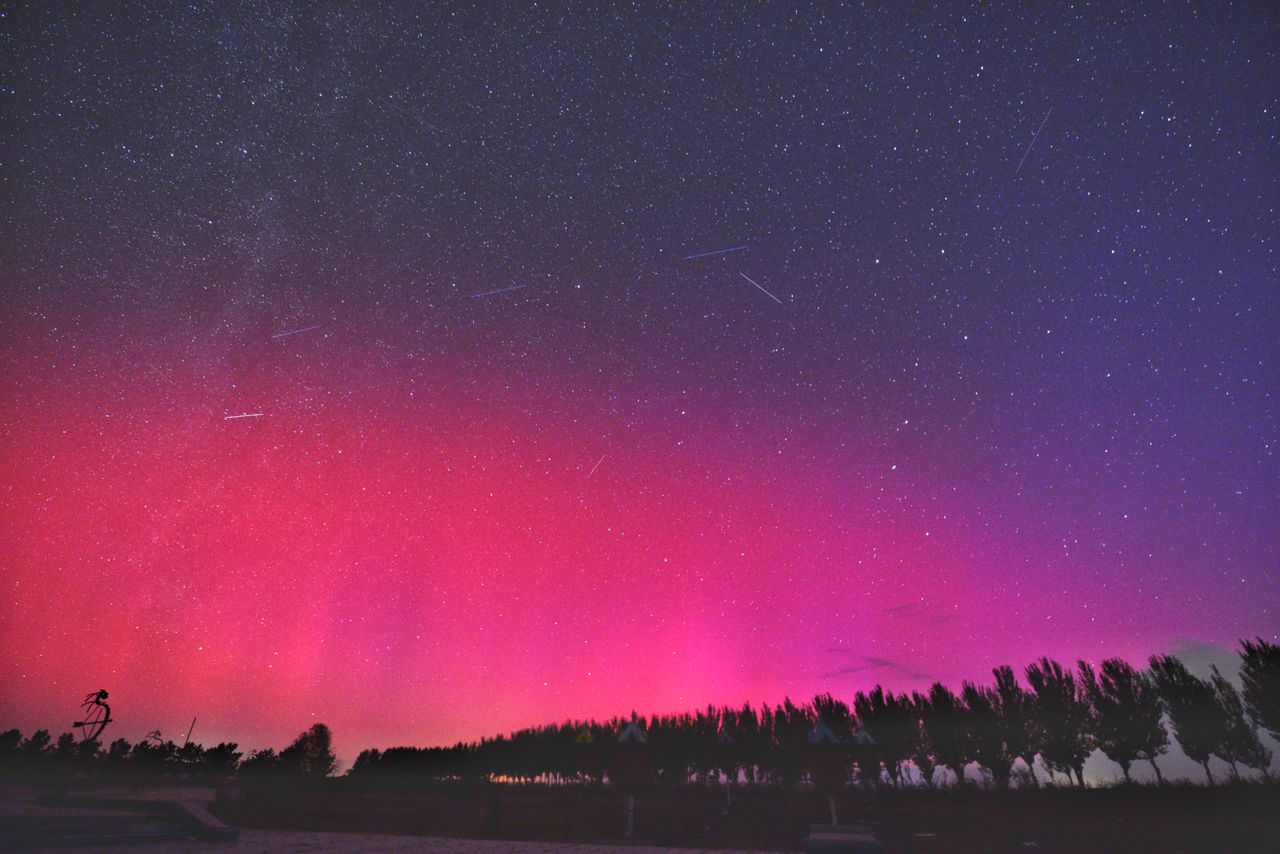 The lights are seen in Daqing, Heilongjiang Province of China.
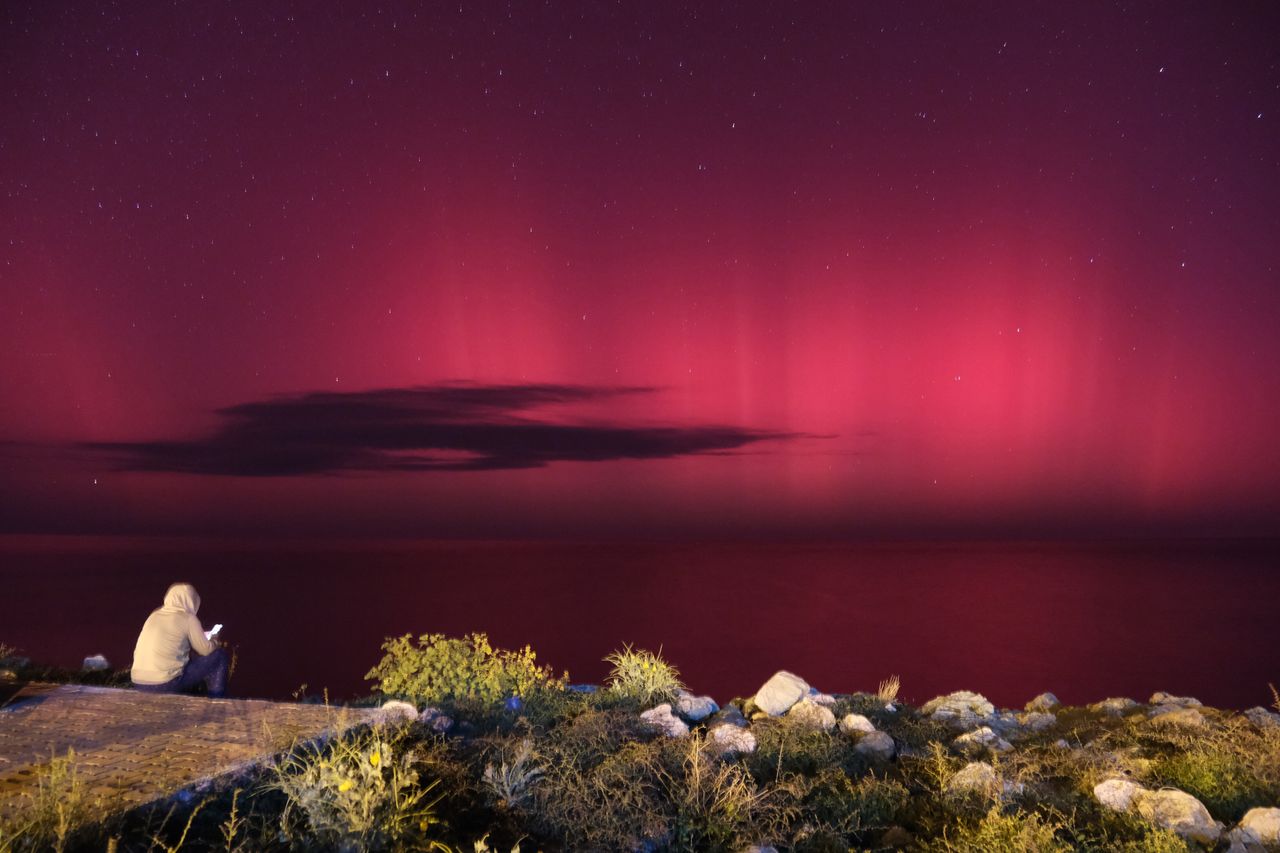 The lights are seen in Kastamonu, Turkey.
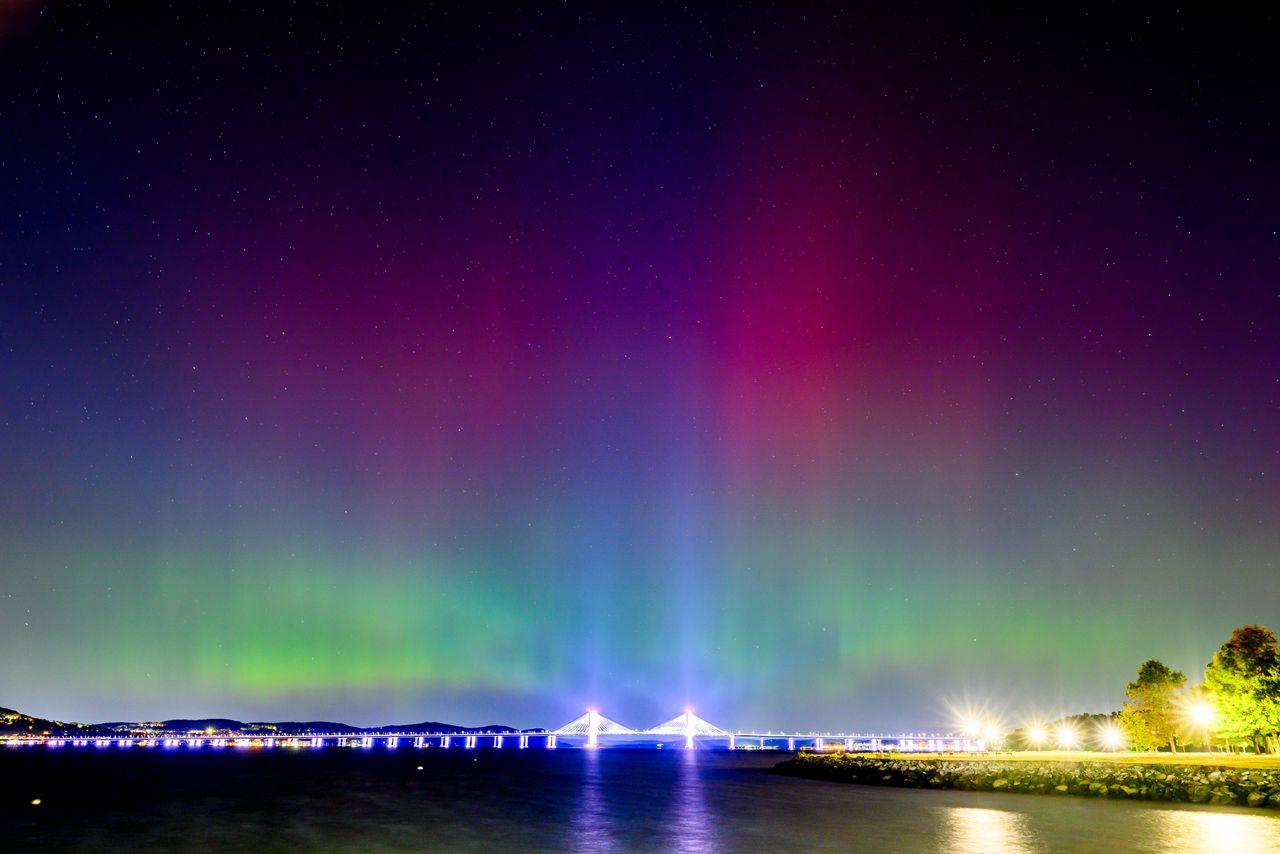 The lights are seen over the Tappan Zee or Governor Mario M. Cuomo Bridge near New York City.
Roy Rochlin via Getty Images
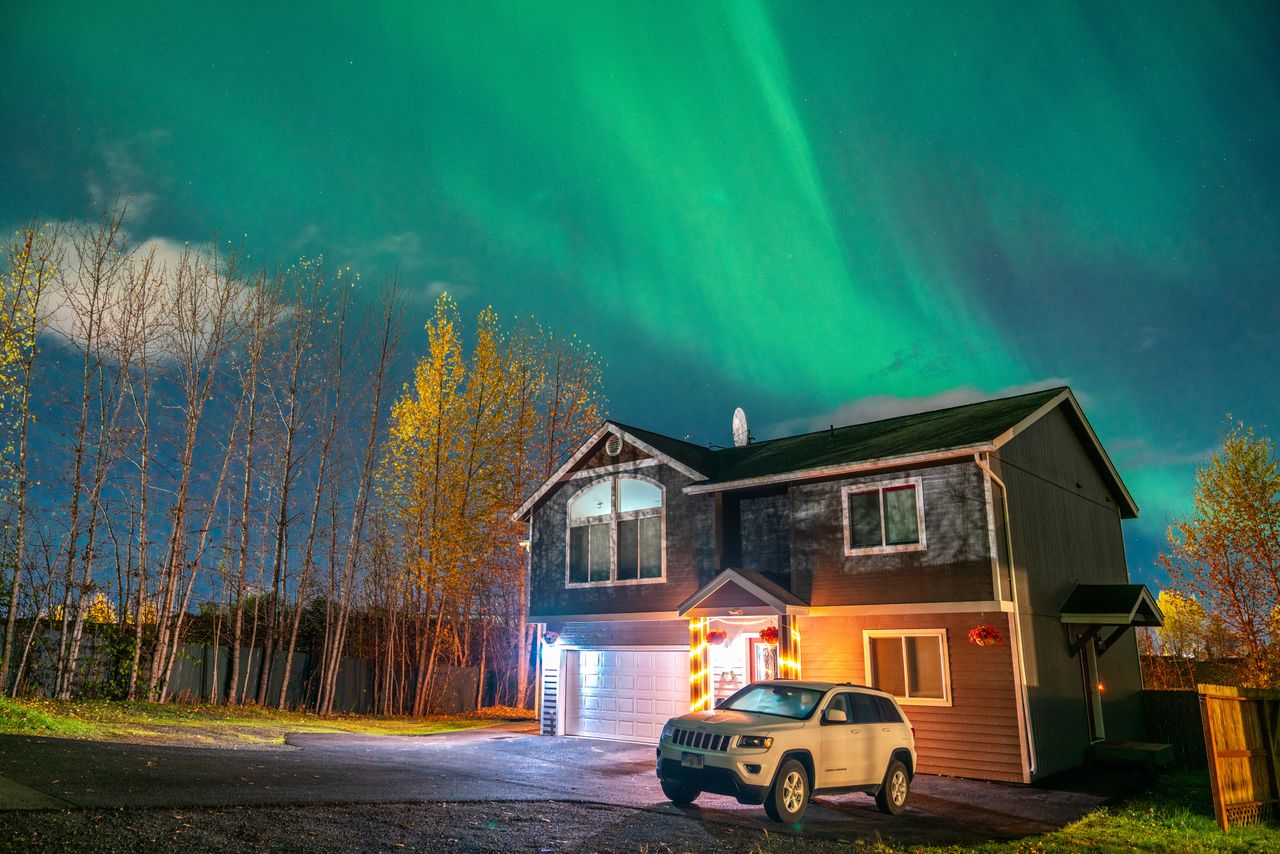 The lights are seen in Alaska.
Hasan Akbas/Anadolu via Getty Images
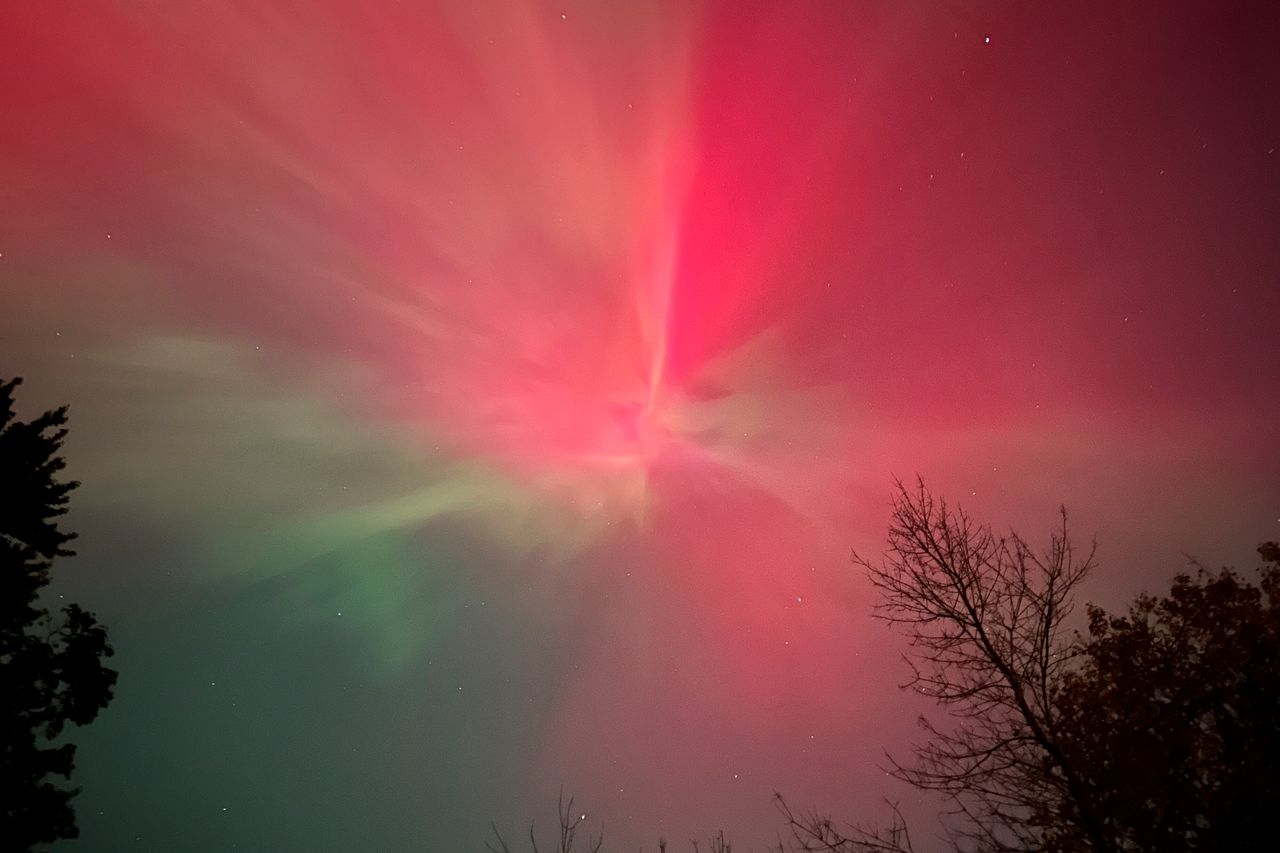 The lights are seen in Falmouth, Maine.
Source link : http://www.bing.com/news/apiclick.aspx?ref=FexRss&aid=&tid=6709b056de5e4c59b8fbd1d455558f34&url=https%3A%2F%2Fwww.huffpost.com%2Fentry%2Fnorthern-lights-aurora-borealis-how-to-view_n_67096907e4b0c2f4a1350bbe&c=17234128861136076935&mkt=en-us
Author :
Publish date : 2024-10-11 12:09:00
Copyright for syndicated content belongs to the linked Source.