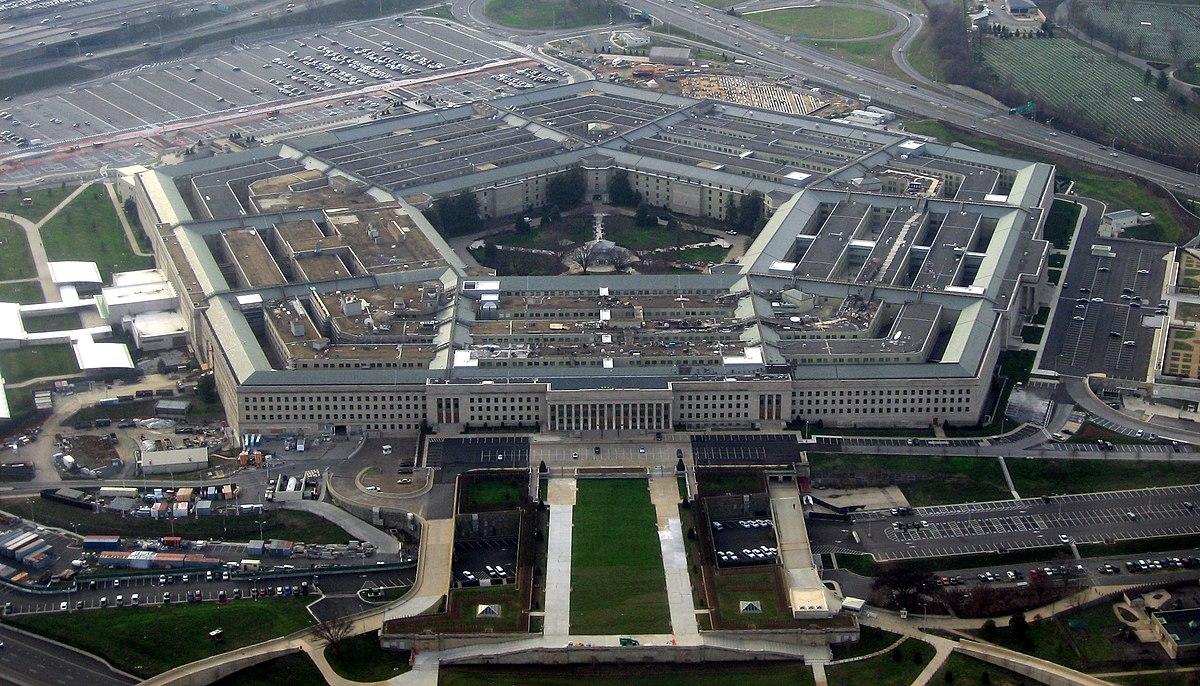
In a significant strategic realignment, the Pentagon has officially placed Greenland under the jurisdiction of the U.S. Northern Command, a move that underscores the increasing importance of the Arctic region in national security planning. This decision, announced amidst growing geopolitical tensions and the accelerating impacts of climate change, marks a pivotal shift in the United States’ defense posture towards one of the world’s most environmentally and geopolitically sensitive areas. As military operations in the Arctic become a focal point for both climate adaptation and strategic response, analysts are closely examining the implications of this realignment for regional security dynamics, international relations, and the future of U.S. defense initiatives in the North. The move signals not only a commitment to safeguarding national interests in the far north but also a response to heightened attention from both Russian and Chinese activities in the Arctic, raising questions about the balance of power and collaboration in this rapidly changing environment.
Pentagon’s Strategic Shift in Greenland Enhances Arctic Defense Capabilities
The recent decision to integrate Greenland into the US Northern Command marks a significant recalibration of military strategy in the Arctic region. This pivotal enhancement of defense capabilities is driven by growing concerns over geopolitical tensions and the need for increased readiness in Arctic operations. The strategic placement of assets in Greenland allows for improved surveillance, training, and operational efficiency, ensuring that the United States can effectively respond to any threats that may arise in this critical area. As nations compete for dominance over Arctic resources and shipping routes, this redeployment underscores a commitment to safeguarding national interests.
As part of this strategic shift, the Pentagon plans to bolster its military presence with advanced technology and infrastructure development. Key initiatives include:
- Deployment of Advanced Sensors: Enhancing situational awareness through cutting-edge surveillance technologies.
- Increased Air Mobility: Establishing air bases to support rapid troop and supply movement across the Arctic.
- Collaboration with Allies: Strengthening partnerships with NATO allies for joint operational capabilities.
Moreover, the investment in Greenland serves not just military purposes but also positively impacts local communities by creating job opportunities and fostering economic growth. This multifaceted approach signals a comprehensive strategy aimed at reinforcing the United States’ foothold in the Arctic while addressing the complexities of climate change and maritime navigation in the region.
Key Takeaways
In conclusion, the Pentagon’s decision to place Greenland under the operational oversight of the U.S. Northern Command marks a significant shift in the strategic landscape of the Arctic region. This move not only underscores the United States’ commitment to enhancing its defense posture in response to growing geopolitical tensions but also highlights the increasing importance of Greenland as a pivotal point in national security considerations. As global interest in the Arctic continues to rise, the implications of this realignment may extend far beyond military readiness, influencing diplomatic relations and resource management in this vital area. The coming months will be critical as stakeholders and observers alike assess the operational and political ramifications of this development, which could reshape the dynamics of Arctic sovereignty and security.