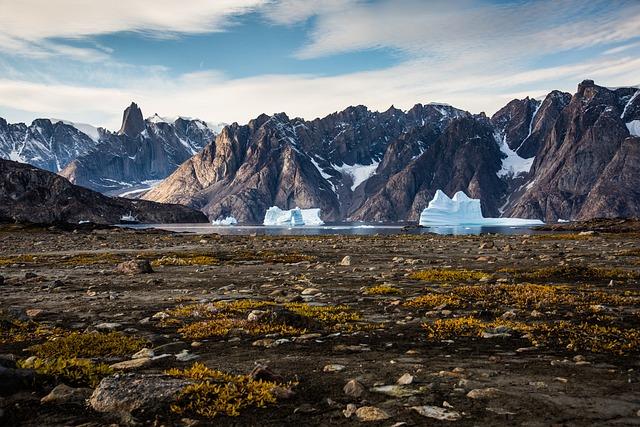
In a developing diplomatic tension, the United States and Denmark are grappling with a “fundamental disagreement” regarding the strategic significance and future governance of Greenland. This debate has been rekindled amid growing global interest in the Arctic as climate change opens new shipping routes and reveals untapped natural resources. The complexities of this relationship highlight not only historical ties but also competing geopolitical interests, as both nations seek to assert their influence in the region. As discussions unfold, the implications of this disagreement could reverberate across international relations, environmental policies, and indigenous rights in the Arctic.
Tensions Persist: Analyzing the Underlying Issues Behind the US-Greenland Disagreement
The ongoing disagreement between the United States and Greenland revolves around fundamental issues of sovereignty and autonomy, dating back several decades. Greenland’s push for increased self-determination is met with U.S. interests that center on geopolitical strategy and resource exploitation. Key areas of contention include:
- Sovereignty Disputes: Greenland’s pursuit of independence from Denmark contrasts with U.S. ambitions that often prioritize military and economic interests in the Arctic.
- Resource Management: The vast mineral and oil reserves in Greenland have attracted U.S. attention, complicating discussions around who controls these resources.
- Strategic Presence: Greenland’s geographic position is vital for U.S. military posturing against perceived threats, like Russia and China, further straining relations.
Furthermore, the narrative surrounding climate change has added another layer of complexity. As the Arctic warms and ice levels decline, both nations find themselves navigating treacherous waters regarding environmental protections and indigenous rights. The U.S. prioritization of military readiness may clash with Greenland’s goals of sustainable development and conservation. Notably, recent discussions have highlighted:
| Issue | U.S. Position | Greenland Position |
|---|---|---|
| Military Presence | Enhance strategic bases | Concerns over sovereignty |
| Resource Extraction | Support for mining | Emphasis on environmental protection |
| Climate Policies | Focus on security | Push for sustainability |
Path Forward: Recommendations for Diplomatic Engagement and Collaborative Solutions
In light of the ongoing tensions over Greenland’s sovereignty and the contrasting visions for its future, it is crucial for the U.S. and Denmark to prioritize diplomatic dialogue. Constructive engagement should focus on recognizing mutual interests and addressing areas of concern through collaborative approaches. This could involve:
- Regular bilateral meetings to foster communication between U.S. and Danish officials.
- Joint task forces aimed at environmental sustainability and indigenous rights in Greenland.
- Cultural exchanges and public diplomacy initiatives to enhance understanding of local perspectives.
Additionally, it is important to lay the groundwork for long-term agreements that reflect both parties’ interests. Establishing framework agreements on resource sharing and military presence can serve as a foundation for stability. A suggested model could include:
| Area | Recommendation |
|---|---|
| Resource Management | Form a co-management board involving local stakeholders. |
| Environmental Protection | Implement joint conservation projects focused on climate resilience. |
| Security Collaboration | Create shared security frameworks to address regional threats. |
Through such frameworks and ongoing dialogue, both nations can work towards a balanced approach that respects Greenland’s autonomy while addressing geopolitical interests. Cultivating a spirit of cooperation will not only enhance bilateral relations but also promote stability in the Arctic region.
Concluding Remarks
In conclusion, the enduring “fundamental disagreement” between the United States and Denmark over Greenland underscores the complexities of international relations in the Arctic region. As geopolitical interests intensify and climate change continues to reshape the landscape, both nations face the challenge of navigating their respective aspirations while maintaining stability and cooperation in this strategically significant area. Moving forward, it will be crucial for U.S. and Danish officials to engage in meaningful dialogue to address these tensions and foster a partnership that respects the rights of Greenlandic people while promoting sustainable development in the region. As stakeholders continue to assess the implications of these disagreements, the fate of Greenland and its resources remains a focal point in global discussions on sovereignty and environmental stewardship.