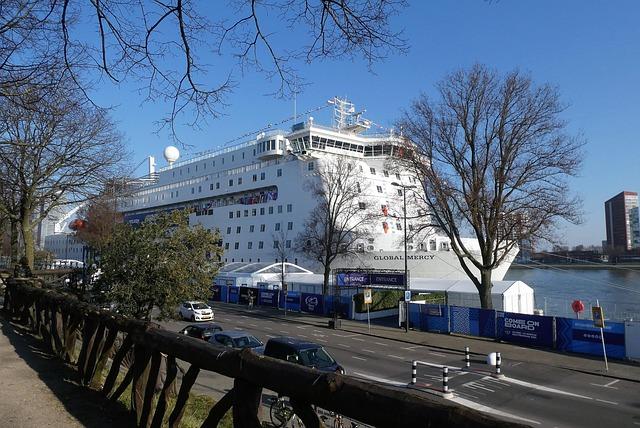
In a surprising geopolitical twist, former President Donald Trump announced plans to dispatch a hospital ship to Greenland, a self-governing territory of Denmark, amid ongoing discussions surrounding U.S.-Greenland relations. The move comes as a response to what Trump described as a need for enhanced medical support in the Arctic region. However, Greenland’s government swiftly rejected the offer, emphasizing its capacity to manage its own healthcare services and reinforcing its commitment to sovereignty. This exchange highlights the complexities of international diplomacy and the varying perceptions of external assistance, as both parties navigate their unique political landscapes.
Trump’s Proposal for Hospital Boat in Greenland Raises Questions Amidst Local Opposition
The proposal to deploy a hospital boat to Greenland by former President Donald Trump has elicited significant skepticism from local officials and residents alike. While proponents of the initiative argue that it could deliver critical healthcare services to remote areas, opponents express concern regarding its practicality and potential waste of resources. Local authorities have voiced their objections, stating that they already possess sufficient healthcare infrastructure, which raises questions about the necessity of an external solution. This sentiment is further underscored by the cultural and political implications of a U.S. initiative in a territory that has historically maintained its autonomy.
Furthermore, several key issues have emerged in response to the announcement:
- Funding Concerns: There is uncertainty over how the initiative would be financed and managed, stirring fears of unexpected costs for local taxpayers.
- Cultural Sensitivity: Many Greenlanders feel that external interventions may undermine their self-determination and local decision-making.
- Logistical Challenges: The practicalities of operating a hospital boat in the harsh Arctic conditions have raised doubts about its effectiveness and operational viability.
In light of these factors, the initiative seems to face an uphill battle for acceptance amidst a populace that prioritizes both autonomy and well-established healthcare solutions.
Analyzing the Implications of Greenland’s Rejection and the Future of US-Danish Relations
Greenland’s firm response to the proposed hospital boat from the U.S. sends ripples through diplomatic channels, underscoring the complexities of Arctic geopolitics and local sovereignty. The rejection reflects a growing sentiment among Greenlanders to assert their independence from perceived external control. Key considerations surrounding this development include:
- National Identity: Greenland’s leaders emphasize a desire to shape their own future, free from foreign intervention.
- Geopolitical Tensions: The Arctic region, rich in resources and strategic routes, is increasingly contested among global powers.
- Collaborative Opportunities: Despite this rejection, there remains potential for U.S.-Danish collaborations on issues like climate change and sustainable development.
As the U.S. reassesses its Arctic strategy, the implications of Greenland’s decision could potentially recalibrate US-Danish relations. The approval of Arctic policies by Denmark is crucial for American interests, particularly as they relate to defense and ecological initiatives. Analyzing Denmark’s influence, especially in light of its close ties with the autonomous Greenlandic government, offers insights into future diplomatic engagements. A summary of potential U.S.-Danish relations post-rejection includes:
| Potential Collaborations | Challenges Faced |
|---|---|
| Climate Research Initiatives | Local Resistance to External Projects |
| Military Cooperation | Geopolitical Rivalries in the Arctic |
| Resource Management Agreements | Environmental Concerns |
The Conclusion
In summary, President Trump’s proposal to send a hospital boat to Greenland has been met with swift resistance from local authorities, who emphasize their preference for autonomy and self-determination. The interaction underscores the delicate balance of power and diplomacy that shapes U.S.-Greenland relations. As the situation unfolds, it remains to be seen how this episode will impact future engagements between the two parties. For now, Greenland has made its position clear: it appreciates the gesture but is content managing its own healthcare needs. As international diplomacy continues to evolve in this region, stakeholders will be watching closely to determine its implications for both Greenland and the broader geopolitical landscape.