
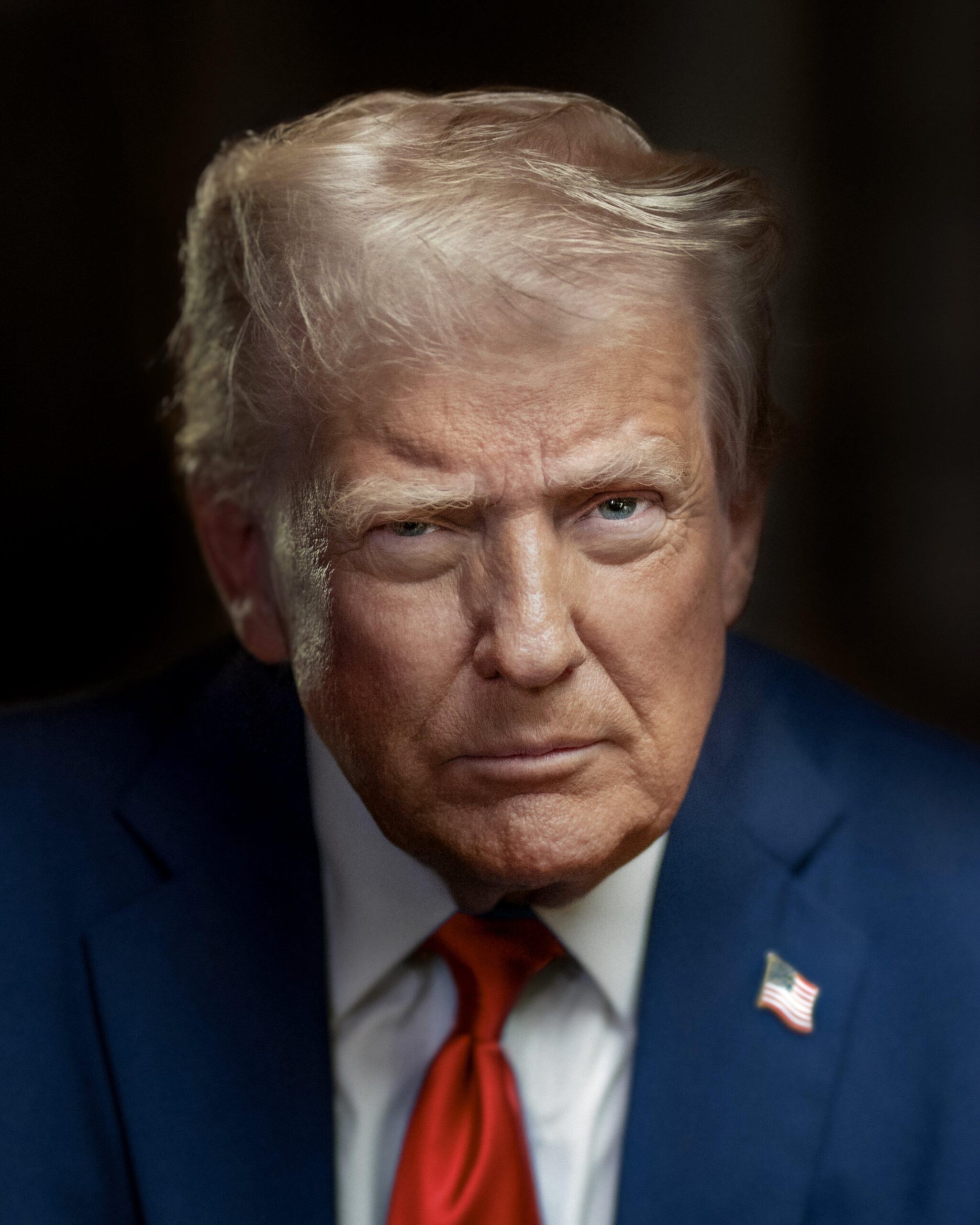
Title: Unpacking the Paradox: Trump’s Greenland Acquisition Ambition
In the realm of international geopolitics, few proposals have stirred as much intrigue and controversy as former President Donald Trump’s interest in acquiring Greenland, the world’s largest island. This audacious notion, first floated during his tenure in the White House, has raised eyebrows and prompted a flurry of questions about its implications for diplomacy, economics, and climate change. As the debate surrounding this polarizing topic heats up once again, it’s essential to dissect the motivations behind such a pursuit. What strategic advantages does Trump envision for the United States in this remote territory? And what does this ambition reveal about broader American foreign policy goals? This article delves into the multifaceted reasons behind Trump’s desire to buy Greenland, exploring historical contexts, potential benefits, and the responses from Greenlandic leaders and the international community.
Understanding Donald Trump’s Strategic Interest in Greenland’s Resources
Donald Trump’s interest in acquiring Greenland goes beyond mere real estate; it taps into a broader narrative of strategic resource management in an era where natural resources are increasingly coveted. Greenland is rich in valuable minerals, including rare earth elements, which are crucial in the manufacturing of electronics, renewable energy technologies, and defense systems. As globalization intensifies competition for these resources, the acquisition of such a landmass could significantly enhance the United States’ resource security and reduce dependency on foreign suppliers. Additionally, the melting ice caps in the Arctic are opening up new shipping routes and accessing untapped oil and gas reserves, making Greenland not just a territory of interest but a potential geopolitical stronghold in the evolving landscape of climate change and its implications for global trade.
Furthermore, the geopolitical implications of owning Greenland align with Trump’s broader vision of asserting American dominance on the world stage. By obtaining control over Greenland, the U.S. would be fortifying its influence over Arctic affairs, potentially countering Russian claims in the region while strengthening ties with NATO allies. This geopolitical maneuvering reflects a growing urgency to secure strategic assets in the face of a shifting global order. The following highlights underline why Greenland’s resources are of such significant interest:
- Mineral Wealth: Contains reserves of rare earth metals and other valuable minerals.
- Energy Resources: Potential oil and gas reserves become more accessible due to climate change.
- Geopolitical Significance: Control over Arctic routes and strengthening military presence in a vital region.
Exploring the Implications of Greenland’s Acquisition for Global Geopolitics
The prospect of Greenland becoming part of the United States raises significant questions about the realignment of global power dynamics. As an expansive landmass rich in natural resources and strategically located between North America and Europe, Greenland’s acquisition could bolster U.S. influence in the Arctic region. This area has seen increased military interest due to melting ice caps revealing new shipping routes and untapped mineral wealth, which are intensely sought after by world powers. If the U.S. were to formally acquire Greenland, it wouldn’t just be about land; it would represent a shift in the balance of power potentially threatening the longstanding interests of nations such as Russia and China.
Furthermore, the move could catalyze a race for territorial claims and investments in the Arctic, altering the cooperation frameworks that have existed in the region. The implications would be multifaceted:
- Economic Opportunities: Increased access to resources like oil, gas, and rare minerals.
- Military Factors: Establishment of military bases to enhance strategic capabilities.
- Environmental Considerations: Greater attention to climate change impact and indigenous rights.
| Implication | Potential Impact |
|---|---|
| Geopolitical Tensions | Increased rivalry with Russia and China |
| Resource Management | Expedited exploration and extraction protocols |
| Environmental Risks | Heightened ecological vulnerability and debates around sovereignty |
In Conclusion
In summary, Donald Trump’s interest in purchasing Greenland reflects a complex interplay of geopolitical strategy, economic considerations, and historical context. While the idea of acquiring this vast territory may seem unconventional, it underscores a broader strategy aimed at expanding U.S. influence in the Arctic region amid increasing international competition. As the world’s attention shifts to the implications of climate change and resource accessibility, Greenland’s strategic value is likely to prompt ongoing discussions about territorial sovereignty and economic partnerships. Whether this proposal will gain traction or remain a speculative notion, it certainly highlights the unique and often unpredictable nature of modern diplomacy. As the situation unfolds, it will be crucial to monitor the responses from both Greenland and Denmark, as well as the broader implications for international relations in the Arctic.









