
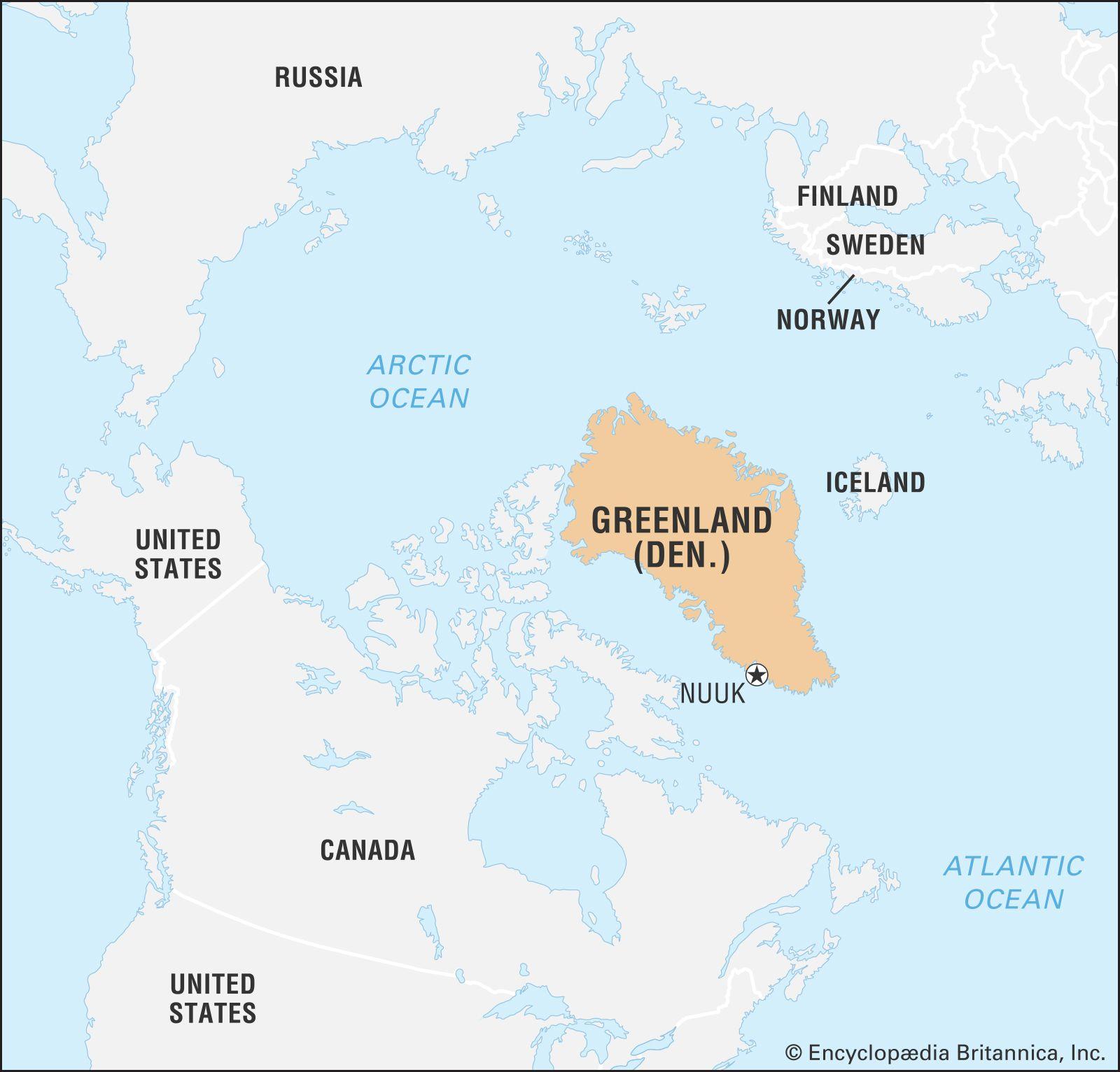
Trump Places Greenland Under US Northern Command: A Strategic Move in Arctic Politics
In a bold maneuver that underscores the growing geopolitical significance of the Arctic region, former President Donald Trump has officially designated Greenland under the jurisdiction of the United States Northern Command (NORTHCOM). This decision, made public in the wake of heightened tensions and strategic competition in the High North, reflects a shifting focus toward enhancing national security interests while asserting US influence over the resource-rich territory. Observers argue that the move may reshape the dynamics of Arctic governance, prompting reactions from both allies and rivals. As nations vie for control over the region’s untapped resources and shipping routes, the implications of this strategic reallocation continue to reverberate across international borders, igniting discussions surrounding sovereignty, military readiness, and environmental stewardship in one of the world’s most fragile ecosystems.
Trump’s Strategic Move: Analyzing the Implications of Placing Greenland Under US Northern Command
The recent decision to place Greenland under the jurisdiction of US Northern Command has sparked considerable debate within geopolitical circles. This move is not merely a logistical adjustment; it signals a profound shift in the United States’ strategic posture in the Arctic region. By elevating Greenland’s status within its military framework, the Trump administration aims to bolster its efforts in monitoring and countering foreign influence, primarily from Russia and China. The implications for international relations are significant, as this realignment could exacerbate already tense dynamics, particularly concerning resource exploration and territorial claims in the Arctic. Key considerations include:
- Increased Military Presence: A strengthened U.S. footprint in Greenland may lead to enhanced surveillance and defense capabilities.
- Resource Control: Control over Greenland’s resources becomes vital, particularly as climate changes open new avenues for exploration.
- Political Alliances: The change could reconfigure alliances, drawing in NATO allies and pushing away adversaries.
Furthermore, the environmental implications cannot be ignored. Greenland’s landscape is changing rapidly due to climate shifts, which not only affect its indigenous populations but also heighten geopolitical stakes. The U.S.’s commitment to safeguarding its territorial interests could lead to increased tensions with countries that claim various Arctic territories. Moreover, placing Greenland under Northern Command may also represent a deterrent to aggressive actions by non-NATO states in the region, while simultaneously igniting discussions about the sustainability of military operations in environmentally sensitive areas. Relevant dynamics include:
| Aspect | Potential Impact |
|---|---|
| Geopolitical Stability | Increased tensions with Arctic nations. |
| Economic Opportunities | Access to untapped resources. |
| Environmental Concerns | Risk of ecological damage. |
Recommendations for Enhancing Arctic Security Cooperation in Light of Greenland’s New Command Structure
As Arctic security dynamics evolve with Greenland’s newly established command structure, enhancing cooperation among Arctic nations is paramount. Strengthening alliances can ensure a unified approach to addressing emerging threats while fostering diplomatic relations. Key recommendations include:
- Joint Military Exercises: Conduct regular multinational military drills to improve interoperability among Arctic nations’ forces.
- Shared Intelligence Framework: Develop a comprehensive framework for intelligence sharing focused on maritime and airspace security in the Arctic region.
- Environmental Cooperation: Collaborate on environmental protection initiatives to safeguard the Arctic ecosystem, which is increasingly threatened by military activities.
- Emergency Response Protocols: Establish standardized emergency response protocols to effectively address natural and man-made disasters in the region.
Furthermore, engaging indigenous communities in decision-making processes could enhance local perspectives that are crucial for sustainable development and security efforts. This approach not only respects the rights of indigenous peoples but also enriches the dialogue surrounding Arctic policies. To facilitate this involvement, Arctic nations might consider:
- Advisory Councils: Form councils consisting of indigenous representatives to provide insights on local security needs and practices.
- Education and Training Programs: Implement training initiatives targeting local communities to build capacity in maritime safety and environmental management.
| Action | Description |
|---|---|
| Establish Clear Guidelines | Create operational clarity among nations regarding military presence and activities in the Arctic. |
| Increased Funding | Allocate additional resources for research and collaborative projects focused on Arctic security challenges. |
Closing Remarks
In conclusion, President Trump’s recent decision to place Greenland under the jurisdiction of the U.S. Northern Command marks a significant shift in the geopolitical landscape of the Arctic region. This move, driven by strategic interests and heightened competition for resources in the high north, raises questions about the future of Greenland’s autonomy and the balance of power among Arctic nations. As the global community closely monitors the implications of this unprecedented directive, it remains to be seen how it will influence international relations, environmental policy, and the lives of the Greenlandic people. With the Arctic’s geopolitical stakes at an all-time high, this development underscores the importance of diplomacy and collaboration in navigating the complexities of the region’s future. High North News will continue to follow this evolving story, bringing you the latest updates and analysis on the implications of U.S. actions in Greenland and beyond.











