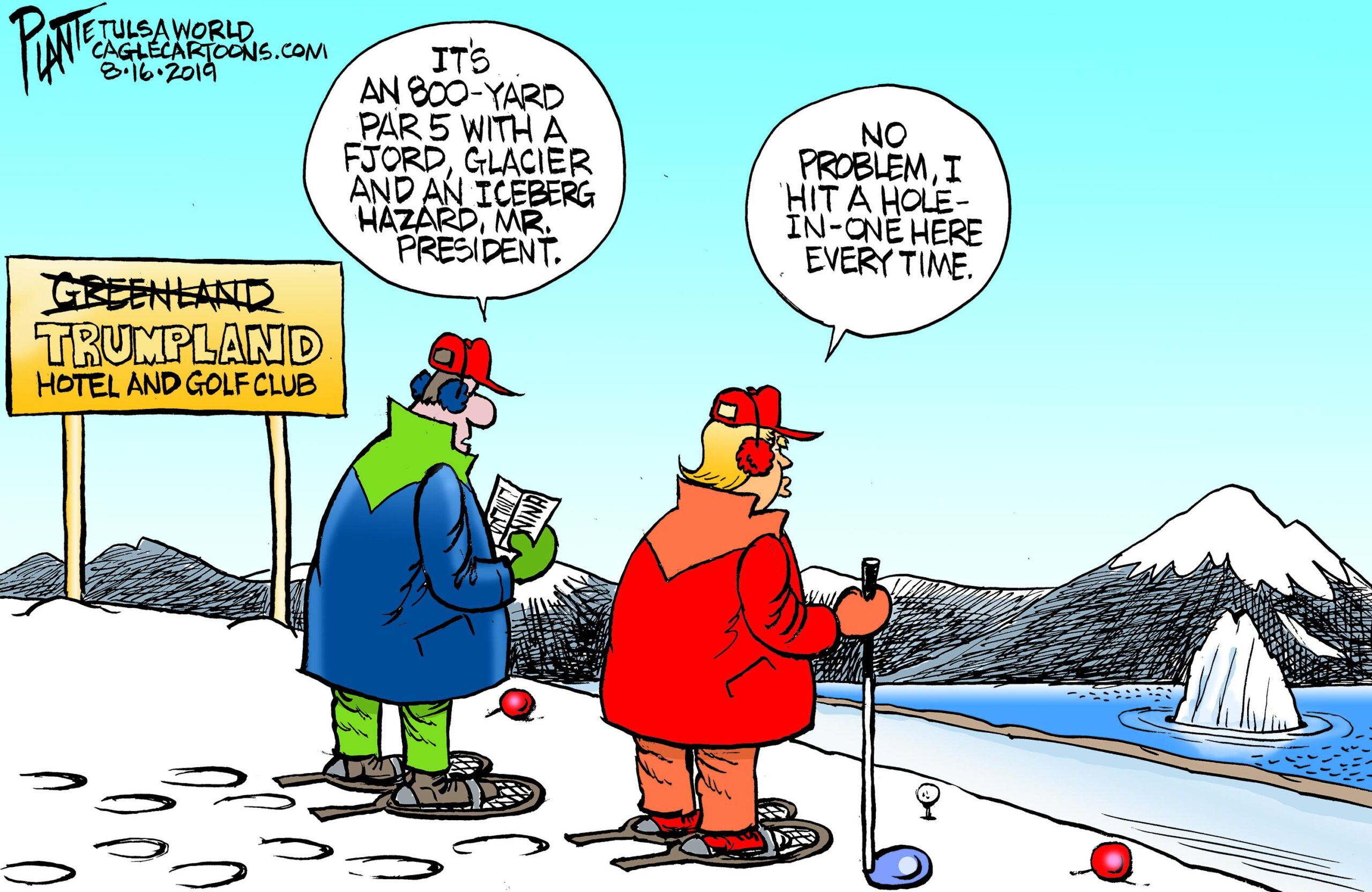
The Art of Trump’s Greenland Deal: A New Chapter of an Ancient Saga
High North News
In August 2019, the world was taken by surprise when then-President Donald Trump expressed a keen interest in purchasing Greenland, a vast and resource-rich territory of Denmark. What appeared to some as a whimsical notion quickly evolved into a diplomatic furor, sparking discussions that resonated far beyond the headlines. This unexpected proposal not only highlighted the strategic importance of the Arctic region but also reignited centuries-old narratives of land acquisition and geopolitical maneuvering. As the dialogue surrounding Trump’s Greenland deal waned, it left behind a tapestry woven from threads of history, ambition, and international relations. This article delves into the ramifications of this proposed transaction, considering its implications for Arctic sovereignty, global climate challenges, and the historical context that shapes our current understanding of territorial politics in the High North.
Understanding the Historical Context Behind Trump’s Greenland Deal
The attempt to purchase Greenland, while met with skepticism, can be traced back to a long history of geopolitical maneuvering in the Arctic region. The United States’ interest in Greenland is not a new phenomenon; it can be closely linked to historical perceptions of the Arctic as a valuable strategic asset. In the 19th century, this interest was perhaps most vividly represented by the U.S. efforts to secure naval bases during global conflicts and the Cold War. Greenland’s geographical location has always made it an integral part of discussions among world powers, especially concerning military strategy, resource exploration, and climate change implications.
Moreover, the idea of acquiring Greenland reflects broader themes in U.S. foreign policy, which have historically prioritized expansion and control over areas seen as economically and strategically important. This notion was resurfaced in Trump’s proposal, echoing a time when imperial ambitions shaped global politics. As nations circle the Arctic, viewing its icy expanse as a potential treasure trove of resources, including oil, minerals, and shipping routes, the interplay between national security and economic interests continues to drive discussions surrounding the U.S. stance on Greenland. The implications of such an acquisition could signal not just a new economic chapter for the U.S. but could reshape the diplomatic landscape with Denmark and other Arctic nations, urging a reevaluation of alliances and territorial claims.
| Geopolitical Era | Key Events |
|---|---|
| 19th Century | Struggles for naval bases during global conflicts |
| Cold War | Military strategic interests dominate discussions |
| Present Day | Resource exploration and climate change discussions |
Strategic Recommendations for Future U.S. Engagement in Arctic Diplomacy
As the United States considers its future role in Arctic diplomacy, a multi-faceted strategic approach is essential. Key recommendations for enhancing U.S. engagement include:
- Strengthening Bilateral Relationships: Enhancing diplomatic ties with Arctic nations, particularly Greenland and Canada, will foster mutual interests and collective security. Regular high-level meetings can pave the way for joint initiatives on resource management and environmental protection.
- Investing in Climate Research: Increased funding for climate science in the Arctic is vital. Collaborative research with international partners can provide insights into climate change, benefiting global knowledge while positioning the U.S. as a leader in environmental stewardship.
- Promoting Indigenous Involvement: Engaging Native Arctic communities in decision-making processes ensures that local voices are heard, promoting sustainable practices that respect traditional knowledge.
- Expanding Maritime Capabilities: Strengthening the U.S. Coast Guard and enhancing Arctic naval presence can ensure the safe navigation of shipping routes and protect U.S. interests in the region.
To implement these strategies effectively, the U.S. must adopt a flexible diplomatic framework that allows for adaptability to changing geopolitical dynamics. Establishing an Arctic governance body could facilitate coordinated responses to emerging challenges and opportunities, encompassing a diverse range of stakeholders, including scientific communities, environmental groups, and indigenous representatives. The following table outlines potential roles for U.S. agencies in Arctic policy:
| U.S. Agency | Potential Role |
|---|---|
| Department of State | Lead in diplomatic engagements and policy formulation. |
| National Oceanic and Atmospheric Administration (NOAA) | Provide climate data and predictions for informed decision-making. |
| U.S. Coast Guard | Ensure maritime safety and security in Arctic waters. |
| Department of Defense | Address national security concerns and strengthen military readiness. |
Final Thoughts
In conclusion, the proposal surrounding Trump’s Greenland deal underscores the intricate interplay between historical ambitions and contemporary geopolitics. As the United States seeks to reinforce its strategic presence in the Arctic, the echoes of past territorial disputes resurface, highlighting the ongoing significance of the region. This potential shift not only reflects a new chapter in international relations but also raises critical questions about sovereignty, environmental stewardship, and the future of Arctic communities. As policymakers and stakeholders navigate this complex landscape, the art of diplomacy will be put to the test, shaping the narrative of the High North for generations to come. As developments unfold, High North News will continue to provide in-depth analysis and updates, keeping readers informed on the implications of this significant geopolitical maneuver.