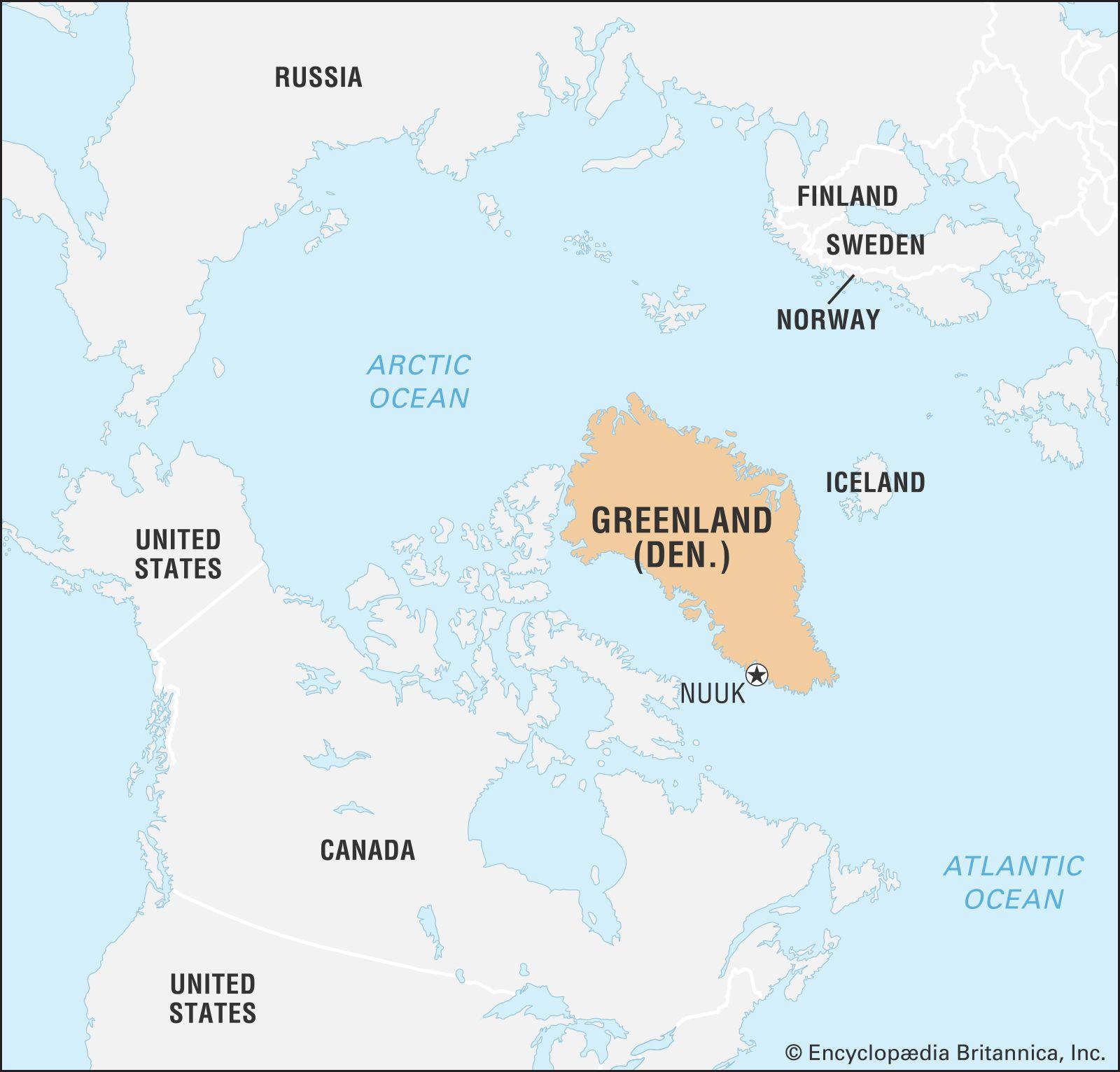
As Donald Trump Eyes Greenland and Arctic Resources, America’s Ambassadorship for the Region Goes Unfilled
In a rapidly changing geopolitical landscape, the Arctic has emerged as a focal point of international interest, particularly as nations vie for control over its abundant natural resources. As tensions escalate and competition intensifies, former President Donald Trump’s administration famously cast a spotlight on Greenland as a potential acquisition, signaling the strategic allure of the region. Yet, amid this heightened focus on the Arctic, a glaring void remains in U.S. diplomacy: the ambassadorship to the Arctic, a position crucial for navigating the complexities of Arctic politics and its environmental challenges, remains unfilled. This absence raises questions about America’s commitment to engaging with Arctic nations and securing its interests in a region poised for significant future developments. In the following report, we explore the implications of this diplomatic oversight as the Arctic landscape evolves and the U.S. role becomes increasingly critical.
Trump’s Arctic Aspirations: A Closer Look at Greenland’s Untapped Resources and Their Geopolitical Implications
Donald Trump’s interest in Greenland, characterized by his controversial proposal to purchase the island, highlights a broader geopolitical strategy focused on the Arctic region. Beneath its icy surface lies a wealth of untapped resources, including rare earth minerals, oil, and natural gas, all of which are becoming increasingly vital in a world that is dependent on technological advancement and energy security. As climate change continues to make these resources more accessible, the potential for economic gain could be seen not just by the United States, but also by Russia and China, which are actively seeking to expand their presence in the Arctic. This competition raises important questions about sovereignty and international governance in a region where existing treaties are often vague and territory is fluid.
Furthermore, the absence of a dedicated American ambassador for Arctic affairs at this critical moment poses a strategic disadvantage. Without robust diplomatic representation, the U.S. risks losing ground in negotiations and partnerships that could impact Arctic governance, environmental protections, and sustainable development. A potential table of Greenland’s key resources reveals the stark potential for economic development and strategic importance:
| Resource | Potential Value | Geopolitical Interest |
|---|---|---|
| Rare Earth Minerals | $4 trillion | Technological dominance |
| Oil | $2 trillion | Energy independence |
| Natural Gas | $900 billion | Energy security |
Addressing Leadership Gaps: The Urgent Need for a Strong U.S. Ambassadorship in the Arctic Region Amidst Growing Competition
The recent geopolitical dynamics in the Arctic have underscored the urgent necessity for the United States to establish a robust and proactive ambassadorship in the region. With the Arctic becoming a focal point of competition among global powers, the absence of a U.S. ambassador leaves a critical leadership void. The implications of this gap are profound, primarily as other nations-particularly Russia and China-intensify their strategic maneuvers to carve out influence in this resource-rich territory. An effective envoy could facilitate cooperation on issues such as climate change, indigenous rights, and sustainable development, while directly advocating for U.S. interests in vital discussions surrounding the Arctic’s future.
To illustrate the stakes involved, consider the following key areas where strong leadership is essential in the Arctic context:
- Resource Management: Navigating the balance between accessing natural resources and preserving the environment.
- Geopolitical Stability: Mitigating conflicts over territorial claims and ensuring peace among Arctic nations.
- Environmental Policy: Leading international efforts to address climate change impacts in the region.
- Indigenous Relations: Promoting the rights and participation of indigenous communities in Arctic governance.
The implications of not having a filled ambassadorship are multifaceted and can lead to missed opportunities for meaningful dialogue and collaboration. Strong representation is not merely a matter of diplomatic courtesy; it is a necessity for fostering an environment where the U.S. can assert its interests while contributing to collective initiatives for the region’s well-being. The establishment of a formidable diplomatic presence can act as a deterrent against unilateral actions by rival nations and reinforce the United States’ commitment to multilateralism in the face of escalating competition.
In Summary
In conclusion, as tensions rise over Greenland and the rich array of resources nestled within the Arctic region, the absence of a permanent U.S. ambassador presents a daunting challenge for American diplomatic efforts. While Donald Trump’s interest in Greenland reflects broader geopolitical ambitions, the lack of formal representation in the Arctic underscores a critical gap in strategic oversight at a time when global powers are increasingly vying for influence. The complexities of Arctic policy demand a focused, cooperative approach, yet the current leadership vacuum could hinder America’s ability to effectively engage with its allies and assert its interests in a rapidly changing geopolitical landscape. As the region becomes ever more pivotal to national and global security, the need for decisive action and clear diplomatic signals cannot be overstated. America must act swiftly to fill this key role and navigate the intricate dynamics of Arctic affairs.