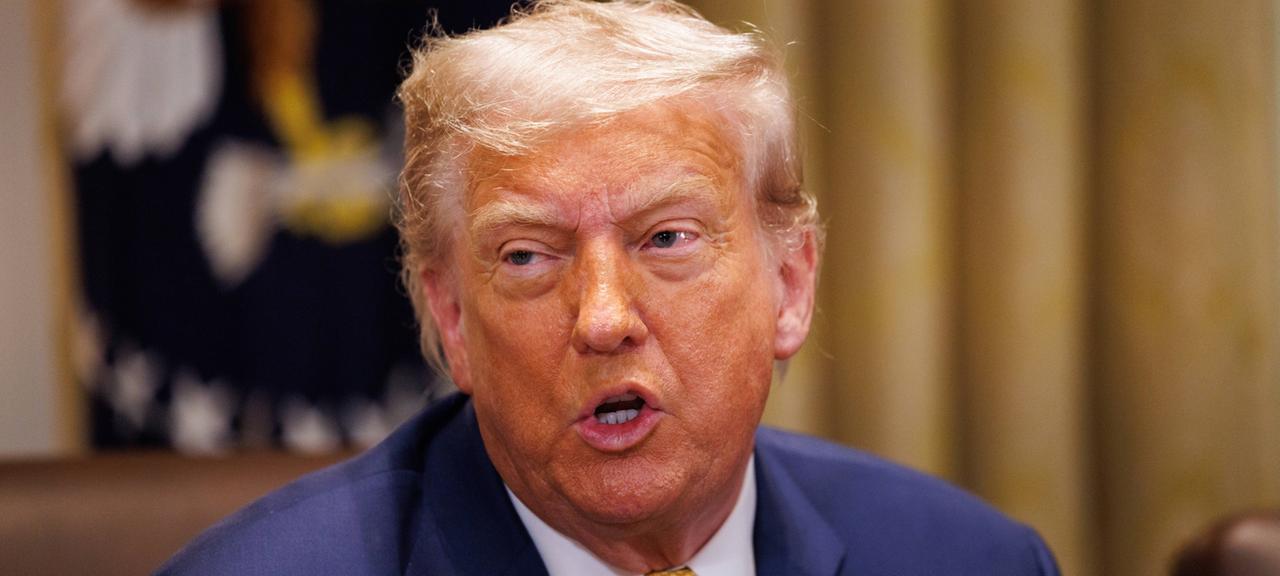
In a surprising development that has revived discussions about Greenland’s sovereignty, former President Donald Trump’s recent comments regarding the potential acquisition of the island have sparked a renewed fervor for independence among Greenlandic leaders. Trump’s suggestion to “seize” the territory echoes a controversial 2019 proposal to purchase Greenland, an idea met with widespread ridicule and outright rejection by both Greenlandic officials and the Danish government. As discussions of self-determination gain momentum in Greenland, the implications of Trump’s rhetoric raise critical questions about the future of the island and its relationship with both Denmark and the United States. This article explores how Trump’s words may be unintentionally fueling a longstanding desire for independence among many Greenlanders, illuminating a complex interplay of politics, identity, and international relations in the Arctic region.
Trump’s Controversial Comments Spark Renewed Momentum for Greenland’s Independence Movement
The recent remarks made by former President Donald Trump regarding the potential acquisition of Greenland have reignited discussions about the island’s political status and its aspirations for independence. Many Greenlandic leaders and activists have responded to Trump’s controversial assertions with calls for a renewed focus on self-determination. The comments have unexpectedly galvanized the independence movement, leading to a surge in public sentiment advocating for a break from Danish rule, which governs Greenland as an autonomous territory. Amidst this backdrop, several grassroots organizations are now rallying support, emphasizing the need for more significant autonomy and the right to self-governance.
Key players in the independence movement have outlined their vision for a future free from external control, which includes:**
- Enhanced control over natural resources
- Greater political representation on the global stage
- A focus on preserving Greenlandic culture and traditions
The impact of Trump’s words has led to a sharper discourse surrounding topics such as sovereignty and national identity among the Greenlandic populace. Activists are leveraging social media platforms to amplify their message, urging younger generations to engage in the independence dialogue actively. As the momentum builds, the implications of these discussions could redefine Greenland’s relationship with both Denmark and the world at large.
Implications for U.S.-Greenland Relations and Strategies for Sustainable Diplomatic Engagement
The fraught discussions surrounding Greenland’s sovereignty, recently propelled by high-profile rhetoric from U.S. officials, signal a critical juncture in U.S.-Greenland relations. As calls for independence resonate within Greenland’s political landscape, the prospect of an independent administration may influence U.S. strategic interests in the Arctic. Key factors shaping this evolving dynamic include:
- Resource Control: Greenland is home to vast natural resources, including rare earth minerals, which are increasingly pivotal for global technology supply chains.
- Geopolitical Strategy: The Arctic is a focal point for international competition, making Greenland’s strategic location invaluable for military and economic interests.
- Cultural Sovereignty: Greenland’s fight for independence is intertwined with its cultural identity, necessitating sensitive diplomatic engagement from the U.S.
In this shifting context, the United States must recalibrate its diplomatic approach to foster collaboration that respects Greenland’s autonomy. Sustainable engagement strategies could include:
- Joint Resource Management: Establish partnerships that ensure both U.S. interests and Greenland’s benefits are balanced and mutually advantageous.
- Support for Local Governance: Strengthening Greenland’s self-governance institutions can provide a framework for shared decision-making, thereby enhancing stability.
- Environmental Cooperation: Collaborating on climate change initiatives to protect Arctic ecosystems can serve as a foundation for deeper ties.
Ultimately, the U.S. must navigate its interests with a keen awareness of the evolving aspirations of Greenland’s population, ensuring that diplomatic efforts are both strategically sound and culturally sensitive.
Closing Remarks
In conclusion, former President Donald Trump’s provocative comments regarding the potential acquisition of Greenland have inadvertently reignited discussions surrounding the island’s autonomy and independence. As local leaders and advocates express concerns over foreign influence, the dialogue surrounding Greenland’s future remains complex and nuanced. The international community will be watching closely as these developments unfold, potentially shaping not only Greenland’s political landscape but also its relationship with both the United States and Denmark. As Greenlanders navigate these challenges, the implications of heightened independence sentiment continue to resonate, marking a significant chapter in the ongoing story of this Arctic territory.