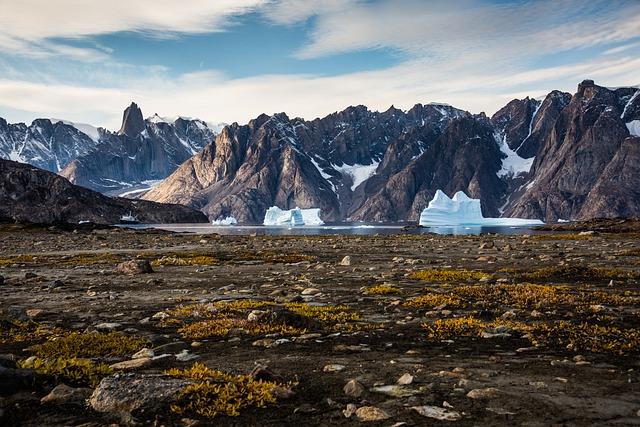
In a geopolitical landscape marked by contention and strategic maneuvering, the island nation of Greenland finds itself at the center of a dispute between two heavyweight powers: the United States and Denmark. As both countries vie for influence over the Arctic region, the voices and perspectives of the Greenlandic people appear to be sidelined once more. This situation raises critical questions about sovereignty, self-determination, and the implications of external interests overshadowing local needs. In this article, we delve into the dynamics of this ongoing conflict, exploring the historical context of Greenland’s colonial past and the pressing need for its inhabitants to be included in conversations that directly affect their future.
Denmark and the US Compete for Arctic Influence While Greenland’s Perspectives Are Overlooked
The strategic focus of the United States and Denmark in the Arctic has escalated, resulting in a fierce competition for influence in a region that holds significant geopolitical and economic potential. This rivalry has intensified since both nations are keen on expanding their territorial claims and securing the rich natural resources believed to be buried beneath the Arctic ice. As discussions and negotiations tighten around military presence and trade routes, alarmingly absent from this dialogue are the voices of those who inhabit the region-specifically the people of Greenland. The local communities are often portrayed merely as passive stakeholders in these high-stakes negotiations rather than active participants whose perspectives and needs deserve to be prioritized.
Greenland, with its unique cultural heritage and sovereign aspirations, is often relegated to the background amid the ambitions of external powers. This dynamic raises significant concerns regarding the autonomy and rights of Greenlandic residents, who are facing increasing pressures from both foreign governments. The exclusion of Greenlanders from discussions about their own land is compounded by historical patterns of colonialism and exploitation. Consider the following factors that highlight the disparity in representation:
| Factor | Impact on Greenland |
|---|---|
| Politically Marginalized | Neglect of local governance and self-determination |
| Resource Exploitation | Little benefit to local communities |
| Environmental Concerns | Risk of ecological damage unnoticed by foreign powers |
With decisive matters at stake, including climate change repercussions, rights to natural resources, and the socio-economic futures of indigenous populations, it becomes increasingly critical for international stakeholders to recognize and amplify Greenland’s voice. As the competition for Arctic dominance unfolds, it is imperative that policymakers prioritize genuine dialogue with Greenlanders, ensuring they are not merely witnesses to the unfolding drama but key players in shaping their own destinies.
Empowering Greenlandic Voices: A Call for Inclusive Dialogue in Arctic Governance
The ongoing geopolitical tussle between the United States and Denmark over Greenland’s future has once again sidelined the very voices of the people most affected: the Greenlanders themselves. As global attention shifts towards Arctic governance, the local populace struggles for representation in decisions that impact their land, resources, and cultural identity. Historical patterns reveal a troubling trend of marginalization where external powers dictate terms, often neglecting the perspectives and aspirations of indigenous communities. The need for a holistic approach that prioritizes local input and involvement in dialogue is more critical than ever.
To foster more inclusive governance, several key steps must be taken to ensure that Greenlandic voices resonate in decision-making forums:
- Establishing Transparent Processes: Initiatives should prioritize open communication channels between Greenlandic representatives and international stakeholders.
- Incorporating Indigenous Knowledge: Decision-making frameworks must acknowledge and integrate traditional ecological knowledge and cultural practices.
- Creating Collaborative Platforms: Forums should be built for meaningful engagement, allowing Greenlanders to voice their concerns and aspirations directly.
- Strengthening Local Institutions: Empowering Greenlandic governance structures can foster self-determination and ensure local viewpoints are duly considered.
In Summary
In conclusion, the ongoing tensions between the United States and Denmark over Greenland’s strategic role in global geopolitics continue to overshadow the voices of the very people who inhabit the island. As discussions of military presence and resource management dominate the narrative, the indigenous populations and local stakeholders are increasingly sidelined. This exclusion raises critical questions about representation and consent in matters that directly affect the lives and futures of Greenland’s residents. As international interests collide, it is imperative that the perspectives of Greenlanders are not only recognized but integrated into the decision-making process. The fate of Greenland should not be dictated solely by external powers; rather, it must reflect the hopes and aspirations of its own people. Without these voices at the table, the path forward risks ignoring the complexities of sovereignty, identity, and the urgent call for self-determination on this rapidly changing frontier.