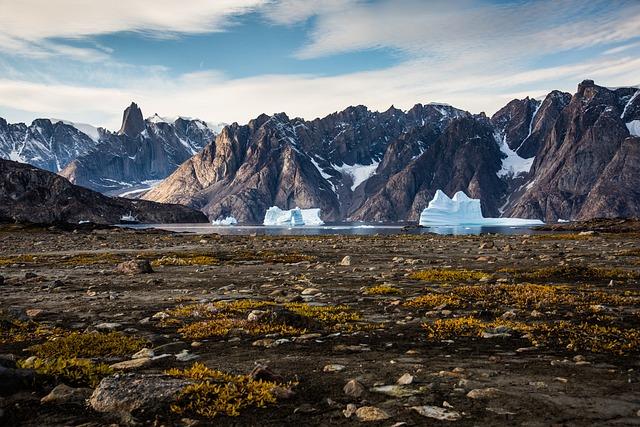
Introduction:
In recent years, the geopolitical significance of Greenland has surged, drawing the attention of nations and investors alike, particularly in light of its vast mineral resources and strategic location. As the world increasingly turns its gaze northward, the historical context of U.S. territorial purchases in this region becomes increasingly relevant. Exploring the ties between Greenland and the United States unveils a complex narrative of exploration, economic ambitions, and environmental concerns. This article delves into the implications of these territorial purchases, examining their impact on global mining interests, indigenous rights, and the broader dynamics of Arctic sovereignty. As the Arctic continues to unlock its potential, the stakes are high for both Greenland and the United States, setting the stage for a new chapter in the history of Northern resource development.
Greenland’s Strategic Resources and the U.S. Pursuit of Territorial Acquisitions
As global interest in Greenland’s rich natural resources intensifies, the strategic implications of these assets have started to dominate geopolitical discussions. Greenland is home to vast deposits of minerals essential for modern technology, including rare earth elements, gold, zinc, and uranium. The U.S. has taken a keen interest in these resources, particularly as the race for mineral reliability deepens amidst concerns over supply chains and reliance on foreign powers. Recent activities have included exploration licenses granted to multinational mining companies and discussions surrounding potential partnerships that could secure access to these resources for American industries.
The pursuit of territorial acquisitions extends beyond mere economic interests; it reflects a broader strategy aimed at enhancing national security and foothold in the Arctic region. Notable factors driving this pursuit include:
- Geopolitical tensions with China and Russia, both of whom are expanding their presence in the Arctic.
- The impacts of climate change, which are opening new shipping routes and accessibility to mining areas.
- A growing investment in sustainable technologies, which rely on minerals sourced from Greenland.
In this dynamic landscape, the U.S. must navigate complex local sentiments and historical contexts, as well as the implications for Greenland’s autonomy and self-determination.
| Resource | Estimated Reserves | Primary Uses |
|---|---|---|
| Rare Earth Elements | 1.5 million tons | Batteries, Electronics |
| Gold | 6 million ounces | Jewelry, Investment |
| Zinc | 75 million tons | Construction, Galvanization |
| Uranium | 650 million pounds | Nuclear Energy |
Evaluating Economic Impacts and Diplomatic Considerations for Future Partnerships
The growing interest in Greenland’s natural resources has prompted a reevaluation of economic and diplomatic strategies between the U.S. and potential partners. As the U.S. considers the acquisition of Greenland, it is vital to assess the economic impacts of such a partnership, particularly in mining and resource extraction. Greenland is rich in minerals, including rare earth elements crucial for modern technologies. The economic benefits could be substantial, including:
- Job Creation: Increased mining activities could lead to local job growth and training opportunities.
- Investment in Infrastructure: Enhanced transport and energy infrastructure to support mining operations can boost the local economy.
- Exports and Trade Relations: Strengthened trade ties in the context of the U.S. gaining access to vital resources.
However, these economic benefits must be carefully weighed against potential diplomatic repercussions. Greenland’s strategic location in the Arctic is of significant interest to global powers, increasing the stakes for both the U.S. and local stakeholders. Diplomatic considerations may include:
- Indigenous Rights: Respect for Greenlandic sovereignty and the rights of indigenous populations must be prioritized in negotiations.
- International Relations: How such an acquisition could alter existing relations with countries like China and Russia, who are also eyeing the Arctic region.
- Environmental Impact: Collaboration on sustainable practices which can mitigate the risks of climate change while maximizing resource extraction.
| Considerations | Impact |
|---|---|
| Economic Growth | Potential for significant GDP increase through resource extraction. |
| Job Opportunities | Creation of numerous jobs across multiple sectors. |
| Environmental Sustainability | Need for stringent regulations to protect Greenland’s ecosystem. |
Insights and Conclusions
As the Arctic landscape continues to change, both geographically and geopolitically, the historical context of U.S. territorial purchases in Greenland serves as a backdrop for ongoing discussions about resource management and sovereignty in this remote region. With mining interests and environmental stewardship at the forefront, stakeholders must navigate complex relationships between Indigenous rights, economic ventures, and international diplomacy. As we move forward, the implications of these dynamics will be critical not just for Greenland but for global strategies surrounding climate change and resource extraction. The ongoing dialogue surrounding Greenland’s future remains an essential component of understanding the intersection between history, geography, and modern-day geopolitics. North of 60 Mining News will continue to report on these developments as they unfold, shedding light on the opportunities and challenges that lie ahead.