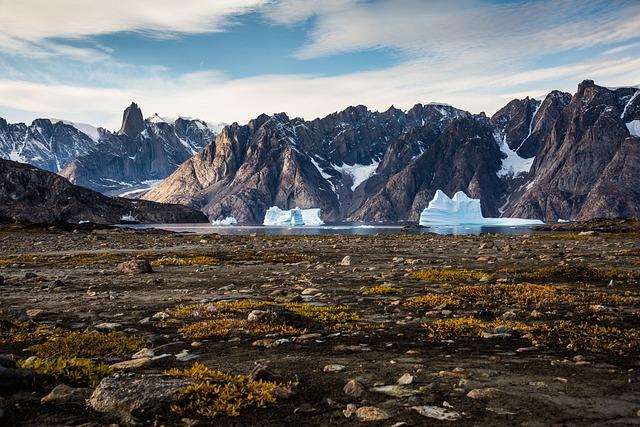
In a development that could reshape U.S. military strategy in the Arctic, a little-known Cold War-era agreement provides the groundwork for expanding American military presence in Greenland. This possibility has gained renewed attention amid ongoing geopolitical tensions and the region’s strategic significance. As the U.S. government seeks to bolster its defense capabilities in the face of an assertive Russia and increasing competition for Arctic resources, insights into this historical accord reveal potential pathways for enhancing military infrastructure and operations on the island. In this article, we explore the implications of this unexpected leverage and what it could mean for both U.S. security interests and the broader geopolitical landscape.
Trump’s Opportunity to Leverage Cold War Agreements for Military Expansion in Greenland
The strategic location of Greenland has always been a focal point in international defense discussions, especially in the context of U.S.-Russia relations during the Cold War. A little-known agreement, established during this tense period, allows for the expansion of military facilities in Greenland without the extensive bureaucratic processes typically associated with establishing new bases. This opens a pathway for the Trump administration to enhance military readiness in the Arctic region, responding to increasing geopolitical tensions and competition over resources. With climate change rapidly altering the landscape, the arctic environment is becoming a hot spot for potential confrontations, making the enhancement of military assets in Greenland not just viable, but necessary.
Utilizing this Cold War-era agreement could provide multiple benefits for the U.S. military, including:
- Increased surveillance capabilities: Expanding the presence in Greenland allows for improved monitoring of Russian and Chinese activities in the Arctic.
- Logistical advantage: Proximity to the North Atlantic and polar routes would facilitate quicker deployments during crises.
- Research and innovation: Enhanced military bases could double as research stations to study climate impact and resource exploration.
Implementation of this agreement would require careful planning and coordination with Denmark, the governing authority of Greenland, to balance local interests with U.S. strategic goals. A collaborative approach could lead to economic benefits for Greenland through job creation and infrastructure investments, while also reinforcing U.S. commitment to NATO allies in the region.
Strategic Implications and Recommendations for Strengthening U.S. Presence in Arctic Defense
The geopolitical landscape of the Arctic is rapidly evolving, necessitating a robust U.S. military presence to counteract expanding Russian and Chinese interests in the region. Utilizing the provisions of the little-known Cold War-era agreement regarding Greenland, the U.S. has a unique opportunity to enhance its defense capabilities without grappling with extensive diplomatic negotiations. This agreement could facilitate infrastructure improvements, expand military bases, and enhance surveillance capabilities. To capitalize on these advantages, the U.S. should prioritize investments in:
- Upgrading military facilities: Modernize existing bases to accommodate new technology and increase operational readiness.
- Joint exercises with allies: Foster closer collaborations with NATO partners to ensure a unified response to Arctic threats.
- Enhanced surveillance systems: Deploy advanced radar and satellite systems to monitor changes in the region effectively.
Moreover, a comprehensive Arctic strategy should include establishing diplomatic channels to engage with Arctic nations and indigenous groups. Building cooperative programs can facilitate environmental stewardship and promote shared security interests, particularly in the face of climate change challenges. A concerted effort to:
- Launch research initiatives: Invest in scientific studies that address both environmental changes and security implications.
- Support local communities: Engage with indigenous peoples to integrate their knowledge of the land, fostering better resource management and security collaboration.
- Promote sustainable development: Encourage practices that align economic growth with environmental conservation, thereby reinforcing the legitimacy of U.S. presence in the region.
| Focus Area | Action Steps |
|---|---|
| Infrastructure | Modernize bases and facilities |
| Surveillance | Deploy advanced systems |
| Diplomacy | Engage Arctic nations |
Final Thoughts
In conclusion, the potential expansion of U.S. military presence in Greenland, enabled by a little-known Cold War-era agreement, underscores the strategic significance of the Arctic region in contemporary geopolitics. As global tensions mount and competition for resources intensifies, the implications of such an expansion reach far beyond Danish-American relations. With a renewed focus on military readiness and national security, any moves by the Trump administration will be closely scrutinized by both allies and adversaries alike. As this story develops, it will undoubtedly shape discussions around military policy and international diplomacy in the Arctic and beyond. As the world watches, the decisions made in Washington will resonate for years to come, impacting not only military strategy but also the delicate balance of power in one of the world’s most vulnerable regions.