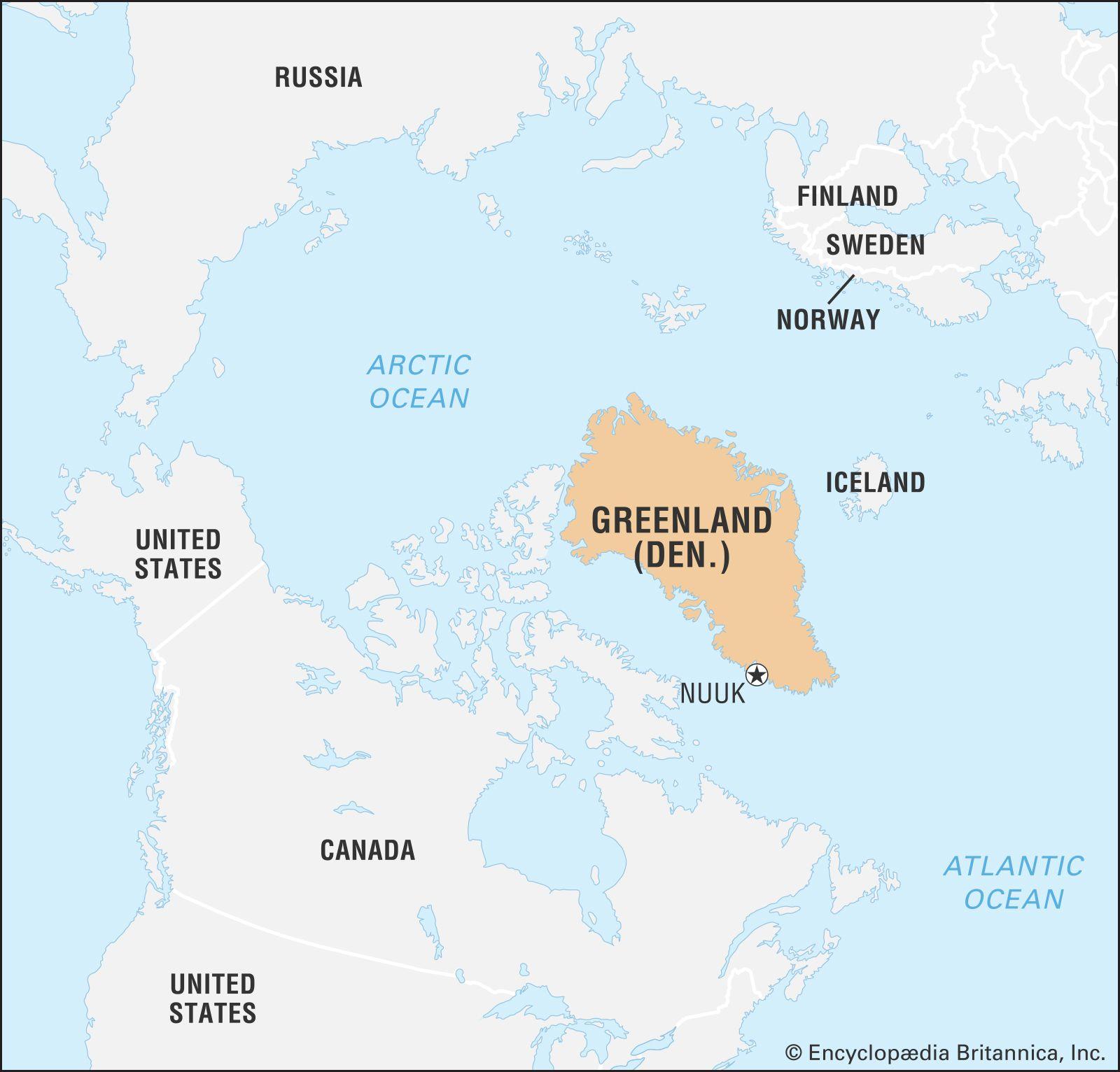
In the realm of international real estate, few transactions have sparked as much intrigue and controversy as the potential acquisition of Greenland by the United States. While the idea may have initially been dismissed as a whimsical notion floated during former President Donald Trump’s administration, recent geopolitical shifts and climate concerns have revived discussions about the strategic value of this vast Arctic territory. As global powers vie for control of crucial resources and geopolitical influence, the question arises: should America embrace the opportunity to buy Greenland? This article explores the multifaceted implications of such a purchase, weighing the economic, environmental, and diplomatic stakes involved, and argues that America must not shy away from exploring this potential acquisition for the sake of its national interests.
Assessing the Strategic Value of Greenland: Economic Opportunities and National Security Implications
Greenland has long been viewed through the lens of its vast natural resources, which present significant economic opportunities for potential investors. The island is rich in minerals such as rare earth elements, zinc, and gold, which are increasingly in demand due to global technology and renewable energy initiatives. Moreover, Greenland’s vast sub-glacial landscape potentially holds oil and gas reserves, making it a strategic point for energy security, especially for a nation like the United States, which seeks to diversify its energy sources and reduce dependence on foreign imports. The geopolitical climate, coupled with advancements in extraction technologies, makes Greenland an alluring prospect for economic development that could benefit the American economy while solidifying its position on the world stage.
Beyond mere economics, Greenland’s location is pivotal in the context of national security. As Arctic navigation routes become more accessible due to climate change, control over these pathways will be critical. Greenland could serve as a strategic post for monitoring Russian military movements and safeguarding U.S. interests in the region. The establishment of facilities and bases can enhance intelligence-gathering capabilities and provide a rapid response to emerging threats. The implications of American investment will not only bolster defense strategies but also strengthen alliances with other Arctic nations. The need for a robust military presence in zone is underscored by the changing dynamics of global power, making any potential American acquisition of Greenland an investment in long-term national security.
Navigating the Path to Acquisition: Legal Considerations and Diplomatic Engagements for a Successful Deal
In the pursuit of acquiring Greenland, it is essential to grasp the intricate legal frameworks that govern territorial transactions. International law stipulates that the transfer of sovereignty over a territory is fraught with regulations that dictate not only the procedure but also the implications for all parties involved. To successfully navigate this complex landscape, it is vital to consider the following:
- Historical Treaties: Previous agreements between Denmark and the United States must be thoroughly reviewed to assess any existing legal constraints or precedents.
- Geopolitical Ramifications: Potential reactions from other nations, especially those with interests in the Arctic region, must be factored into the negotiation strategy.
- Domestic Legislation: U.S. laws regarding foreign acquisitions and treaties will shape the pathways available for a successful transaction.
Moreover, diplomatic engagement plays a crucial role in ensuring that such a high-stakes deal is perceived positively both domestically and internationally. Building a coalition of support among allied nations can enhance the legitimacy of the purchase, while also mitigating resistance from Denmark. Key tactics may include:
- Cultural Exchanges: Fostering relationships through cultural and educational programs can soften diplomatic anxieties.
- Strategic Alliances: Forming partnerships with Greenlandic leaders and businesses to facilitate discussions about mutual benefits.
- Public Relations Campaigns: Positive narratives around the acquisition can shape public sentiment and garner support from stakeholders on all sides.
Future Outlook
In conclusion, the conversation surrounding the purchase of Greenland underscores the complex interplay of geopolitics, economic opportunity, and the changing dynamics of international relations. As global warming opens new avenues for trade and resource extraction in the Arctic, the strategic significance of this vast territory cannot be understated. Rather than viewing the idea of purchasing Greenland as merely a whimsical ambition, America should approach it as a serious and calculated opportunity to bolster its influence in the region. With careful diplomatic engagement and a commitment to sustainable partnerships, a potential acquisition could not only enhance U.S. security but also foster economic development and cooperation with the Greenlandic people. As history has shown, proactive measures in foreign relations often yield greater stability and prosperity, and the potential acquisition of Greenland may be one such opportunity that America should embrace, not eschew.