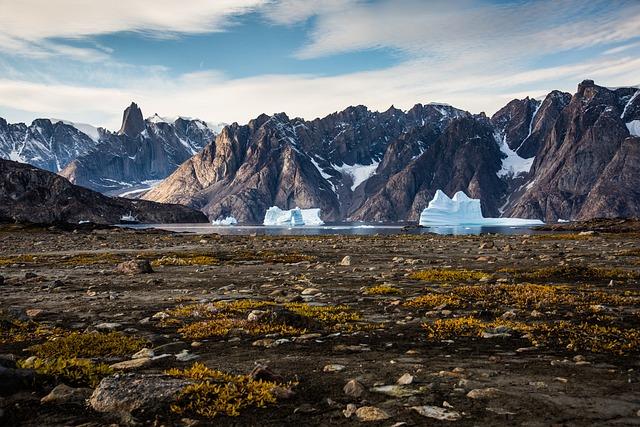
In a recent discussion surrounding national security and geopolitical strategies, former President Donald Trump has reignited interest in Greenland, suggesting that the United States “needs” the island as a critical asset for Arctic security. The strategic location of Greenland, coupled with its vast natural resources and proximity to Russia and Canada, has made it a focal point in discussions about territorial sovereignty and military positioning in the Arctic region. As polar ice melts and access to shipping routes and mineral deposits increases, the U.S. has begun to reassess its interests and capabilities in this vital area. This article delves into the reasons behind Trump’s assertions, examining the implications for U.S. foreign policy and the geopolitical landscape in the Arctic.
Trump’s Arctic Strategy: Analyzing the Geopolitical Implications of Greenland’s Strategic Position
The strategic allure of Greenland, a vast and resource-rich landmass, has been a subject of intense debate, particularly in the context of U.S. national security and Arctic sovereignty. As climate change reconfigures traditional shipping routes and unveils untapped natural resources, Greenland’s pivotal geographical position has garnered significant attention. The potential for enhanced military presence in the North, along with concerns over Russian and Chinese ambitions in the Arctic, has led to a compelling narrative: with the U.S. strengthening its Arctic footprint, Greenland becomes not just a territory, but a critical linchpin in asserting influence over regional geopolitics.
From an economic perspective, the Arctic holds vast reserves of oil, natural gas, and minerals, making Greenland essential for energy security. Moreover, the changing landscape is fostering new shipping lanes, which could revolutionize trade routes between Europe, North America, and Asia. The U.S. strategy in Greenland might need to focus on several key areas, including:
- Military Readiness: Establishing bases to enhance surveillance and defense capabilities.
- Resource Development: Investing in infrastructure for sustainable extraction of minerals.
- International Collaboration: Engaging with Nordic allies to promote peace and stability in the Arctic region.
Enhancing National Security: Recommendations for Policy Makers on Arctic Resource Management and Diplomacy
As nations vie for dominance in the Arctic, the United States must strategically bolster its presence in the region to enhance national security. Policy makers should focus on establishing clear guidelines for the sustainable management of Arctic resources, ensuring that ecological preservation and economic development go hand in hand. This involves creating frameworks that promote international cooperation while also reinforcing U.S. sovereignty over contested territories. Key actions may include:
- Developing comprehensive resource assessments to understand the potential of Arctic minerals, oil, and gas reserves.
- Strengthening partnerships with Nordic nations and Canada to create a united front against adversarial claims.
- Investing in infrastructure, such as ports and communication networks, to support coast guard operations and scientific research.
Diplomatic efforts in the Arctic should prioritize collaborative initiatives that mitigate rising tensions. Engaging in dialogue through multilateral platforms such as the Arctic Council can foster the exchange of best practices and reinforce commitments to environmental stewardship. Considering the growing competition from countries like Russia and China, the U.S. must demonstrate its readiness to protect its interests through strategic investments and enhanced military readiness. Recommendations for effective diplomacy include:
- Promoting treaties that involve stakeholders in eco-sensitive practices.
- Encouraging open forums for dialogue to address disputes over territorial claims.
- Prioritizing research on climate change effects, showcasing U.S. leadership in global climate stewardship.
In Retrospect
In conclusion, President Trump’s assertion that the U.S. “needs” Greenland for Arctic security underscores a growing emphasis on the strategic significance of the region amid geopolitical tensions and climate change. As the Arctic becomes increasingly navigable and rich in resources, the dynamics of international relations in this area are poised to shift dramatically. Whether through diplomatic engagement or broader national security initiatives, the question of Greenland’s role in U.S. policy is likely to remain at the forefront of discussions on Arctic strategy. The implications of these developments will reverberate not just in the corridors of power, but also among the communities and nations directly impacted by the changing landscape. As we move forward, the dialogue surrounding Arctic security will be crucial in determining how the U.S. positions itself in this vital and evolving theater.