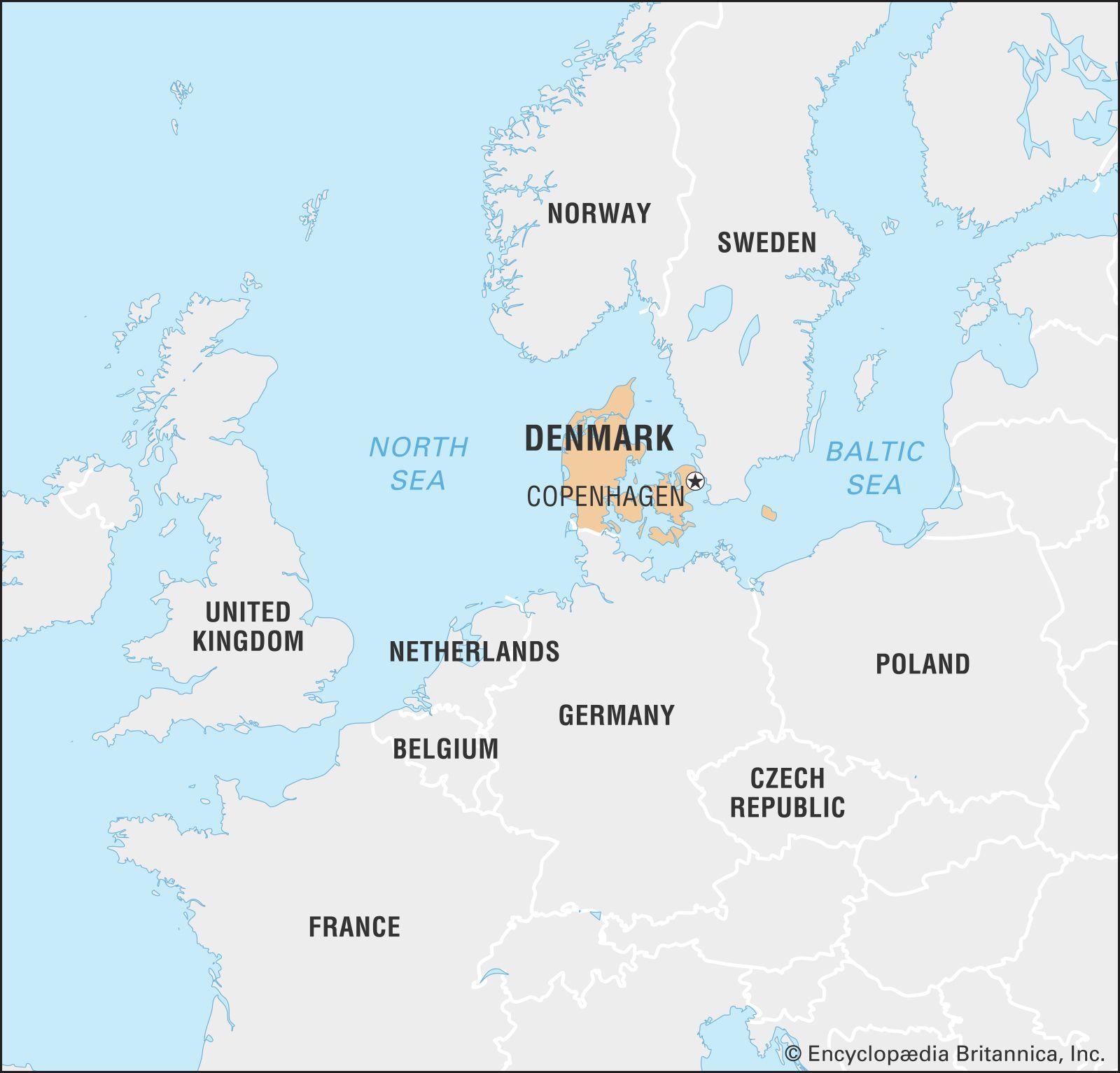
Denmark, Greenland, and Iceland’s Reactions to Trump: A Diplomatic Landscape Shaped by Controversy
In the realm of international relations, few figures have stirred as much debate and discourse as former U.S. President Donald Trump. His unpredictable foreign policy approach, highlighted by controversial remarks and unexpected proposals, has reverberated across the globe, prompting varied reactions from nations traditionally aligned with the United States. Among these, Denmark, Greenland, and Iceland-countries situated in the strategically significant Arctic region-have navigated the complexities of their diplomatic ties with the U.S. against the backdrop of Trump’s tenure. This article explores the nuanced responses from these nations, examining how Trump’s policies and statements have influenced their political landscapes, public opinion, and diplomatic strategies in an era marked by increasing global uncertainty. As these Scandinavian partners grapple with their roles in a changing political climate, the implications of their reactions extend beyond mere rhetoric, potentially shaping the future of cooperation in the High North.
Denmark’s Diplomatic Responses and Greenland’s Autonomy Aspirations Amid Trump’s Controversial Comments
Denmark has adopted a measured tone in its diplomatic responses to President Trump’s controversial remarks regarding the potential purchase of Greenland. Following the U.S. leader’s comments, which many interpreted as dismissive of Denmark’s historical ties to the autonomous territory, Danish officials reiterated their commitment to maintaining a positive relationship with the United States while emphasizing the independence and self-determination of Greenland. In a press conference, Foreign Minister Jeppe Kofod stated, “Greenland is not for sale,” underscoring that any discussions regarding the future of Greenland should prioritize the aspirations of its inhabitants.
Meanwhile, the response from Greenland’s government highlights a strong push toward greater autonomy amid external pressures. Local leaders articulated a desire for enhanced self-governance, particularly in matters affecting their economic and social landscape. Recently, Greenland’s Prime Minister, Múte Bourup Egede, expressed that, “Our future is in our hands,” signaling a shift away from dependency models. The ongoing conversation around autonomy and development has become increasingly pertinent, especially in light of Trump’s remarks, prompting discussions that could shape Greenland’s trajectory in the years to come:
| Key Concerns | Responses |
|---|---|
| U.S. Interest in Greenland | Diplomatic reassurances emphasize respect for autonomy |
| Autonomy Aspirations | Call for greater self-determination and resources |
| Local Governance | Increasing voices advocating for independence |
Iceland’s Strategic Positioning and the Arctic’s Geopolitical Landscape in the Wake of Trump’s Statements
Iceland’s strategic relevance has grown significantly in light of heightened geopolitical dynamics in the Arctic region, especially following recent provocative statements from former U.S. President Donald Trump regarding Greenland. The juxtaposition of military interests, natural resources, and climate change underscores the significance of Iceland as both a logistical hub and a diplomatic player. Experts highlight that Iceland, given its geographical location, is ideally positioned to act as a mediator and facilitator between Arctic nations. Key points include:
- Geopolitical Hub: Iceland serves as a critical point for NATO operations and has historically been involved in Arctic security dialogues.
- Environmental Stewardship: As climate change rapidly alters Arctic landscapes, Iceland’s commitment to environmental issues places it at the forefront of discussions on sustainable practices.
- Resource Exploration: The potential for untapped resources in the Arctic raises questions about international law and territorial claims, with Iceland playing a significant role in regional discussions.
Reactions from both Greenland and Denmark have echoed concerns about territorial integrity and the intentions behind such statements from Trump. The Danish Prime Minister emphasized the importance of Greenland’s autonomy, referring to the territory as an invaluable part of the Kingdom of Denmark rather than a mere asset for international interests. Observers note that the regional tensions could push Iceland to leverage its position to foster cooperation among Arctic stakeholders and encourage diplomatic engagement over confrontational postures. A summary of regional responses includes:
| Country | Response |
|---|---|
| Denmark | Reaffirmed sovereignty over Greenland; emphasized collaboration. |
| Greenland | Stressed local autonomy; condemned external claims. |
| Iceland | Called for diplomatic solutions; offered support for regional stability. |
Key Takeaways
In conclusion, the reactions of Denmark, Greenland, and Iceland to former President Trump’s provocative comments and policies reflect a complex blend of historical ties and contemporary geopolitical concerns. As these nations navigate their own national interests amid shifting global dynamics, the ramifications of U.S. foreign policy continue to shape their diplomatic strategies. From Denmark’s emphasis on maintaining a united front within the Arctic Council to Greenland’s careful balancing act as it seeks greater autonomy and international recognition, the responses underscore the importance of collaboration among Arctic nations. Meanwhile, Iceland’s commitment to uphold partnerships within the North Atlantic context highlights a shared vision for stability and cooperation in a region that faces both challenges and opportunities. As the international community watches closely, it remains clear that the interplay between U.S. leadership and Arctic ambitions will significantly influence the future of these crucial partnerships in the High North.